


Vegetovascular dystonia
Vegetative-vascular dystonia is not a precise stand-alone diagnosis but an old umbrella term that often hides autonomic dysregulation, anxiety, blood-pressure and pulse instability, breathing complaints and many symptoms that need a more specific explanation.


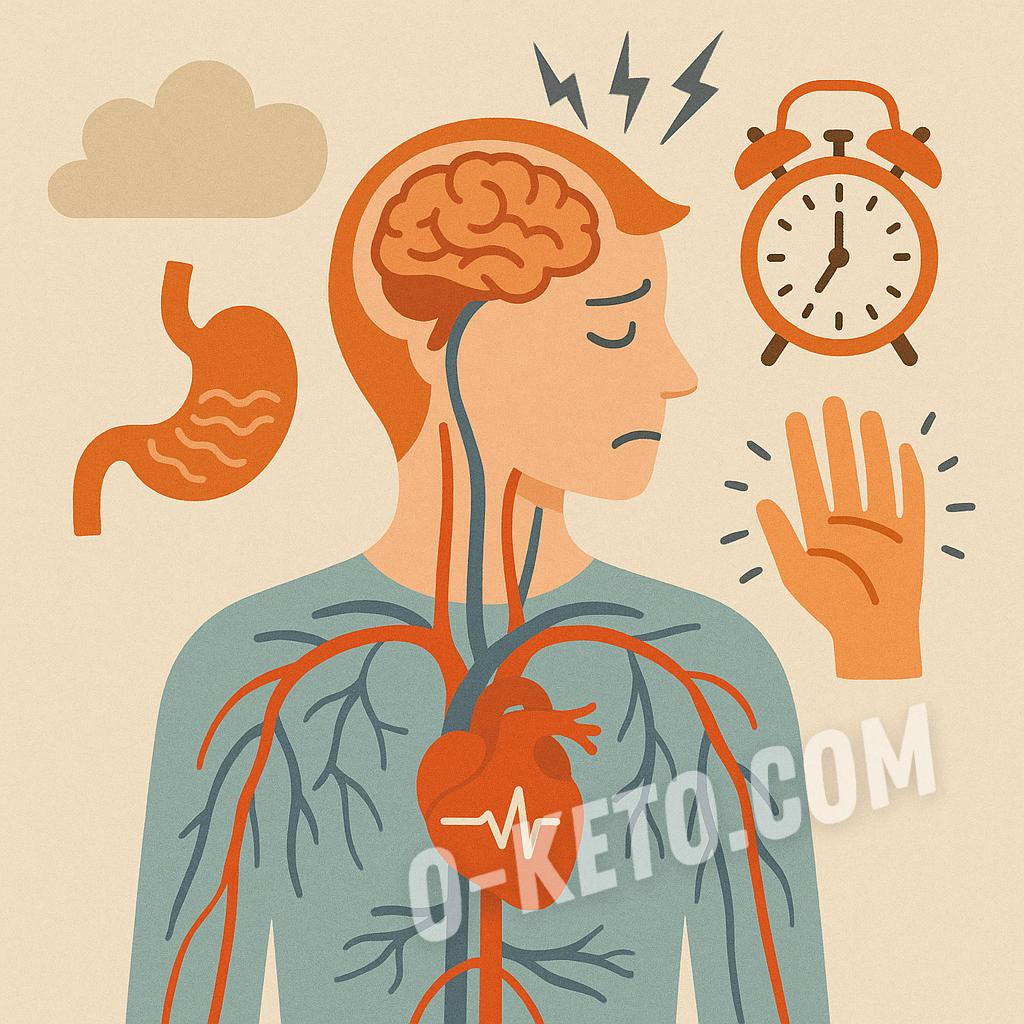
Vegetative-vascular dystonia, often abbreviated as VVD, is a term historically used as a convenient label for very different complaints: palpitations, blood-pressure swings, anxiety, dizziness, air hunger, weakness and poor stress tolerance. The problem is that it is not a precise modern diagnosis with one mechanism and one cause. Under this label there may be anxiety disorders, panic episodes, orthostatic intolerance, autonomic dysfunction, post-viral states, depletion, nutritional deficiency and other explanations. In practical terms, the value of the term today is mostly to remind us not to stop there, but to look for a more specific mechanism behind the symptoms.
Why the term is considered imprecise
VVD was often used when a person had real distress but no obvious structural disease could be found quickly. On one hand, that at least acknowledged that the symptoms were not imaginary. On the other hand, it often ended the discussion without truly explaining anything. It is now more useful to distinguish whether anxiety, orthostatic problems, tachycardia, sleep disruption, hyperventilation, deficiencies, endocrine issues or post-infectious changes are present. Once the components are separated, the syndrome becomes less mysterious and much more manageable.
That is why the phrase “it’s just VVD” is often too vague to help someone who genuinely wants to understand what is happening.
How it commonly presents
People often report palpitations, internal trembling, dizziness, weakness, shortness of breath, sweating, cold hands and feet, anxiety, headache and poor tolerance of heat, stuffy rooms or emotional stress. In some individuals symptoms arrive in attacks, while in others there is a more chronic unstable background. Sometimes the pattern appears after infection, prolonged stress, sleep loss, exhaustion or fear of the symptoms themselves. That is why the list of complaints matters less than the pattern: when they happen, what triggers them and how they relate to posture, meals, sleep and emotions.
Detailing the pattern is exactly what turns a vague label into a clearer clinical map.
What may really stand behind it
Possible contributors include anxiety disorders, panic attacks, orthostatic hypotension, postural tachycardia syndromes, iron deficiency, thyroid problems, post-viral changes, dehydration, sleep disorders, hyperventilation, chronic stress and general depletion. Sometimes several of these factors overlap, which is why the picture becomes confusing. This is another reason not to be satisfied with the old word “dystonia,” but to review blood pressure, pulse, ferritin, TSH, sleep, nutrition and nervous-system load in real life.
The goal is not to prove a dramatic disease, but to identify the mechanisms that are actually driving the symptoms.
Nutrition, routine and autonomic stability
In some people symptoms worsen with under-eating, large glucose swings, dehydration, too much caffeine, alcohol and a chaotic daily routine. Low-carb patterns may help some by smoothing glucose and reducing overeating, but in others overly strict carbohydrate, salt or calorie restriction can make things worse, especially when the person is already exhausted. Food and fluid strategy matter here not as a trend, but as part of autonomic resilience. The nervous system does not tolerate chronic sleep loss, low intake, poor hydration and persistent threat very well.
The practical point is not to search for one “VVD pill,” but to see how the body responds to the basic conditions of life.
When closer review is needed
Closer review is needed with persistent tachycardia, fainting, strong blood-pressure swings, worsening on standing, chest pain, marked anxiety, weight loss, suspected deficiency or endocrine causes. The most sensible way to think about vegetative-vascular dystonia is not as a final diagnosis, but as a cue to decode symptoms more precisely in terms of autonomic, metabolic and psychophysiological regulation.
Common mistakes around VVD
A common mistake is either to dismiss the symptoms as “just nerves” or to mystify them without proper analysis. The term VVD is useful only for as long as it pushes the discussion toward a more precise physiology of the complaints. Once it replaces real explanation, it starts to hinder more than help.
If you have any questions about the term "Vegetovascular dystonia", you can ask them to AI. Please note, a low-cost OpenAI model is used. It may answer questions about disease treatment with errors!


 1 / 4
1 / 4
 1 / 4
1 / 4
 1 / 4
1 / 4

 1 / 4
1 / 4