


High-protein ketogenic diet
A low-carbohydrate pattern with more protein than classic therapeutic keto; useful for some goals but dependent on energy intake, fat balance, kidney context, training, and satiety.


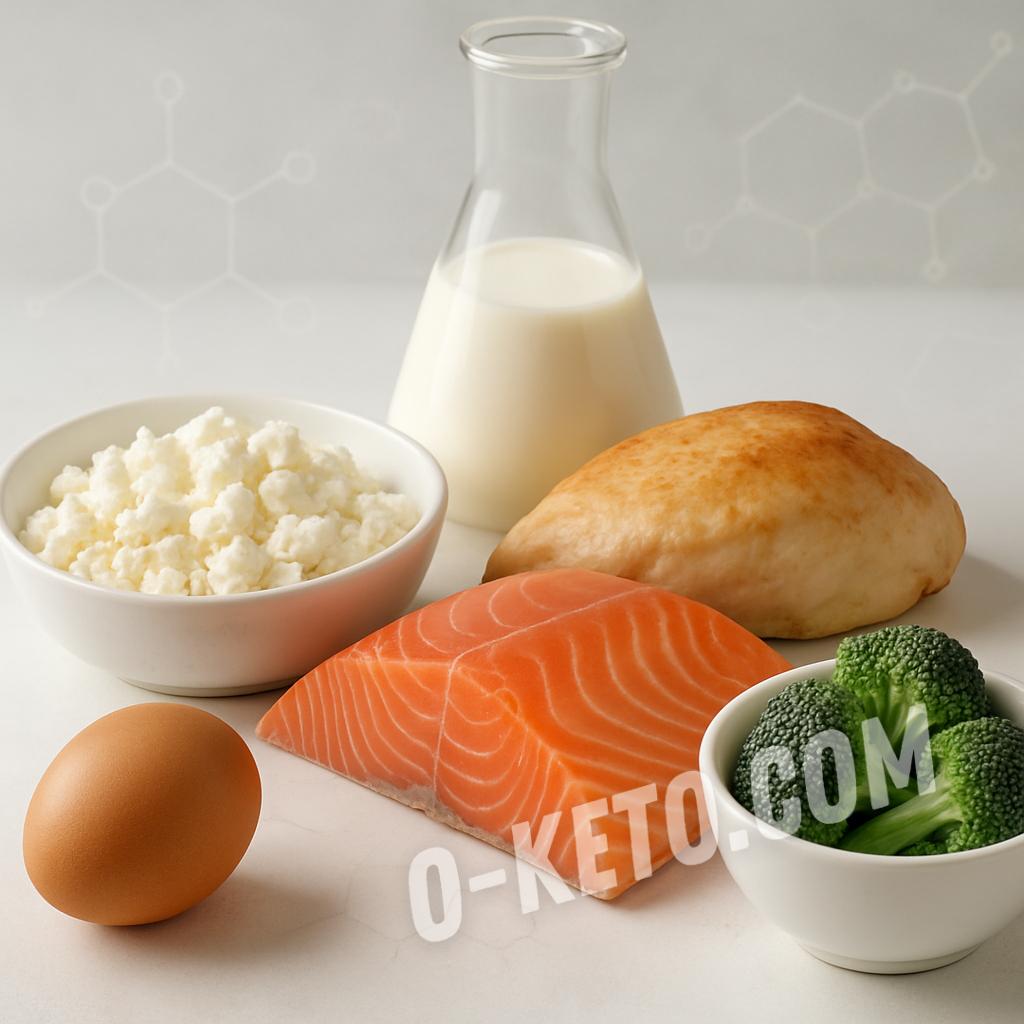
A high-protein ketogenic diet is a low-carbohydrate eating pattern in which carbohydrate remains low while protein is higher than in a classic therapeutic ketogenic diet. This approach is usually not used for neurological keto protocols but for weight loss, muscle preservation, strength training, sarcopenia risk in older adults, and recovery after aggressive dieting. It should not be confused with a fat-free protein diet. To remain ketogenic or clearly low-carbohydrate, carbohydrate intake is controlled, protein is distributed across meals, and fat remains sufficient for energy, hormones, bile flow, taste, and tolerability.
How it differs from classic keto
A classic therapeutic ketogenic diet may be very high in fat and moderate in protein because its goal is stable high ketone production, for example in medical epilepsy protocols. The high-protein version is usually lower in fat and higher in protein. It may produce lower blood ketone readings but better support satiety, lean mass, and the thermic effect of food. For an ordinary person losing weight or training, the highest possible ketone number is not always the main goal. Sustainability, strength, lack of hunger attacks, nutrient density, and body composition often matter more.
Protein should not be feared simply because some amino acids can be used for gluconeogenesis. This process is regulated by the body’s needs; each piece of meat does not automatically turn into sugar. Problems begin when protein displaces fat and vegetables so much that the diet becomes dry, repetitive, very low in energy, and hard to tolerate. The opposite mistake is eating too little protein for the sake of attractive ketone readings, losing muscle, worsening recovery, and increasing food cravings.
How much protein is high
The practical range depends on body weight, body fat, age, activity, goals, and disease context. For many adults, about 1.2–1.6 g of protein per kilogram of target or healthy body weight is more useful than the minimum 0.8 g/kg, especially during weight loss. With resistance training, older age, recovery from illness, or high physical activity, needs may be higher. Numbers still need context. Someone with advanced chronic kidney disease, active nephropathy, or specific medical restrictions may need a different range from a clinician.
Protein is usually better distributed through the day rather than saved for one late dinner. Each main meal should contain a clear source: meat, fish, poultry, eggs, seafood, cottage cheese, cheese, unsweetened Greek yogurt, or a quality protein powder when needed. If a large portion causes heaviness, meals can temporarily be split into smaller servings. For older adults and people recovering from prolonged energy deficit, the amount per meal matters as well as the daily total, because muscle protein synthesis needs a sufficient stimulus.
Risks and limits
A high-protein keto diet can fail when fat, electrolytes, and fiber are ignored. With low carbohydrate intake, the kidneys excrete more sodium and water, so weakness, dizziness, palpitations, and cramps often reflect salt, fluid, potassium, magnesium, or an overly abrupt calorie drop rather than protein itself. Constipation may worsen if the diet consists only of meat and cheese without greens, low-carbohydrate vegetables, fermented foods, and adequate fluid.
Kidney disease, frequent gout attacks, severe liver disease, pregnancy, lactation, eating disorders, and bariatric surgery require individual planning. This is not a universal ban, but it is a reason not to copy someone else’s plan. Creatinine, eGFR, urea, uric acid, albumin, glucose, lipids, and blood pressure should be read together with symptoms, medications, and body composition. If a person eats a lot of protein but sleeps poorly, feels cold, loses libido and strength, the problem may be inadequate energy rather than lack of discipline.
How to build the diet
A practical plate usually starts with protein: fish, meat, poultry, eggs, or seafood. Then come low-carbohydrate vegetables and greens, and then fat according to tolerance: olive oil, butter, avocado, fatty fish, or a sugar-free sauce. On training days, some people tolerate a little more vegetables, berries, or fermented dairy while staying low-carbohydrate. Tracking is useful not for dogma but for results: steadier glucose, satiety, good bowel function, muscle preservation, and a clear sense of well-being.
If you have any questions about the term "High-protein ketogenic diet", you can ask them to AI. Please note, a low-cost OpenAI model is used. It may answer questions about disease treatment with errors!


 1 / 4
1 / 4 1 / 4
1 / 4 1 / 4
1 / 4 1 / 4
1 / 4
 1 / 4
1 / 4


 1 / 4
1 / 4