
Low-carb dough often disappoints when wheat flour is replaced cup for cup: the mixture may crumble, turn sticky, or bake up heavy. Almond flour, seed flours, and added fibers hold water and build structure in different ways. Choose ingredients for the job—soft flatbread, a bread-like crumb, a pliable wrapper, or a crisp crust—instead of looking for one universal flour substitute.
Start with the texture you need
Wheat dough relies on gluten, so ordinary mixing can create elasticity and stretch. In low-carb formulas, structure is shared by egg proteins, fats, ground nuts or seeds, and added fibers or binders. The first decision is therefore practical: does the dough need to stretch, hold a firm shape, stay tender, or break cleanly?
Pancakes and thin flatbreads need even moisture and a batter that can spread; too much dry fiber quickly makes them dense. Bread and rolls need a stronger framework that can hold its shape during proofing and baking. Shortbread and crackers can be crumbly by design, where extra elasticity works against the desired bite. Decide what the finished item should feel like before choosing the flour blend.
Flour sets the base, but flours behave differently
Almond flour brings a mild nutty flavor and often gives a tender, compact crumb. A fine grind is easier to use for a smooth batter or thin dough, while a coarser grind remains more noticeable in the finished texture. Fat and moisture vary between brands, so the same amount of liquid can produce different thicknesses. Add liquid gradually and judge the mixture after a short rest.
Flax flour is darker and more distinctive; its particles help hold moisture and give a blend more cohesion. It can be useful in bread and flatbread formulas, although a larger share changes the color and adds a grain-like flavor. Freshness matters as well: a bitter smell or taste is a reason to replace the flour rather than cover it with flavoring. Use flax as part of a blend when its flavor should support, not dominate, the finished dough.
Other flours are not automatically suitable. Green banana flour, for example, appears in some cracker and short-dough formulas, but it is not a universal low-carb replacement. Check the carbohydrate information on the package and recalculate the recipe before using it. The base must fit both the texture and the nutritional profile of the finished item.
Psyllium and xanthan gum do different jobs
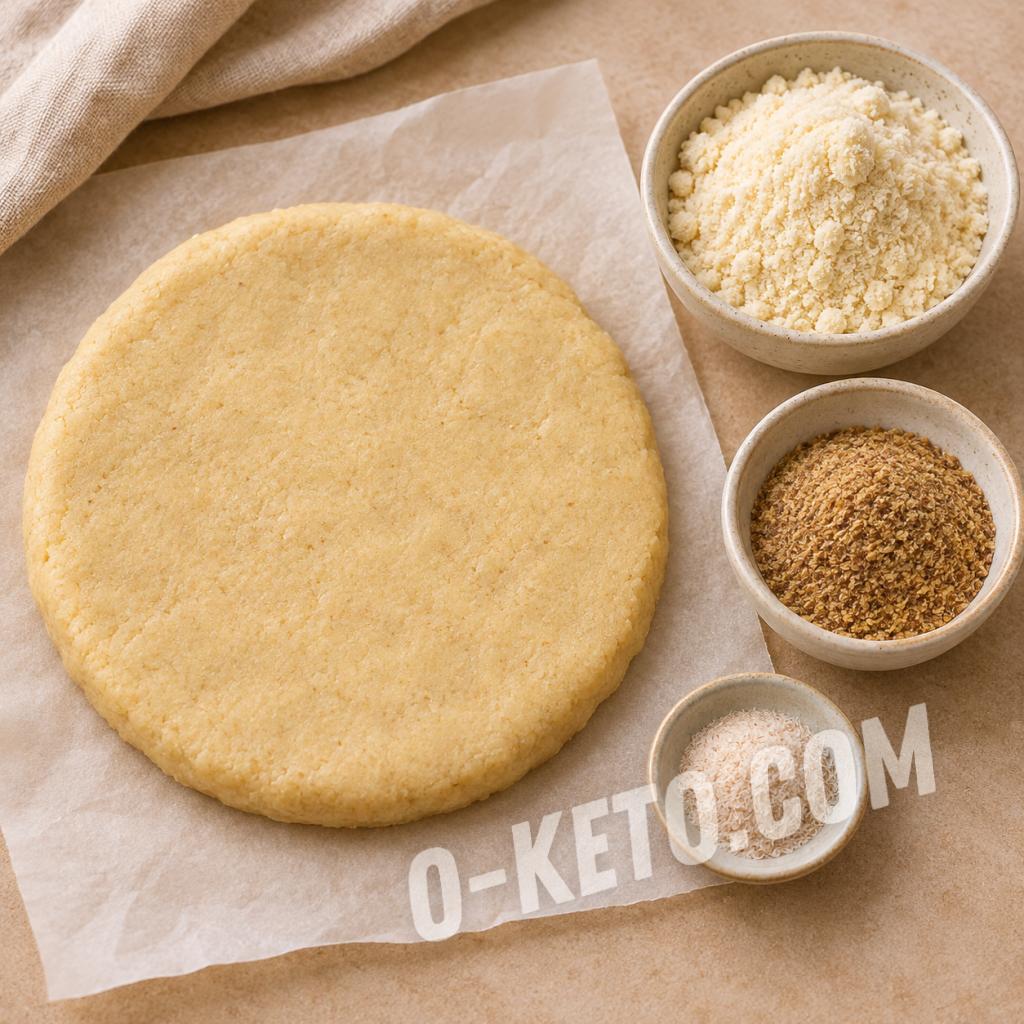
When flour alone cannot hold the desired shape, a binder can help. Psyllium swells in liquid and helps make a more cohesive, pliable dough. It suits formulas that must come together, roll out, or be shaped. Powder and whole husk differ in volume and behavior, so do not swap them one for one without checking the specific recipe instructions.
Xanthan gum works in very small amounts and helps bind a mixture and keep it intact during shaping. It can help dough that lacks cohesion, but too much may make the mixture sticky or rubbery. Start with the amount specified by the formula and adjust only in a small trial batch. Psyllium generally adds bulk and absorbs liquid; xanthan acts as a targeted stabilizer. They cannot be exchanged gram for gram.
Bamboo fiber can reduce a wet impression and lighten a blend, but too much may make baked goods dry and dense. Treat it as one part of a tested formula rather than a neutral powder for adding volume. The final result depends on how the base, liquid, and binder work together.
Match the ingredients to the type of dough
Compare the texture you want with the role of each component. The guide below is a starting point, not a substitute for the proportions in a tested recipe.
| Item | Base | What to watch |
|---|---|---|
| Pancake or thin flatbread | Almond flour, with a small share of flax if needed | Keep the batter fluid; add dry fibers gradually |
| Roll or bread | Almond base with the structural component specified by the formula | Psyllium or another designated binder must support shape and moisture |
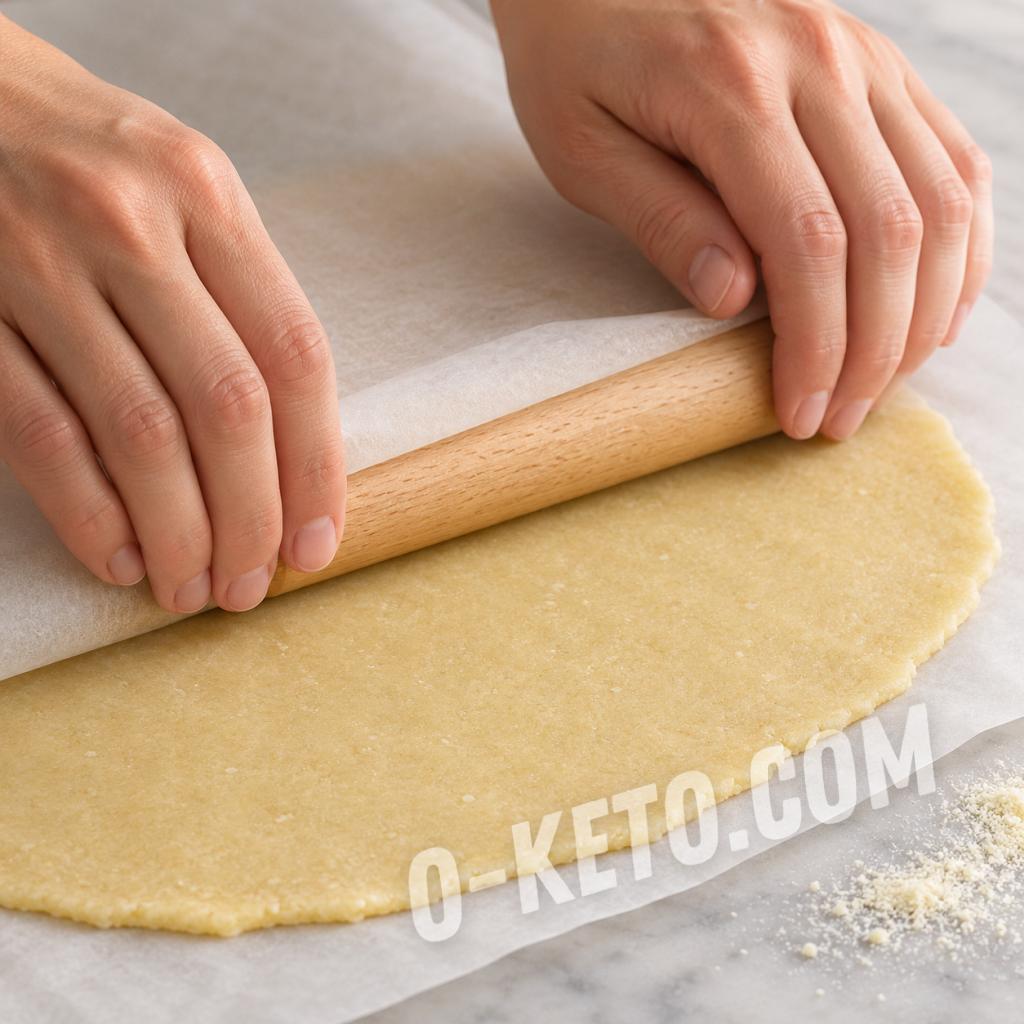
| Rollable wrapper | A flour-and-binder blend designed for shaping | Check pliability after resting and roll between sheets of parchment |
| Shortbread or cracker | Almond flour or a purpose-built blend | Avoid excess binder; too much elasticity reduces a crumbly texture |
The comparison shows why there is no single “best keto flour.” A thin batter needs flow, a shaped dough needs cohesion, and a cracker needs a short, crisp structure. Start with a base suited to the item, then add a binder only to address a specific weakness rather than as general insurance.
Check the consistency before making a full batch
Even a sensible combination can behave differently because of grind size, freshness, and liquid content. Mix a small test portion first. Let it rest for the time specified in the recipe: fibers need time to absorb liquid, so a freshly mixed dough may look looser than it will after standing.
Judge the mixture by its intended use. Pancake batter should flow from a spoon; dough for rolling should form a ball without splitting at the edges; short-dough pastry should hold its shape without becoming stretchy and sticky. If the mixture is too dry, add liquid in small increments. If it is too sticky, do not immediately bury it in extra flour: let it rest and check the surface and edges again.
For rolling, use two sheets of parchment so a soft dough can be handled without working extra flour into it. Peel back the top sheet gradually instead of pulling at one edge. If the formula calls for resting or chilling, keep that step because it affects handling. Judge the final result after baking too: raw dough does not always predict how dense or crisp the finished item will be.
What to adjust when the result is off
Crumbling can point to insufficient cohesion or liquid, but the grind may also be unsuitable. Stickiness may come from too much liquid, too much binder, or too little resting time. A dry, heavy crumb can result from excess fiber or flour. Change one variable at a time—liquid or binder, for example—and record what changed. The next trial can then identify the cause instead of producing another random result.
Do not replace all almond flour in a finished formula with flax, swap psyllium for xanthan, or replace fiber with extra flour without recalculating. These ingredients perform different functions and change the balance of liquid, tenderness, and strength. Choose the base for the item, choose the binder for the cohesion needed, and test the consistency in a small batch. That approach makes it easier to keep the intended texture without overloading the dough with dry ingredients.