


TOP-5 Studies on Disease Treatment from 06.06.2026 - 13.06.2026
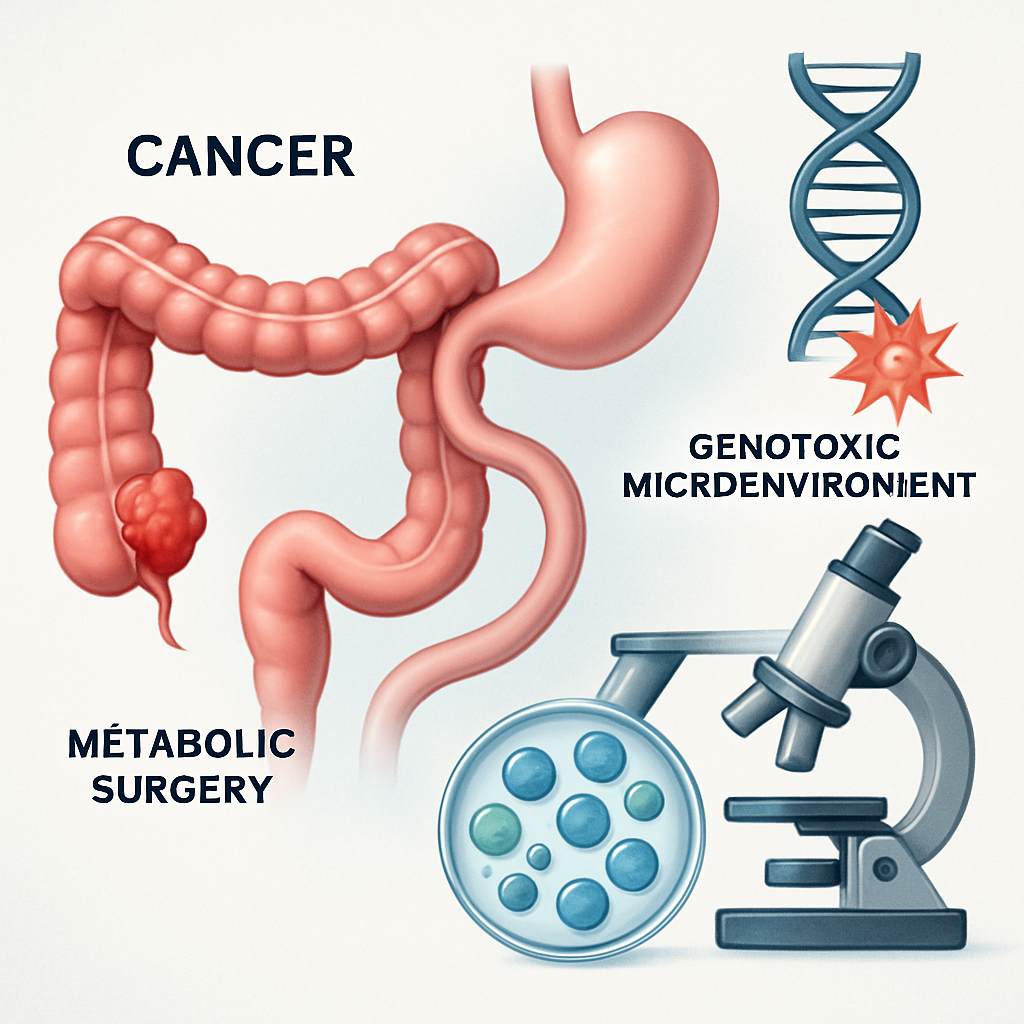

Various risks of colorectal cancer after metabolic bariatric surgery: anatomical remodeling and genotoxic microenvironment; Sterol-regulating proteins binding to elements: Major regulators of lipid metabolism reprogramming in cancer and new therapeutic targets (Review); How does survodutide work? A layman's overview of a potential new drug for the treatment of obesity and liver diseases; Multifaceted benefits of proactive intervention in obstructive sleep apnea; Cholesterol metabolism in immune cells: from mechanisms to therapeutic opportunities.


5. Differences in colorectal cancer risks after metabolic bariatric surgery: anatomical remodeling and genotoxic microenvironment.
About the work.
The study aims to analyze differences in colorectal cancer (CRC) risk after metabolic bariatric surgery (MBS), comparing Roux-en-Y gastric bypass (RYGB) and sleeve gastrectomy (SG) procedures. Mechanisms explaining these differences are discussed.
Results.
RYGB is associated with an increased long-term risk of CRC (HR 1.55 at 10-14 years), while SG does not show a similar increase in risk. Changes in colonic microbiota and the genotoxic environment are suggested to contribute to this difference.
4. Sterol-regulating proteins binding to elements: major regulators of lipid metabolism reprogramming in cancer and new therapeutic targets (Review).
About the work.
The review discusses sterol-regulating elements that bind to proteins (SREBPs) as key regulators of lipid metabolism in cancer cells and their role in tumor progression. Mechanisms of their activation and potential therapeutic strategies are discussed.
Results.
Targeting SREBPs represents a promising strategy for cancer therapy, requiring further research to clarify their complex regulatory networks.
3. How does survodutide work? A layman's overview of a potential new drug for the treatment of obesity and liver diseases.
About the work.
The review covers the drug survodutide, which is in trials for the treatment of obesity and metabolic dysfunction-associated steatotic liver disease (MASH). The mechanisms of action of the drug and its impact on patient health are discussed.
Results.
The available abstract does not describe the results in sufficient detail.
2. Multifaceted benefits of proactive intervention in obstructive sleep apnea.
About the work.
The review focuses on studying the benefits of proactive intervention in patients with obstructive sleep apnea (OSA) and defining future strategies in this area.
Results.
The available abstract does not describe the results in sufficient detail.
1. Cholesterol metabolism in immune cells: from mechanisms to therapeutic opportunities.
About the work.
The study investigated cholesterol metabolism in immune cells and its impact on the immune response. Various types of immune cells and their specialized cholesterol metabolism programs, as well as the influence of physiological factors, are discussed.