


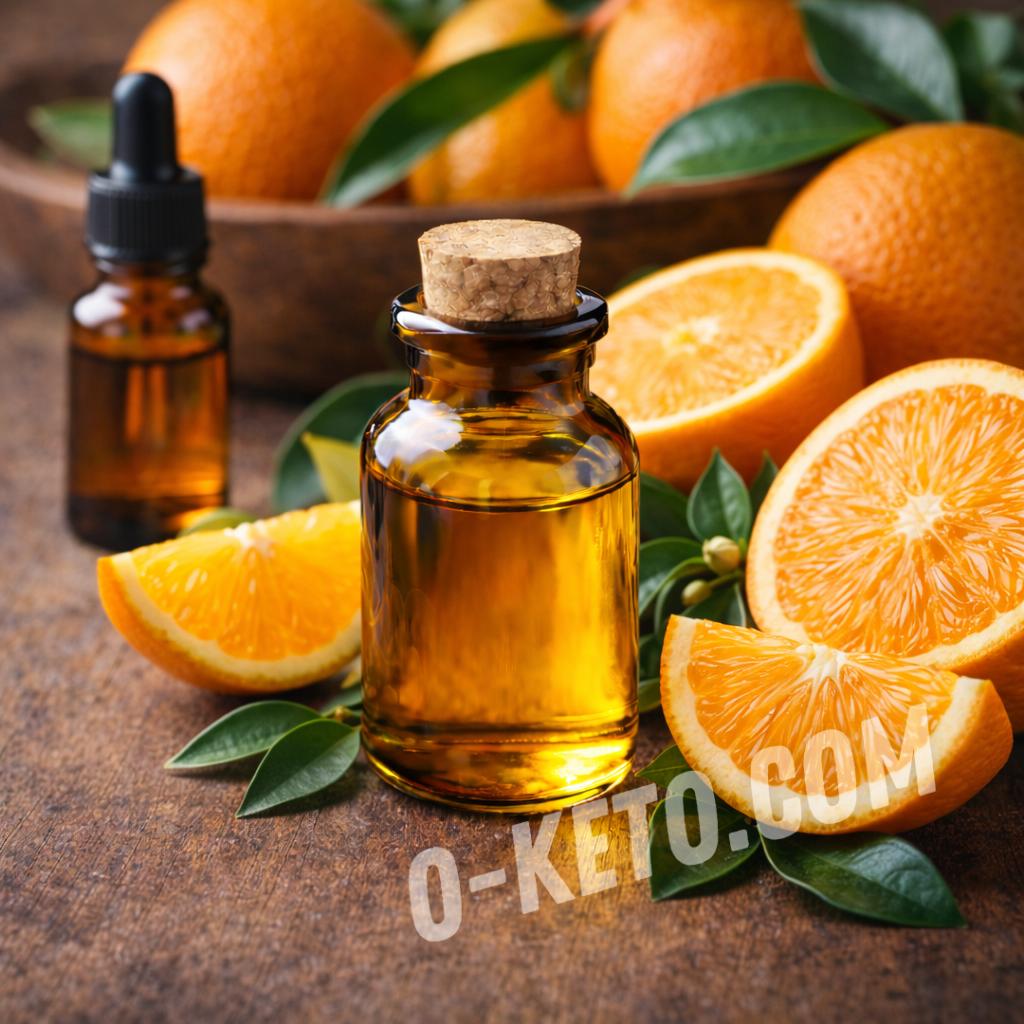

Orange essential oil is obtained from the peel of Citrus sinensis fruits through cold pressing. It has a bright, sweet, warm citrus aroma and is considered one of the most accessible and versatile essential oils. Orange oil is widely used to support the nervous system, improve mood, and care for the skin. Due to its gentle action and good tolerance, it is suitable for regular use in aromatherapy and cosmetology.
History and Origin
The orange as a plant was known in China over two thousand years ago. Its fruits were used not only for food but also for medicinal purposes. Oranges reached Europe through Arab traders in the Middle Ages, and mass cultivation began in Mediterranean countries in the 16th century.
Orange essential oil began to be extracted after the methods of cold pressing the peel were mastered. In Europe, the oil quickly became popular due to its aroma and availability. It was used for scenting rooms, in perfumery, and later in natural medicine and cosmetics.
Today, the main producers of orange essential oil are Brazil, the USA, Spain, and Italy. The oil is valued for its stable quality, pronounced aroma, and wide range of applications.
Composition and Physiological Properties
Orange essential oil is characterized by a high content of monoterpenes, primarily limonene. This component determines the characteristic aroma of the oil and its effects on the nervous system and metabolic processes.
Orange oil has a gentle toning and simultaneously relaxing effect. It helps reduce emotional tension, improves mood, and supports the body’s adaptation to stress. Additionally, the oil exhibits antiseptic and antioxidant properties.
Main Effects of Orange Essential Oil
- improvement of mood and emotional background;
- reduction of stress and internal tension;
- gentle toning effect;
- antiseptic properties;
- support for skin metabolic processes.
Use in Aromatherapy
In aromatherapy, orange essential oil is used to create a sense of warmth, joy, and lightness. Its aroma helps reduce anxiety, decrease apathy, and increase overall vitality. The oil is well-suited for daytime use, as well as for work and study.
Orange is often used in diffusers, aromatic blends, and inhalations. It pairs well with lavender, neroli, ylang-ylang, cinnamon, clove, and other citrus oils.
Use in Skin Care
Orange essential oil is widely used in cosmetology, especially for oily, combination, and dull skin. It helps improve microcirculation, even out skin tone, and reduce inflammatory reactions.
The oil is used in creams, lotions, oil blends, and anti-cellulite products. It is applied exclusively in diluted form, as it is a photosensitizing essential oil.
Main Areas of Application in Cosmetology
- care for oily and combination skin;
- support for even skin tone;
- anti-cellulite programs;
- aromatization of cosmetic products.
Use in Body Practices
In massage blends, orange essential oil is used to improve blood circulation and relieve muscle tension. It creates a feeling of warmth and comfort, helping to relax and restore strength.
Usage Recommendations
- use only in diluted form;
- avoid applying to the skin before sun exposure;
- conduct a sensitivity test before first use;
- use moderate dosages.
Contraindications and Precautions
Orange essential oil is not recommended for individuals with citrus allergies.
Due to its photosensitizing effect, it should not be applied to the skin before sun exposure.
During pregnancy and in the presence of chronic diseases, the use of the oil should be coordinated with a specialist.
The oil is not recommended for use in young children without consulting a specialist.
Orange essential oil is a gentle, sunny, and versatile remedy that supports emotional well-being, improves atmosphere, and is widely used in skin care. When used correctly, it becomes a reliable assistant in aromatherapy and natural cosmetology.


