


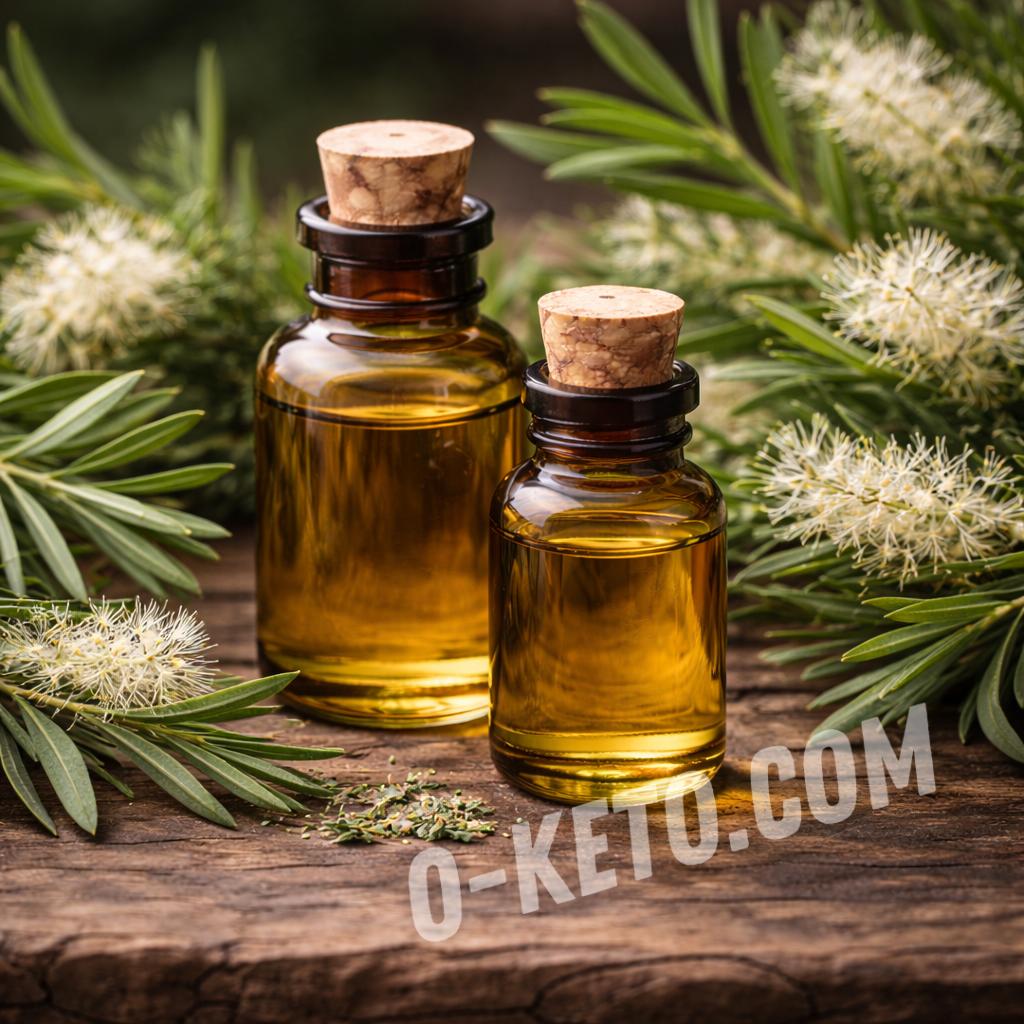

Niaouli essential oil, obtained from the leaves of the Melaleuca quinquenervia tree, belongs to the group of melaleuca essential oils and is considered a milder and more balanced alternative to tea tree oil. Its aroma is fresh, camphorous, slightly eucalyptus-like, but less sharp, making niaouli convenient for regular use. Historically, this oil has been used in traditional medicine in Australia and the Pacific Islands to support the respiratory system, skin care, and protection against infections.
In modern aromatherapy, niaouli essential oil is valued for its combination of antiseptic, anti-inflammatory, and gently stimulating properties. It does not overload the nervous system and is well tolerated by the skin when properly diluted, making it a versatile remedy for home medicine cabinets and cosmetic care.
Origin and Features
The Melaleuca quinquenervia tree predominantly grows in Australia, New Caledonia, and coastal areas of the Pacific Ocean. The essential oil is obtained through steam distillation of fresh leaves. In terms of its chemical profile, niaouli occupies an intermediate position between tea tree and eucalyptus, combining effectiveness with a gentler action.
A key feature of niaouli is its high biological activity with a low risk of irritation. This makes it suitable for sensitive skin and for people who poorly tolerate more aggressive essential oils.
Chemical Composition and Physiological Action
Niaouli essential oil is characterized by a high content of 1,8-cineole, as well as alpha-pinene, beta-pinene, terpineol, and trace amounts of camphor. This combination of components defines its wide range of action.
The main effects of the oil include:
- antiseptic and antimicrobial action;
- anti-inflammatory effect on the skin and mucous membranes;
- support for the respiratory system;
- moderate analgesic action;
- gentle stimulation without overloading the nervous system.
1,8-cineole helps to clear the airways and ease breathing, while pinene compounds enhance the antimicrobial and anti-inflammatory effects.
Impact on the Respiratory System
One of the key areas of application for niaouli is support for the respiratory system. The oil is used for colds, nasal congestion, and a feeling of heaviness in the chest.
It is applied:
- for inhalations during colds and viral infections;
- in diffusers for air purification;
- in massage blends for the chest area.
Unlike eucalyptus, niaouli acts more gently and is better suited for long-term use.
Skin Care Application
In cosmetology, niaouli essential oil is used for the care of problematic and inflamed skin. It helps to reduce redness, accelerates healing, and lowers the risk of secondary infections.
Main areas of application include:
- skin care for acne and breakouts;
- support for skin in cases of dermatitis;
- treatment of minor skin injuries;
- skin care after shaving and depilation.
The oil is added to creams, serums, masks, and spot treatments, always diluting it in a carrier oil.
Use in Aromatherapy
In aromatherapy, niaouli is used to enhance clarity, relieve mental fatigue, and support recovery after illness. Its aroma is refreshing but does not cause overstimulation.
It is used:
- in diffusers to improve concentration;
- when feeling tired and lethargic;
- in restorative aromatherapy protocols.
It blends well with lavender, ravintsara, rosemary verbenone, frankincense, and lemon.
Precautions and Recommendations
Niaouli essential oil is considered relatively safe; however, it requires adherence to standard essential oil application guidelines.
Recommendations for use include:
- use only in diluted form;
- conduct a skin test before first use;
- avoid use during pregnancy without consulting a specialist;
- do not use internally without professional supervision.
Niaouli essential oil is a versatile and balanced remedy for supporting the respiratory system, skin care, and aromatherapy. When used wisely and consciously, it can become a reliable assistant in daily health and well-being care.


