


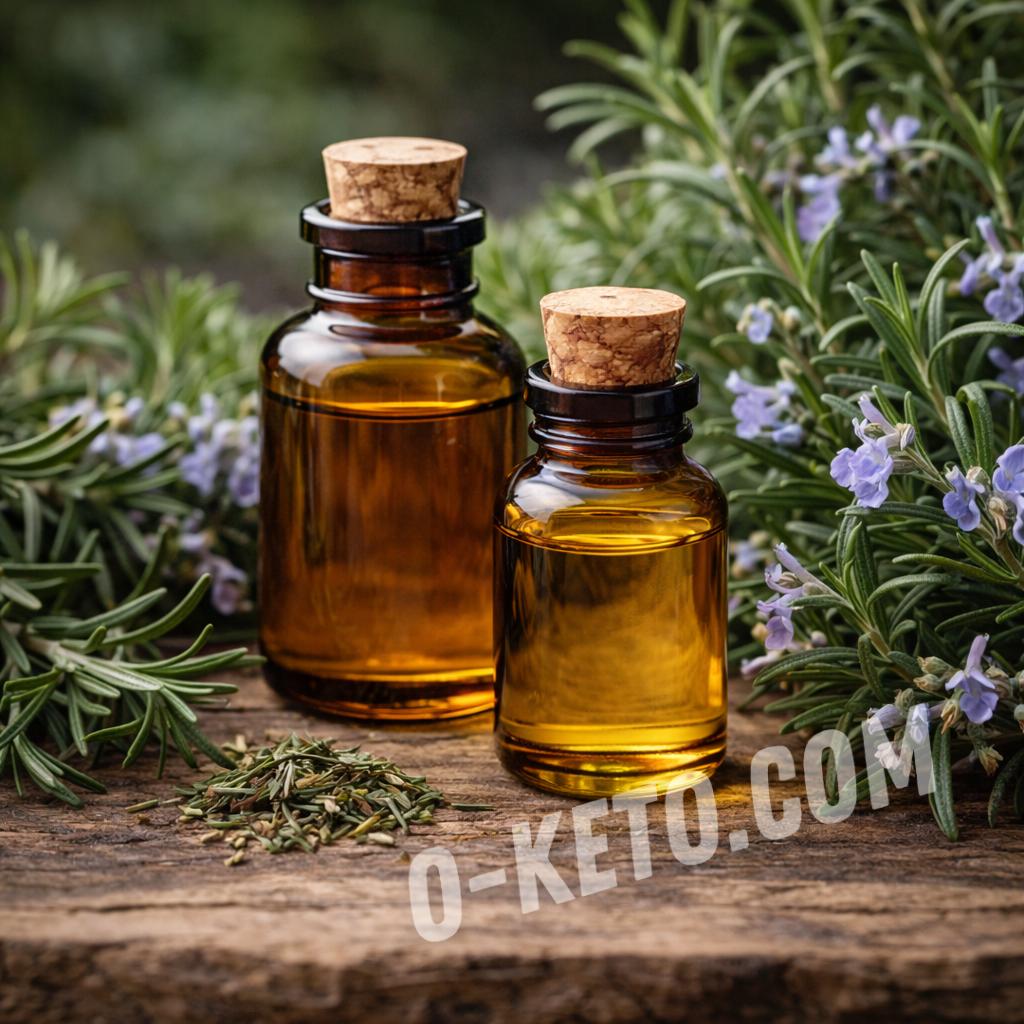

Rosemary essential oil of the verbenone chemotype (Rosmarinus officinalis ct. verbenone) is one of the gentlest and most physiological variants of rosemary oil, which fundamentally distinguishes it from the more aggressive camphor and cineole chemotypes. It combines a pronounced regulatory effect on metabolic processes, the nervous system, and the skin, without overloading the body with stimulation. The aroma of the oil is fresh, herbal, slightly sweet, with a warm woody note, making it comfortable for regular use.
Verbenone rosemary has traditionally been used in Mediterranean regions as a means of recovery after illnesses, supporting liver function, improving concentration, and providing gentle stimulation without sharp excitement. In modern aromatherapy, this chemotype is considered the most “therapeutic” and balanced, especially in long-term protocols.
Chemical Composition and Action Features
Verbenone rosemary essential oil has a shifted profile of active components. It is dominated by verbenone, borneol, and a moderate amount of 1,8-cineole, with significantly lower camphor content compared to other rosemary chemotypes. This is what makes the oil gentle, well-tolerated, and suitable for sensitive individuals.
The main physiological effects of the oil are:
- regulatory action on the nervous system;
- support for liver function and bile secretion;
- moderate anti-inflammatory action;
- improvement of microcirculation;
- stimulation of skin regeneration.
Verbenone is considered one of the most valuable components as it promotes restorative processes rather than just stimulating. This distinguishes this chemotype from camphor rosemary, which acts more harshly and is not suitable for everyone.
Impact on the Nervous System and Cognitive Functions
In aromatherapy, verbenone rosemary is used to enhance mental clarity and concentration without overloading the nervous system. It helps with mental fatigue, reduced attention span, and a feeling of “cloudiness” in consciousness, especially against the backdrop of chronic stress.
The oil is used:
- for mental overwork;
- to support concentration and memory;
- for asthenic conditions;
- during recovery periods after illnesses.
Unlike stimulating oils, verbenone rosemary does not cause a sharp rise followed by exhaustion, but acts gently and balancing.
Use in Cosmetology and Hair Care
In cosmetology, verbenone rosemary essential oil is primarily used for oily and combination skin, as well as for scalp care. It helps normalize sebum production, improves microcirculation, and supports skin renewal processes.
Main areas of application:
- care for oily and problematic skin;
- support for tired-looking skin;
- strengthening hair and stimulating growth;
- improving the condition of the scalp.
The oil is often added to serums, creams, face masks, and hair products, as well as used in massage blends for the scalp.
Support for Liver and Metabolic Processes
One of the key features of verbenone rosemary is its connection to liver function and detoxification processes. In aromatherapeutic practice, it is used as an adjunctive means for stagnation, impaired bile flow, and a feeling of “overload” in the body.
It is primarily used externally:
- in massage blends for the area of the right hypochondrium;
- in aromatherapy to support metabolic processes;
- in restorative protocols.
Precautions and Recommendations for Use
Despite its relative gentleness, verbenone rosemary essential oil remains a biologically active substance and requires adherence to standard safety rules.
Main recommendations:
- use only in diluted form;
- conduct a skin test before first use;
- avoid use during pregnancy;
- do not use in cases of epilepsy and severe hypertension;
- do not take internally without a specialist.
Verbenone rosemary essential oil is a versatile tool for gentle stimulation, restoration, and regulation. When used correctly, it helps improve concentration, support metabolic processes, and enhance skin condition, while remaining one of the most balanced and physiological oils in aromatherapy.


