


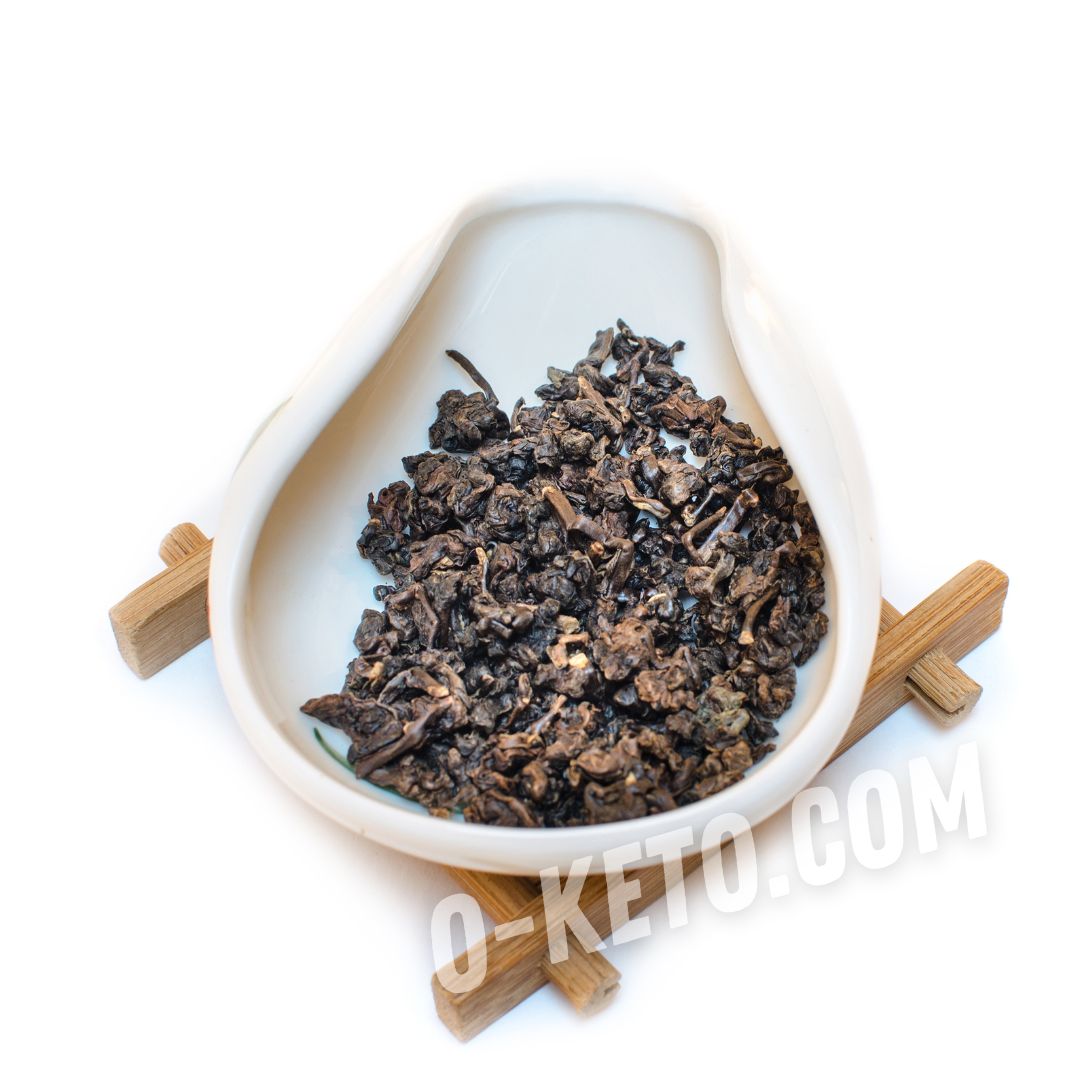

GABA tea is tea made from Camellia sinensis leaves processed in a low-oxygen environment. This technology was developed to increase the content of gamma-aminobutyric acid, or GABA, in the tea leaf. By style it may be green tea, oolong, or another tea type, but the common feature is anaerobic processing before final drying.
The flavor depends on raw material and processing level. It is often soft and rounded, with notes of dried fruit, honeyed herbs, baked apple, nuts, or slight acidity. But it is not a sweet drink by itself and not a medical infusion. It is better viewed as a separate tea style: interesting in technology, flavor, and softness, but still requiring proper brewing and reasonable amounts.
Nutrition
Plain GABA tea without sugar contains almost no calories or carbohydrates in a cup. The dry leaf is not eaten as food, so per-100 g tables are not very useful here. What matters in practice is what enters the drink: water, tea extractives, varying caffeine, polyphenols, amino acids, and aroma compounds.
GABA content depends on technology and batch. Some teas list it on the package, while others do not. The word GABA on the label does not by itself describe strength or make the drink a sedative product. Flavor, caffeine, brewing method, and personal reaction may differ more than expected.
Place in keto and LCHF
GABA tea fits keto and LCHF well when drunk without sugar, honey, syrups, or sweet milk additions. In that form, a cup adds almost no carbohydrates and can be a regular hot drink between meals or after food. Stevia and erythritol may be used if they suit you and do not trigger sweet cravings.
The problems come not from the tea but from additions: milk, condensed milk, sugar, sweet cream, fruit syrups, and tea desserts can change the whole profile of the drink. For stricter keto, keep GABA tea plain or pair it with unsweetened lemon, mint, ginger, or a small amount of cream if it fits the menu.
How to brew
The exact method depends on leaf type. For many GABA oolongs, water around 85-95 °C and short infusions work well when brewing in a gaiwan or small teapot. For greener styles, lower the temperature to avoid harsh bitterness. If brewing in a mug, start with 2-3 g of leaf per 200 ml and 2-4 minutes, then adjust.
GABA tea often handles several infusions. The first may be soft and fruity; later ones can become denser or more herbal. Do not make a very strong brew immediately: high concentration can bring astringency, heavy taste, and more caffeine. It is better to find strength gradually.
When to drink
Despite its soft image, GABA tea is still made from Camellia sinensis and may contain caffeine. Some people experience it as a calm evening drink; others find that it interferes with sleep, especially when brewed strong and late. If you are caffeine-sensitive, try the first cup during the day and not too strong.
During keto transition, hot unsweetened drinks can be useful as a routine simply because they reduce habitual snacking. But GABA tea should not replace meals, salt, water, or sleep. If you want to drink it daily, watch your response: appetite, sleep, pulse, and stomach comfort.
How to choose
Look for a clear description: country or region, tea type, year or season, processing level, and brewing suggestions. Good dry leaf smells clean, without dampness, mold, smoke unless it is part of the style, or foreign flavorings. A very strong candy-like smell may suggest added aroma.
If the producer lists GABA content, that adds transparency, but it is not the only criterion. Freshness, storage, and taste matter. Bags with dust and broken pieces usually brew more roughly than whole leaf and lose aroma faster after opening.
Limits and storage
Caution is sensible for people sensitive to caffeine, those who react anxiously to strong tea, people with reflux, pregnant people, and anyone using products incompatible with larger amounts of caffeine. If GABA tea causes palpitations, discomfort, or insomnia, reduce strength, move it to the first half of the day, or stop drinking it.
Store tea in an airtight package in a dark dry place, away from spices, coffee, and moisture. Tea leaf absorbs smells quickly, so a kitchen spot next to the stove is poor storage. By role, GABA tea can be replaced with oolong, green tea, hojicha, rooibos, or an unsweetened herbal infusion, but flavor and caffeine profile will differ.


