


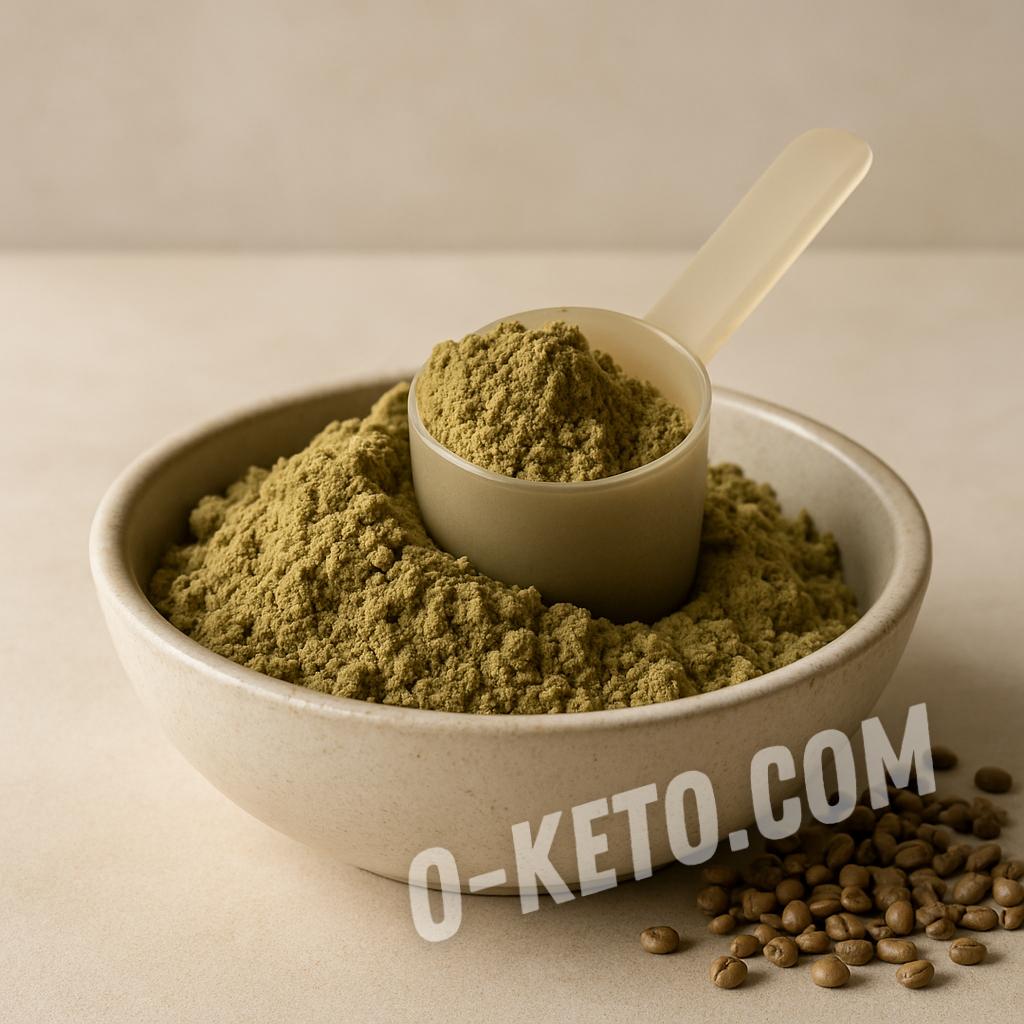

Hemp protein is a powder made from industrial hemp seeds and is commonly used in smoothies, baking, protein mixes, porridges, and home snack blends. Unlike highly purified isolates, it usually keeps more fiber, has a more earthy or nutty flavor, and does not look as “clean” on a protein-per-100-grams basis. That makes it both more interesting and more demanding in actual use.
For keto, hemp protein has a double identity. On one hand, it can be a useful unsweetened plant-protein ingredient. On the other, it is not a zero-carb powder, and the real macro profile depends heavily on brand: protein level, fiber level, flavoring, cocoa, sweeteners, maltodextrin, gums, and other additives. The word “hemp” alone is not enough to judge the product.
What kind of product it is
Most hemp protein powders are made from defatted hemp seed cake after oil pressing or from specially processed seed material. The gentler the processing, the more fiber, minerals, and characteristic plant flavor usually remain. That is why hemp protein often feels rougher and more rustic than whey isolate or many rice and pea proteins.
Its amino acid profile is interesting, but in digestibility and protein quality it usually trails the best animal proteins and some more refined powders. Producers often describe it as a complete protein because it contains all essential amino acids, yet PDCAAS values reported in the scientific literature are clearly lower than whey, egg, or some high-grade isolates. In practice, that means useful, but not magical.
How it fits into keto
The best keto version is a plain unsweetened powder with high fiber, no sugar, and a short ingredient list. In that form it can fit reasonably well in small or moderate servings, especially when it is part of a richer dish such as a smoothie with coconut milk, a keto batter with eggs, or a no-sugar protein mix with enough fat.
The main mistake is to stop reading once the package says “protein.” Some commercial blends contain far more carbohydrates and technical additives than expected. Hemp protein also rarely behaves like whey in texture or neutrality, so choosing it is as much about cooking style as it is about grams of protein.
How to use it
It works best in recipes where its earthy nut-like profile supports the dish rather than fighting it. Typical uses include:
- smoothies and shakes built on a richer liquid base;
- keto baking with eggs and other low-carb flours;
- homemade no-sugar balls or protein bars;
- porridges and creams that need extra protein and fiber;
- blends with other proteins when a softer flavor is needed.
Mixed only with water, it often tastes rough and feels powdery. It usually performs better when the recipe is built around its character instead of trying to pretend it is neutral whey.
How to choose it
Look at ingredient length, protein per 100 g, fiber level, sugar, sweetener type, and whether the product is heavily flavored. A one-ingredient powder is usually easier to predict in recipes and easier to place in a keto menu than dessert-like branded blends.
Grind size matters too. Coarser powders are more noticeable in drinks and baking, while finer powders mix more easily but are not automatically better nutritionally. After opening, keep the package dry and tightly closed because protein powders pick up moisture and odors quickly.
Hemp protein retains more fiber and accompanying seed components than many isolates, so its protein share and carbohydrate content vary considerably between brands. For keto, calculate the actual serving from the label and do not treat marketing claims about disease prevention or special therapeutic effects as established facts.
Practical limitations
Hemp protein does not replace meat, eggs, or dairy proteins in every respect, and its taste is not for everyone. But it can be a useful plant-based tool when the goal is a combination of protein, fiber, and moderate fat without sugar. In keto, it works best when serving size, label quality, and the whole recipe are considered together.


