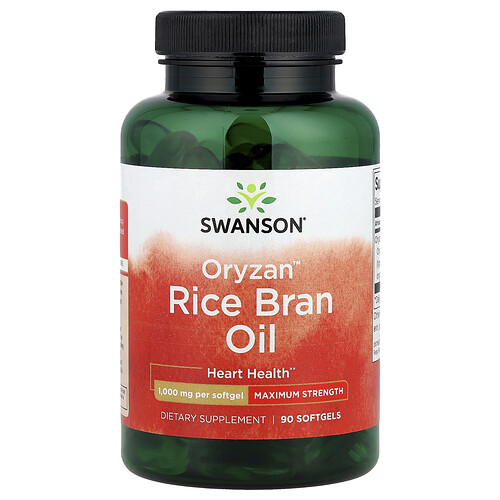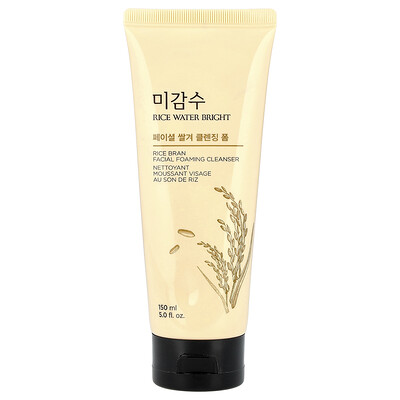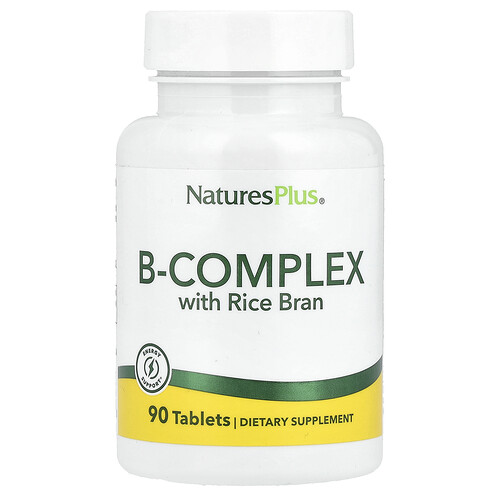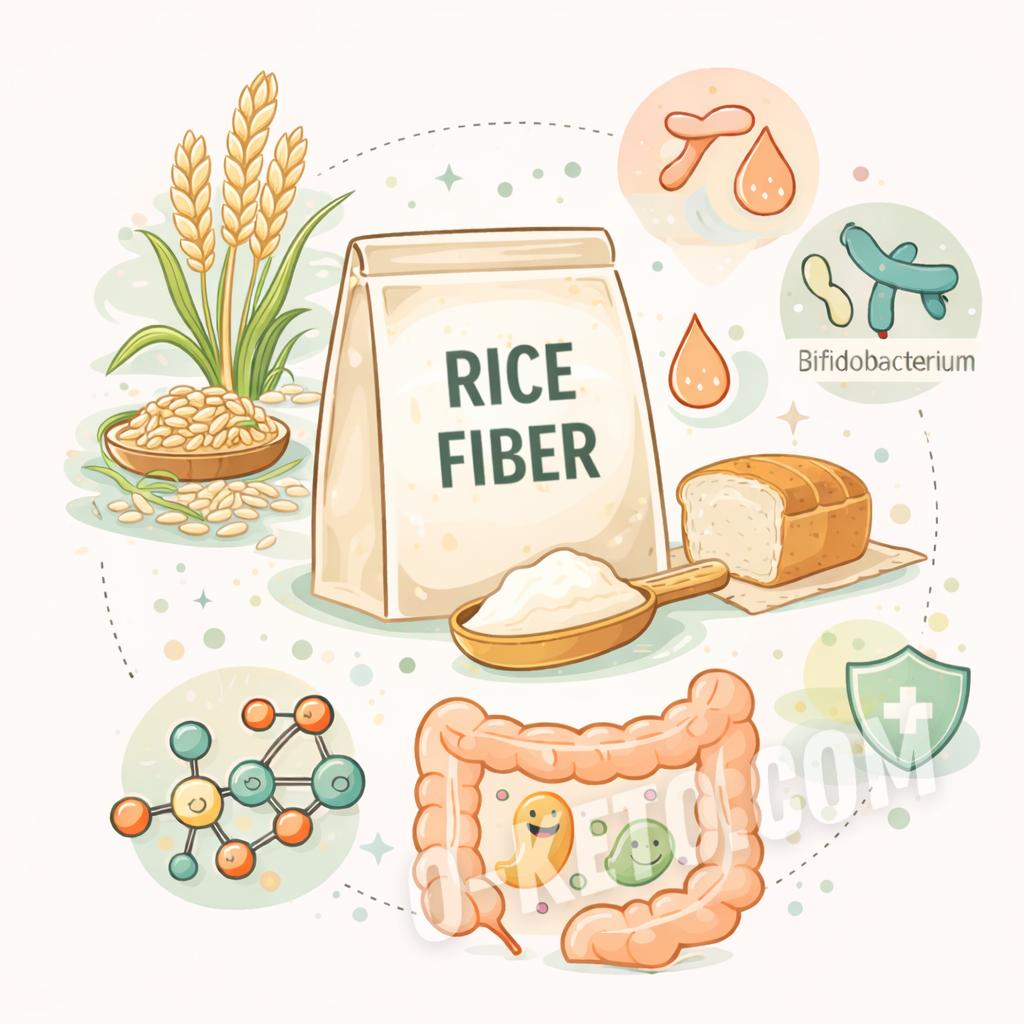

Rice fiber is a purified dietary fiber obtained from rice hulls, bran, or other rice-processing fractions. It is usually a light or cream-colored powder with a neutral taste and a faint grain smell. Unlike rice flour, this ingredient is not used mainly for starch: its role is to add bulk, fiber, and a denser structure to a recipe.
By properties, rice fiber is usually closer to insoluble fibers. It is not the same as psyllium: it does not form a strong gel and does not bind dough as powerfully. But it can dry a mixture slightly, reduce stickiness, improve crumb in baking, and add a neutral filler to blends without a strong taste.
Nutritional value
Exact numbers depend on purification. Good rice fiber can contain a lot of dietary fiber per 100 g, with little fat and protein, while available carbohydrates should be much lower than in rice flour. The label needs careful reading: products with similar names may be rice bran or flour, where carbohydrates are much higher.
Calorie values differ by producer because some fibers may be partially counted as energy and some may not. In practice, the important lines are carbohydrates, fiber, and serving size, not the word “fiber” on the front. A teaspoon or tablespoon usually contains little product, but in baking the total weight can become noticeable.
Is it suitable for keto?
Rice fiber can fit keto and LCHF if the composition is truly mostly fiber and does not contain rice flour, sugar, syrups, or starchy fillers. It does not sweeten a recipe and does not give a strong rice taste, so it is convenient in crispbreads, flatbreads, sugar-free muffins, and breading.
But it is not a required keto product. If vegetables, seeds, psyllium, or flax are tolerated well, rice fiber is simply one possible technical ingredient. If coarse fibers cause bloating or heaviness, even low-carb fiber may be inconvenient.
How to use it
In dough, rice fiber works as a dry filler. It is added little by little, usually together with almond flour, coconut flour, eggs, cheese, cottage cheese, or psyllium. Too much makes baked goods dry, crumbly, and dusty in taste.
In patties, fish cakes, and breading, rice fiber can replace part of bread crumbs. The layer should be thin: then it dries the surface and helps browning. It is added to yogurt or drinks less often because not everyone likes the dry grainy feel.
How to choose
Look for a product clearly labeled “rice fiber,” not “rice flour” and not only “rice bran.” The ingredient list should not include sugar, flavorings, maltodextrin, or unclear starch blends. The higher the dietary fiber and the lower the available carbohydrates, the more convenient the product is for low-carb cooking.
The powder should be dry, without lumps, mold, rancid smell, or signs of moisture. If it smells like old oil, mustiness, or dampness, it is better not used. For people excluding gluten, labeling about possible gluten traces matters because packing may happen on shared equipment.
What to pair it with
In low-carb recipes, rice fiber pairs with eggs, cheese, cottage cheese, unsweetened Greek yogurt, almond flour, flax, psyllium, sesame, spices, and minced meat. In sugar-free sweet recipes, the taste can be softened with vanilla, cinnamon, unsweetened cocoa, or lemon zest.
Limitations
The main limitation is fiber tolerance. A large portion may cause bloating, heaviness, dry stool, or discomfort, especially when fluid and fat intake are low. It is better to start with a small amount in a recipe rather than several spoons at once.
How to store it
Rice fiber is kept in a dry cool place, tightly closed. After opening, it is better transferred to an airtight container and not taken with a wet spoon. If used rarely, a small package is more practical than a large one: there is less risk that the powder absorbs smells and moisture.
What can replace it?
In keto recipes, rice fiber can be replaced with psyllium, gluten-free oat fiber if tolerated, wheat fiber, ground flax, coconut flour, or almond flour. They are not one-to-one replacements: psyllium binds much more water, coconut flour dries dough, flax has its own taste, and almond flour adds fat.