


Biotin (vitamin H, vitamin B7)
A water-soluble B7 vitamin required by enzymes of fat, carbohydrate, and amino acid metabolism; high-dose supplements also matter because they can distort laboratory tests.
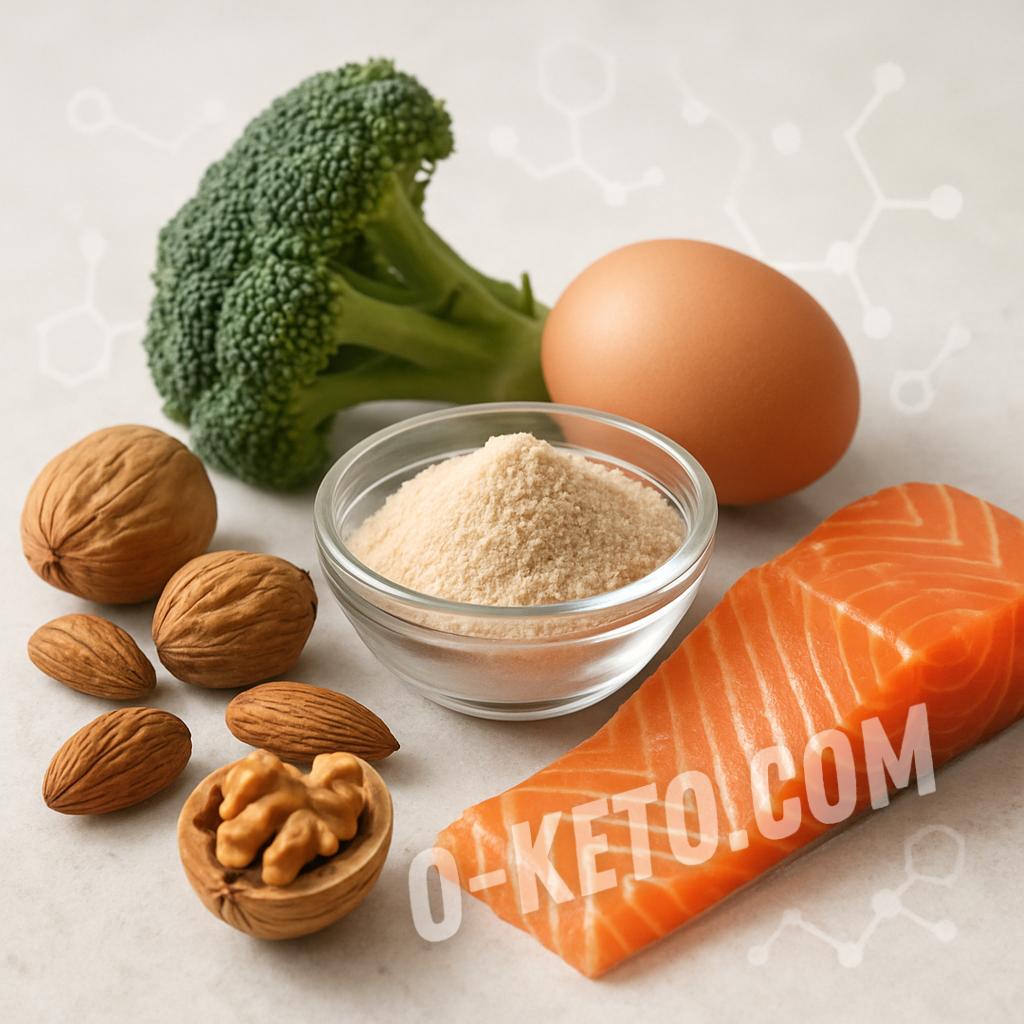
Biotin, or vitamin B7, is a water-soluble B vitamin that functions as a cofactor for carboxylase enzymes. These enzymes participate in fatty acid synthesis, production of glucose from non-carbohydrate sources, metabolism of certain amino acids, and handling of propionate. Biotin is therefore not merely a hair vitamin. Hair, skin, and nails can be affected by deficiency, but its central role is deeper: it helps cells carry out normal metabolic reactions, especially reactions that require transfer of a carboxyl group.
Where it is used
Biotin is required for acetyl-CoA carboxylases, pyruvate carboxylase, propionyl-CoA carboxylase, and methylcrotonyl-CoA carboxylase. Behind these long names are practical processes: making fatty acids, supporting gluconeogenesis, metabolizing leucine, and processing breakdown products of odd-chain fatty acids and some amino acids. On a low-carbohydrate diet this is interesting because the body relies more on fat use and hepatic glucose production. It does not mean that everyone on keto needs large doses of biotin. When the diet is nutrient-dense, the gut is functioning, and there are no medication-related risk factors, deficiency is uncommon.
Some biotin comes from food, and some may be produced by the intestinal microbiota, although the exact contribution of microbiota is hard to measure. Food sources include liver, egg yolks, fish, meat, nuts, seeds, and some vegetables. Raw egg whites contain avidin, a protein that binds biotin and prevents absorption. Cooking denatures avidin, so this issue mainly concerns regular intake of large amounts of raw egg whites, not normal cooked eggs in the diet.
When deficiency is possible
Biotin deficiency can cause dermatitis, hair loss, brittle nails, conjunctivitis, fatigue, depressive symptoms, numbness, coordination problems, and developmental issues in children. These signs are not specific. Similar complaints can occur with low iron, zinc, protein, vitamin D, B12, folate, thyroid disease, chronic inflammation, or energy deficiency. Biotin should not become a universal supplement for hair loss before more common causes have been checked.
Risk is higher in inherited disorders of biotin metabolism, long-term parenteral nutrition without adequate vitamin replacement, alcohol use disorder, some anticonvulsant medications, pregnancy, severe intestinal disease, and very restrictive diets. After prolonged antibiotics, the microbiota contribution may change, but that does not mean that every person automatically needs high-dose biotin. It is more useful to review diet, symptoms, medications, and laboratory context.
Supplements and laboratory tests
The most underestimated issue with biotin is interference with laboratory tests. Many immunoassays use the biotin-streptavidin system. High doses of biotin from hair and nail supplements can produce misleading results for thyroid tests, troponin, hormones, vitamin D, and other markers. This is not a small technical detail. A distorted troponin result can interfere with evaluation of a possible heart attack, and distorted TSH, free T4, or T3 can lead to an incorrect thyroid interpretation.
If a person takes biotin in milligram doses, the physician and laboratory should know. The supplement is often stopped before blood testing, but the interval depends on the dose, kidney function, and the specific assay. Ordinary amounts from food usually do not create this problem. Multivitamins vary widely: some contain near-physiological amounts, while others provide much more. A high number on the label does not mean a better hair effect if the real driver is ferritin, thyroid function, stress, low protein intake, or the postpartum period.
Practical nutrition context
For a low-carbohydrate diet, biotin matters as part of nutrient density. Eggs, moderate portions of liver, fish, meat, nuts, and seeds fit LCHF well and also provide protein, choline, zinc, selenium, B12, and other nutrients. If the diet is mostly coffee, cream, butter, and repetitive meat without organ meats, fish, eggs, or plant foods, the problem may not be biotin alone but the narrowness of the menu. It is usually better to fix that through food quality than through endless isolated capsules.
If you have any questions about the term "Biotin (vitamin H, vitamin B7)", you can ask them to AI. Please note, a low-cost OpenAI model is used. It may answer questions about disease treatment with errors!


 1 / 4
1 / 4

 1 / 4
1 / 4 1 / 4
1 / 4 1 / 4
1 / 4