


Granulomatosis
Granulomatosis is an inflammatory disease characterized by the formation of granulomas — small nodules made up of immune cells. This condition can affect various organs, including the lungs, skin, and lymph nodes, and often requires a comprehensive approach to diagnosis and treatment to manage symptoms and prevent complications.


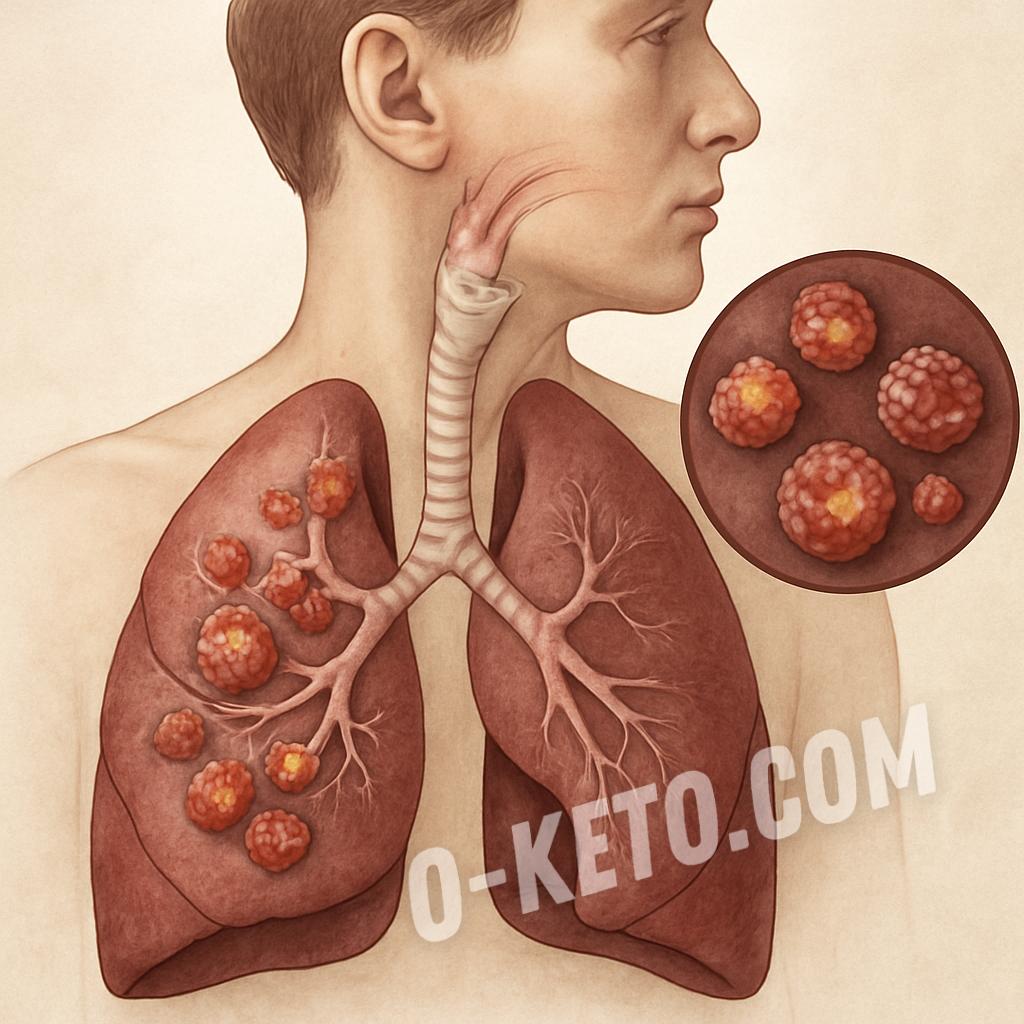
Granulomatosis is a pathological process characterized by the formation of granulomas, which are small inflammatory nodules. These formations can occur in various organs and systems of the body, making granulomatosis an important topic for study in the fields of medicine and nutrition. Understanding the causes, mechanisms, and manifestations of granulomatosis can aid in its diagnosis and treatment.
What is granulomatosis?
Granulomatosis refers to an inflammatory disease in which granulomas form in the tissues of the body. These nodules consist of macrophages, lymphocytes, and other cells that actively participate in the inflammatory process. Granulomas can arise in response to infectious agents, foreign bodies, or autoimmune reactions. Depending on the cause and localization, granulomatosis can present with various symptoms and require specific diagnosis and treatment.
Main causes and mechanisms of granulomatosis
There are numerous factors that contribute to the development of granulomatosis. The main causes include:
- infectious diseases such as tuberculosis, sarcoidosis, leprosy;
- autoimmune diseases including systemic lupus erythematosus and Crohn’s disease;
- reactions to foreign bodies such as silicone or asbestos;
- certain medications that cause allergic reactions;
- lesions caused by fungal infections.
The mechanism of granulomatosis formation involves the activation of the immune system in response to specific irritants. In this process, macrophages, attempting to eliminate damaging factors, begin to merge, forming granulomas. This process can be protective, but in some cases, it leads to damage to surrounding tissues and functional disorders of organs.
How does granulomatosis manifest?
The symptoms of granulomatosis can vary depending on the localization and cause of the disease. Common manifestations include:
- fever;
- fatigue and weakness;
- weight loss;
- pain in the area of affected organs;
- cough in pulmonary forms of granulomatosis;
- skin rashes in cutaneous forms.
In pulmonary forms of granulomatosis, such as sarcoidosis, breathing difficulties and cough may occur. In cases involving the intestines, abdominal pain and bowel disturbances may be observed. It is important to note that granulomatosis can be asymptomatic in the early stages, making timely diagnosis challenging.
When is medical examination important?
Medical examination becomes particularly important in the presence of the following symptoms:
- prolonged fever without an apparent cause;
- persistent fatigue and weakness that do not improve with rest;
- sudden weight loss;
- unexplained pain in the area of organs;
- appearance of new skin rashes.
Timely consultation with a doctor allows for necessary investigations, such as X-rays, CT scans, and biopsies, to identify granulomatosis and determine its causes. Early intervention can significantly improve the prognosis and quality of life for the patient.
Nutrition and lifestyle in granulomatosis
While the primary treatment for granulomatosis focuses on eliminating the underlying cause of the disease, proper nutrition and lifestyle can play an important role in maintaining health. It is recommended to:
- consume antioxidant-rich foods, such as fruits and vegetables;
- avoid foods that trigger allergic reactions;
- maintain adequate hydration;
- include sources of omega-3 fatty acids, such as fish, in the diet;
- follow a balanced diet to support the immune system.
Additionally, it is important to avoid stress and maintain physical activity, which can help strengthen overall health. However, before making changes to lifestyle or diet, it is advisable to consult with a doctor or nutritionist.
Common mistakes and limitations
There are several common mistakes associated with granulomatosis:
- insufficient awareness of symptoms, which can lead to delayed diagnosis;
- self-treatment without consulting a doctor, which may worsen the condition;
- ignoring dietary and lifestyle recommendations;
- insufficient attention to comorbidities;
- lack of awareness about potential complications of granulomatosis.
Understanding these mistakes and limitations can help prevent the development of complications and improve the quality of life for patients with granulomatosis. Consulting specialists and following their recommendations play a key role in successfully managing this disease.
Treatment prospects and modern approaches
Treatment of granulomatosis depends on its cause and severity. In most cases, therapy includes the use of anti-inflammatory medications, such as corticosteroids, which help reduce inflammation and alleviate symptoms. In some cases, the use of immunosuppressants may be necessary, especially in autoimmune forms of granulomatosis.
Modern research is also focused on finding new treatment methods, including biological agents that can specifically target inflammatory processes. These agents may offer hope to patients for whom traditional therapeutic methods have proven ineffective.
It is important to note that treatment of granulomatosis requires an individualized approach. Each patient is unique, and therapy should be adapted based on their condition, comorbidities, and response to treatment. Regular follow-up with a doctor and adjustment of treatment are key aspects of successful disease management.
The role of support and rehabilitation
Support from family, friends, and healthcare professionals plays an important role in the treatment process of granulomatosis. The emotional state of the patient can significantly affect their overall well-being and willingness to follow medical advice. Support groups and psychotherapy can help cope with the psychological difficulties that arise during treatment.
Rehabilitation after the treatment of granulomatosis is also important. It may include physical therapy, which helps restore the functions of affected organs and improve quality of life. Special rehabilitation programs can be beneficial for patients who face limitations in physical activity or functional impairments.
Thus, a comprehensive approach to the treatment of granulomatosis, including medical, psychological, and rehabilitation aspects, can significantly increase the chances of successful recovery and improve the quality of life for patients.
If you have any questions about the term "Granulomatosis", you can ask them to AI. Please note, a low-cost OpenAI model is used. It may answer questions about disease treatment with errors!


