


Hypocaloric diet
An eating pattern with calories below expenditure: useful for fat loss, but an overly harsh deficit can harm muscle, sleep, hormones, bile flow, and long-term adherence.


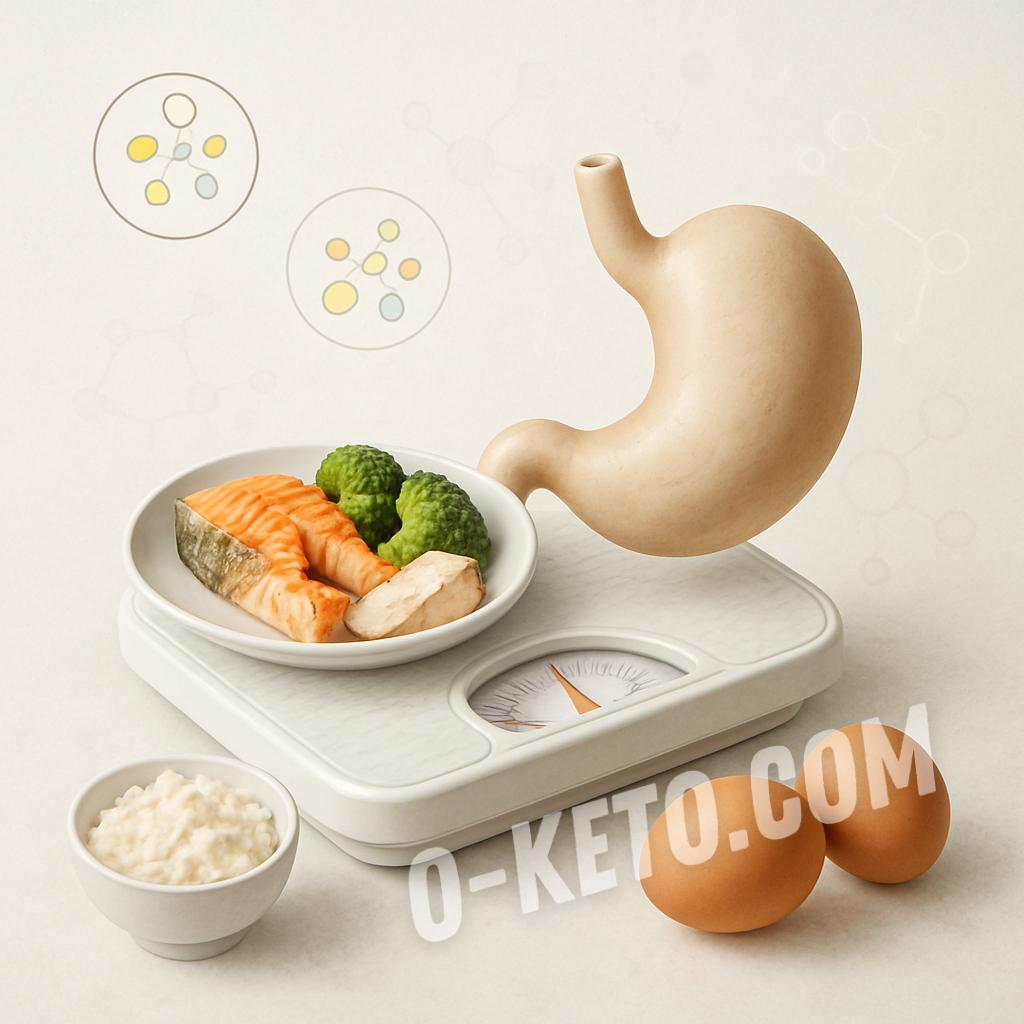
A hypocaloric diet is an eating pattern in which a person consumes less energy than they expend. This deficit is used to reduce fat mass, improve metabolic markers, lower joint load, and prepare for some medical goals. But a deficit is a tool, not a virtue by itself. Cutting calories too aggressively can worsen sleep, mood, libido, training recovery, thyroid signaling, bile flow, the menstrual cycle, muscle mass, and the relationship with food. Deficit size, protein, nutrients, duration, and the person’s condition all matter.
How a deficit works
Fat loss requires a negative energy balance, but the body is not a simple calculator. When calories fall, appetite, spontaneous activity, thermogenesis, sleep, training output, and water retention can change. On the scale this looks uneven: several days may show no movement, then water drops, then another plateau appears. In women, the menstrual cycle, salt, stress, and bowel contents add more noise. A hypocaloric diet is therefore better judged by trends over weeks, waist size, well-being, strength, and food behavior rather than one morning number.
A moderate deficit is usually more tolerable than an aggressive one. The lower the calories, the higher the risk of muscle loss, binge episodes, obsessive hunger, and deficiencies. People with a large amount of excess weight may sometimes start with a more noticeable deficit, but this does not mean everyone should eat as little as possible. Normal body weight, high training load, pregnancy, lactation, eating disorders, adolescence, and chronic illness make harsh dieting especially risky.
Protein and muscle
The main protection in a deficit is adequate protein and resistance training. Protein supports muscle, immunity, enzymes, skin, hair, satiety, and recovery. On a low-carbohydrate diet, protein is especially important because part of energy comes from fat and carbohydrate is restricted. If a person cuts calories by cutting protein and lives on salads, coffee, and fats, weight may fall, but the quality of loss will be poor. Strength training gives the body a signal to preserve muscle tissue.
Fat should not be eliminated either. It is needed for bile, absorption of fat-soluble vitamins, hormonal context, and taste. But in a keto deficit, the opposite mistake is common: adding large amounts of butter, cream, nuts, and fatty sauces while assuming fat does not count. The deficit disappears. A workable diet usually starts with protein, then adds vegetables, greens, and fat according to the goal, not the other way around.
Keto and hypocaloric eating
Keto can make a deficit easier through satiety, steadier glucose, and fewer food triggers. It does not cancel energy balance. If weight has not decreased for months, calorie-dense additions, nuts, cheese, cream, alcohol, snacks, and portion sizes should be reviewed. If weight drops too fast and weakness, insomnia, hair shedding, constipation, coldness, irritability, and loss of strength appear, the deficit may be excessive or poorly built.
Electrolytes matter on low carbohydrate intake. In the first weeks, more water and sodium are lost, so dizziness and weakness do not always mean too few calories. But exhaustion cannot be treated endlessly with salt. If a person eats too little, salt will not replace food. Potassium, magnesium, fluid, protein, and adequate overall intake should be considered together.
How to do it more safely
A good deficit leaves room for life: sleeping, working, training, not thinking about food every minute, and not losing control every weekend. In practice, this means clear meals, protein at each main meal, vegetables and greens, controlled fats, adequate salt on keto, a plan for restaurants and holidays, and maintenance phases during long weight loss. Maintenance is not failure. It allows the nervous system, hormones, and behavior to adapt.
Monitoring includes weight trend, waist, blood pressure, glucose, lipids, well-being, sleep, strength, menstrual cycle in women, and signs of deficiency. If diabetes and glucose-lowering medications are present, a calorie deficit and low carbohydrate intake may require treatment adjustment to avoid hypoglycemia. If gallstones are present, very rapid weight loss can worsen the situation. A hypocaloric diet should therefore be a tuned tool with a clear goal and exit strategy, not a punishment.
If you have any questions about the term "Hypocaloric diet", you can ask them to AI. Please note, a low-cost OpenAI model is used. It may answer questions about disease treatment with errors!


 1 / 4
1 / 4


 1 / 4
1 / 4 1 / 4
1 / 4 1 / 4
1 / 4 1 / 4
1 / 4