


E127 (erythrosine)
Erythrosine E127 is a synthetic pink-red colorant with an iodinated structure, so it should not be described as just another red dye. In low-carb eating it is not a carbohydrate, but it matters as a marker of processed sweet products and as a reason to consider thyroid and sensitivity context.
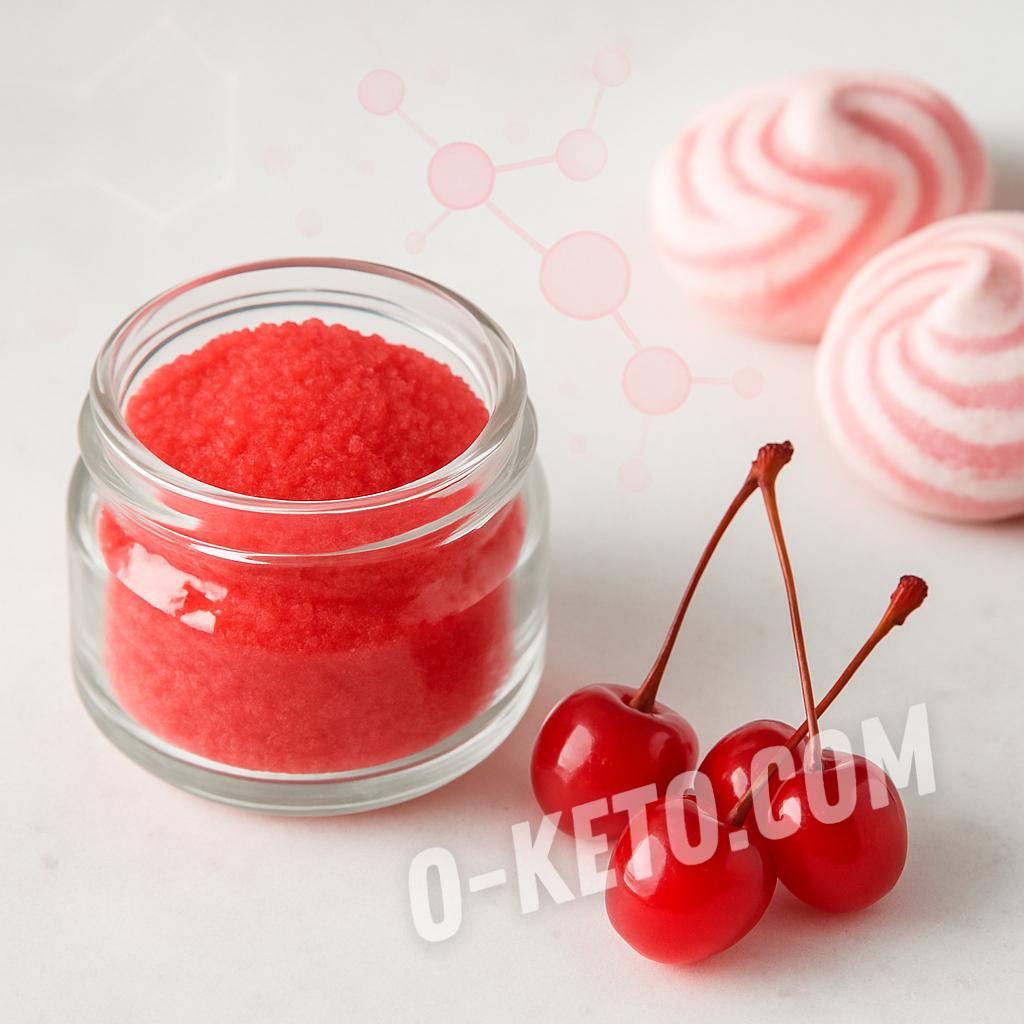
E127 is erythrosine, a synthetic pink-red colorant also known as Red 3. It gives bright pink, red, and cherry shades to sweets, decorative products, some desserts, drinks, chewing forms, and supplements. Unlike many other colorants, erythrosine has an iodinated structure, so it should not be described simply as another red E number. Its food role is still technological: to create color. But evaluation should consider not only product appearance, but also the regulatory and thyroid-related context.
What this colorant is
Erythrosine belongs to synthetic xanthene dyes, not to azo dyes such as E102, E110, E122, or E129. That already separates it from many bright red and yellow additives. It is visible through a strong pink-red color often used in glazes, candies, decorative coatings, and products with a cherry or berry image. The colorant does not add berries, protein, vitamins, or health value. It manages visual expectation: a person sees the color and reads the product as sweet, fruity, festive, or child-oriented.
Where E127 is found
E127 may appear in brightly colored confectionery, coated candies, glazes, decorative cherries, syrups, drinks, jellies, lozenges, and some medicinal or supplement forms. On real labels it may appear next to sugar, syrups, starch, acids, flavorings, other colors, and preservatives. For low-carb nutrition, these neighboring ingredients usually determine whether the product fits. Erythrosine itself is not sugar, but products containing it are often sold through bright sweetness and decorative effect.
Relevance for keto and LCHF
E127 is not a carbohydrate and should not directly raise glucose. But low-carb evaluation does not end there. If a product with erythrosine contains sugar, flour, starch, maltodextrin, or syrups, it may fit keto poorly regardless of the colorant. If a product is sugar-free but very sweet, bright, and used often, it may maintain dessert cravings. E127 is therefore best read as a technological marker: it is not the main carbohydrate risk, but it is often found in products that require strict evaluation of ingredients and frequency of use.
Thyroid context
Erythrosine contains iodine in its chemical structure, which is why evaluations have discussed thyroid hormone regulation and animal data separately. This does not mean a trace amount of E127 in a food automatically disrupts thyroid function. But it is also inaccurate to write about it as a neutral red color. People with thyroid disease, high iodine intake, thyroid medication use, or concern about iodine-containing substances have reason not to make bright E127 products a daily habit and to discuss questionable additives with a clinician when needed.
Sensitivity and personal evaluation
Like other bright colorants, E127 may be part of a product that causes symptoms, although it is not always the only cause. Acids, flavorings, preservatives, sugar, polyols, caffeine, or several colors may also be present. If itching, rash, headache, digestive discomfort, or unusual reactions repeat after pink or red sweets, syrups, or lozenges, it is useful to record exact E numbers and compare products. This is better than a broad conclusion such as “all red foods are bad for me.” Erythrosine is a specific colorant with its own chemistry and should be assessed specifically.
Practical conclusion
E127 is not a carbohydrate source, but it is not a faceless colorant either. For keto and LCHF, the whole product matters most: sugar, starch, sweeteners, acids, flavorings, and frequency of use. For people with sensitivity or thyroid concerns, erythrosine deserves extra attention. If the product is occasional, the ingredient list is clear, and tolerance is good, E127 may be secondary. If daily bright sweets, drinks, or decorative products are involved, simpler food is a better choice and color should not be allowed to drive decisions.
If you have any questions about the term "E127 (erythrosine)", you can ask them to AI. Please note, a low-cost OpenAI model is used. It may answer questions about disease treatment with errors!


 1 / 4
1 / 4 1 / 4
1 / 4

 1 / 4
1 / 4 1 / 4
1 / 4