


E150c (caramel III, ammonium caramel)
Ammonia caramel E150c is a class III brown colourant used for stable dark shades; nutritionally, colour must be separated from sugar, flavour and nutrient value.
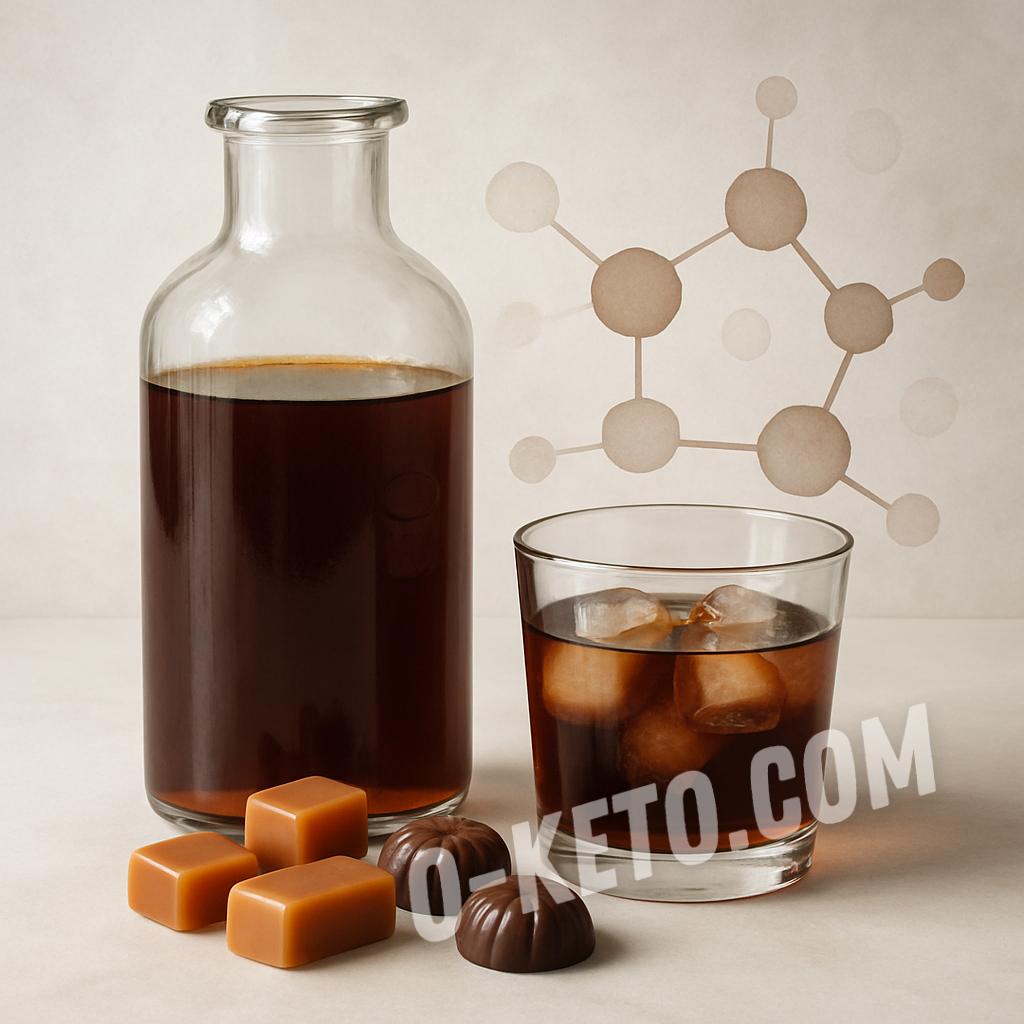
E150c, or ammonia caramel, is a class III caramel food colour. It is produced by heating carbohydrate raw materials with ammonium compounds, but without the sulphite reagents characteristic of E150d. In foods, E150c is used for a stable brown colour. It helps make a drink, sauce, dessert or prepared mix look darker, more even and more familiar to the buyer.
The name may sound as if the product contains sweet caramel, but that is not the meaning on an ingredient list. E150c usually acts as a colourant, not as sugar or a flavouring. It can strengthen the expectation of caramel, roasted or rich flavour because dark colour affects perception. The nutritional value of the food, however, depends on protein, fats, carbohydrate, minerals and the full recipe, not on the shade.
The feature of ammonia caramel
Caramel colour classes differ by manufacturing process. E150c is linked with ammonium processing, E150b with sulphite processing, E150d with sulphite-ammonia processing, and E150a is plain caramel. These differences matter because each class has its own chemical profile, colour intensity, compatibility with foods and substances controlled in specifications.
For consumers, caramel colour does not always mean the same thing. In drinks, sauces and confectionery, a manufacturer chooses a particular class for a technological reason. E150c may be convenient when a strong dark shade and colour stability are needed. That convenience for production should not be confused with a health benefit.
Where it appears
E150c may appear in dark drinks, sweet and savoury sauces, desserts, confectionery, prepared mixes, some meat and bouillon products, flavoured goods and other foods where a brown shade is important. Colour is often used to create an impression of depth, roasting, ageing or richness, even when the actual flavour comes from flavourings, acids, salt, sugar or sweeteners.
Brown colour is not proof of naturalness. A product may look aged or roasted while remaining a mixture of water, thickener, flavouring, colour and sugar. Conversely, a product with a small amount of E150c may be fairly neutral for carbohydrate if it is used in a small serving and does not contain a sweet base. Context and quantity matter more than the colour code alone.
Safety and 4-MEI
When ammonia caramels are discussed, 4-methylimidazole, or 4-MEI, is often mentioned as a possible processing by-product. EFSA considered such questions in its re-evaluation of caramel colours. Practically, this means that specifications, production control and real intake levels matter more than the everyday association with the word ammonia.
It is not useful to conclude that every product with E150c is dangerous. It is also not accurate to treat it as natural homemade caramel. It is an industrial colourant whose safety depends on regulatory control and dose. The more often a person consumes dark sweet drinks, sauces and ultra-processed products, the more reasonable it is to reduce that pattern, even if one dye is not the only issue.
Keto and low-carbohydrate eating
E150c should not meaningfully add carbohydrate at normal colourant levels. The products containing it, however, may be carbohydrate-rich: sweet drinks, dessert sauces, glazes, syrups, prepared marinades and confectionery mixes. For LCHF, sugar, molasses, glucose syrup, starch, flour, fruit concentrates and maltodextrin are the ingredients that change glycaemic load much more than the colourant.
On the other hand, a dark savoury product with E150c does not automatically break a low-carbohydrate diet. Serving size and composition matter. A sauce used by the teaspoon and a drink consumed by the glass create different situations. If a product triggers cravings, replaces real food or causes digestive discomfort, it may deserve limitation regardless of the carbohydrate number on the table.
Practical assessment
The best way to assess E150c is to read the label to the end rather than argue with the name. If it is a colourant near the end of the list and the product is consumed rarely, it is rarely the main factor. If brown colour is accompanied by sugar, syrups, thickeners, flavourings and large servings, the product belongs to the world of processed sweet or semi-sweet foods.
A diet should not rely on products where colour creates an illusion of richness. Real richness comes from protein, fat, minerals, fibre and sufficient food volume. E150c can make a product look familiar, but it does not add nutrient density and does not turn an industrial sauce or drink into a complete food.
If you have any questions about the term "E150c (caramel III, ammonium caramel)", you can ask them to AI. Please note, a low-cost OpenAI model is used. It may answer questions about disease treatment with errors!


 1 / 4
1 / 4 1 / 4
1 / 4 1 / 4
1 / 4 1 / 4
1 / 4 1 / 4
1 / 4 1 / 4
1 / 4