


Digestive organs
The organ system that receives food, breaks down proteins, fats and carbohydrates, absorbs nutrients and regulates bile, enzymes, motility, microbiota and the intestinal barrier. Its function affects not only stool, but energy, deficiencies, inflammation and diet tolerance.
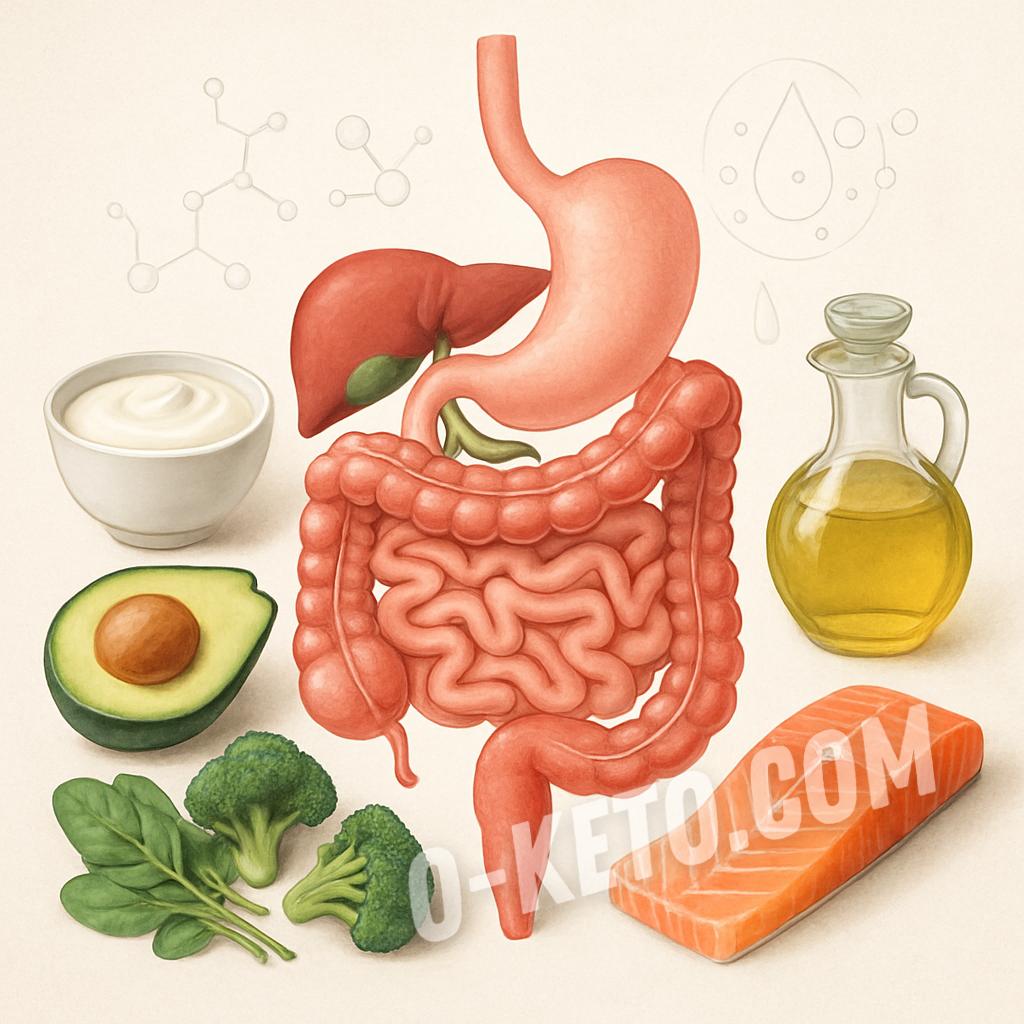
The digestive organs form the system that receives food, mechanically and chemically processes it, breaks down proteins, fats and carbohydrates, absorbs nutrients and removes what the body does not need. This system includes the mouth, salivary glands, esophagus, stomach, small and large intestine, liver, gallbladder, pancreas and the related nervous, hormonal and immune mechanisms.
Digestion is not only about stool or stomach acidity. It influences protein status, absorption of iron, B12, fat-soluble vitamins and minerals, tolerance of fats and fiber, inflammatory tone, the microbiota and energy stability after meals. If food is not broken down and absorbed properly, even an ideal diet on paper may not produce the expected result.
Mouth, stomach and the first stage
Digestion begins in the mouth: chewing breaks food apart, saliva moistens it and starts early enzymatic processing. Poor chewing, rushed meals and constant tension weaken preparation for later stages. The stomach mixes food, uses acid and enzymes, helps digest protein and protects against some microbes.
Low acidity, chronic gastritis, long-term acid-suppressing medication, stomach surgery or autoimmune gastritis can impair absorption of B12, iron, calcium and protein. But heartburn does not always mean excess acid, and heaviness after meals is not always treated with acid. Context matters: symptoms, medications, tests, age and mucosal state.
Bile, pancreas and fats
The liver produces bile, the gallbladder stores and concentrates it, and the pancreas releases enzymes for digesting proteins, fats and carbohydrates. Bile is especially important for emulsifying fats and absorbing vitamins A, D, E and K. If bile or enzymes are insufficient, fatty food may cause heaviness, nausea, bloating, pale greasy stool or diarrhea.
On keto and LCHF, the demand for fat digestion often increases. This is not bad by itself, but abruptly adding butter, cream, nuts and fatty sauces can be difficult with gallstones, gallbladder removal, pancreatitis or enzyme insufficiency. Sometimes the diet needs gradual adjustment rather than adding fat only to meet macros.
Intestine, microbiota and barrier
The small intestine is responsible for most nutrient absorption. The large intestine works with water, electrolytes, food residues and the microbiota. The microbiota ferments some fibers, produces short-chain fatty acids and influences the mucosa, immune regulation and food tolerance. But the microbiota does not live separately from the host; bile, motility, sleep, stress, medications and food composition all shape it.
The intestinal barrier should allow nutrients through while keeping toxins, pathogens and excessive inflammatory signals out. In inflammatory bowel disease, celiac disease, infections, alcohol use, some medications and chronic stress, the barrier may suffer. This is not a reason to self-diagnose by a fashionable phrase, but persistent diarrhea, blood, weight loss, anemia or nighttime symptoms deserve evaluation.
Low-carbohydrate eating and digestion
A low-carbohydrate diet often reduces gas in people sensitive to sugar, flour, excess fructose or some FODMAP foods. In others, a sudden reduction in fiber, water and sodium causes constipation. On LCHF, it is therefore important not only to remove carbohydrates, but also to keep tolerated vegetables, greens, fermented foods, enough fluid, sodium and magnesium.
Protein requires adequate acid, enzymes and motility. Fat requires bile. Fiber requires microbial and motility tolerance. If a diet change leads to persistent pain, vomiting, marked diarrhea, greasy stool or severe weakness, this is not just adaptation; it is a reason to check digestion.
When diagnosis is needed
Medical evaluation is needed with blood in stool, black stool, unexplained weight loss, persistent pain, repeated vomiting, progressive anemia, nighttime diarrhea, fever, jaundice, difficulty swallowing, severe pain under the right ribs or suspected pancreatitis. These signs should not be covered with a random probiotic or enzymes.
Practical support starts with simple things: chew, eat in a calmer state, get enough protein, do not abruptly overload fats, monitor stool, treat infections and inflammation, use medications carefully and check deficiencies. Good digestion does not mean having no symptoms after any food; it means reliably absorbing a diet that suits the person.
If you have any questions about the term "Digestive organs", you can ask them to AI. Please note, a low-cost OpenAI model is used. It may answer questions about disease treatment with errors!


 1 / 4
1 / 4


 1 / 4
1 / 4 1 / 4
1 / 4 1 / 4
1 / 4