


End-stage renal disease
The late stage of chronic kidney disease in which kidney function is no longer sufficient to safely remove fluid, potassium, phosphorus, acids, and metabolic waste. Nutrition must be individualized with a nephrologist, dialysis team, and current laboratory results.




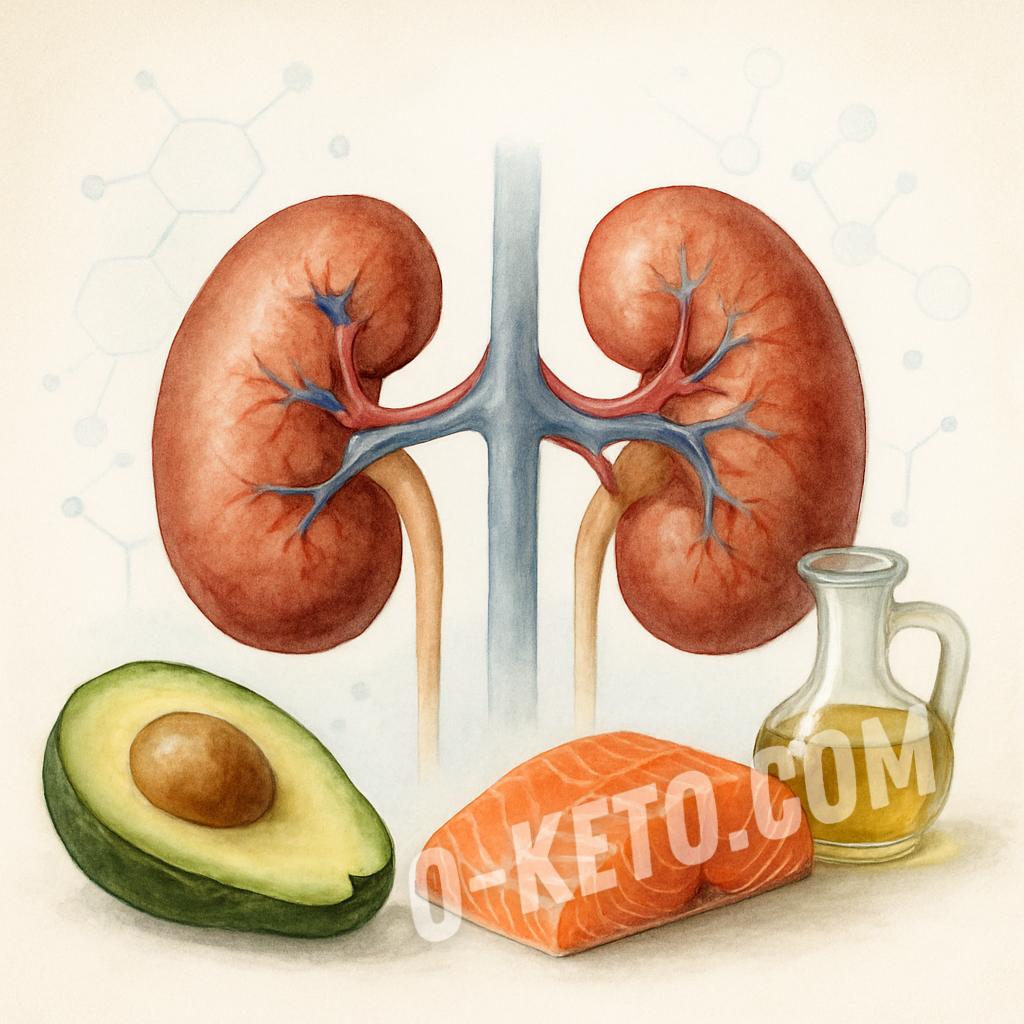
End-stage renal disease is the late stage of chronic kidney disease in which the kidneys can no longer safely maintain blood chemistry, fluid balance, acid-base status, and removal of metabolic waste. It usually involves very low glomerular filtration and the need for kidney replacement therapy: hemodialysis, peritoneal dialysis, or kidney transplantation. This is not a condition that can be corrected with an ordinary diet plan or a supplement.
The kidneys regulate potassium, sodium, phosphorus, acidity, fluid volume, blood pressure, active vitamin D, erythropoietin, and the clearance of many medications. When function is severely reduced, small mistakes in food or medication can have serious consequences. Excess potassium can disturb heart rhythm, excess fluid can cause swelling and breathlessness, excess phosphorus can damage bone and blood vessels, and uremic toxins can cause weakness, nausea, itching, poor sleep, and cognitive changes.
Dialysis and transplantation
Dialysis partially replaces kidney function, but it does not make a person completely healthy between treatments. Hemodialysis is usually performed several times per week and requires attention to fluid, potassium, phosphorus, protein, blood pressure, and vascular access. Peritoneal dialysis uses the abdominal cavity and has its own requirements for sterility, glucose exposure from dialysis solutions, protein intake, and infection risk. Transplantation can greatly improve quality of life, but it requires immunosuppressive medication and ongoing monitoring.
Nutrition in end-stage renal disease depends on whether dialysis has started, which dialysis method is used, whether urine output remains, and what the levels of potassium, phosphorus, albumin, urea, creatinine, bicarbonate, hemoglobin, and parathyroid hormone show. A universal allowed-forbidden table is dangerous here. One patient may need more protein because of dialysis losses, another may need stricter potassium or fluid limits, and another may need phosphate binders and closer control of bone-mineral metabolism.
Protein, potassium, and phosphorus
Before dialysis, protein may sometimes be restricted in chronic kidney disease to reduce nitrogen load. After dialysis begins, the situation often changes: amino acid losses and inflammation increase the risk of protein-energy wasting. Cutting protein on one’s own “for the kidneys” at this stage can lead to muscle loss, weakness, low albumin, poor wound healing, and worse tolerance of dialysis.
Potassium and phosphorus require separate control. On keto, many otherwise healthy foods are rich in potassium: avocado, greens, nuts, seeds, and some vegetables. In end-stage renal disease, these can be dangerous if blood potassium is high or dialysis is not removing enough. Phosphorus is present in meat, fish, dairy, nuts, seeds, and especially phosphate additives in processed foods. Protein choices must therefore consider not only carbohydrates but also phosphorus, potassium, sodium, and prescribed medications.
Keto and low-carbohydrate eating
End-stage renal disease is not a setting for unsupervised strict keto. A low-carbohydrate approach may be discussed for selected patients, for example in diabetes, but only with a nephrologist and renal dietitian who can see laboratory results and the dialysis schedule. A sharp reduction in carbohydrates can change glucose, blood pressure, appetite, body weight, medication needs, and electrolytes. With little urine output, even changes in water and salt can become sensitive.
Fasting, aggressive weight loss, uncalculated high-protein diets, potassium-based salt substitutes, magnesium and potassium supplements, high-dose vitamin C, unsupervised creatine, herbal diuretic teas, and cleansing protocols are especially risky. Many supplements are cleared by the kidneys or alter electrolytes. What is harmless for someone with normal kidney function may be dangerous in end-stage renal disease.
Symptoms and urgent situations
Urgent help is needed for severe shortness of breath, chest pain, profound weakness, confusion, fainting, palpitations, muscle weakness that may suggest high potassium, rapid weight gain from fluid, uncontrolled blood pressure, fever, signs of infection at a dialysis access site, or abdominal pain during peritoneal dialysis. These are not symptoms to treat by changing the menu.
Everyday safety depends on regular laboratory monitoring, adherence to the dialysis schedule, accurate medication use, fluid control, salt control, potassium and phosphorus management, and adequate nutrition. A patient needs to know personal limits rather than copy someone else’s diet. Even the list of vegetables, the amount of water, and the protein target should be tied to labs, dialysis type, remaining kidney function, and treatment goals.
Practical conclusion
End-stage renal disease requires teamwork rather than dietary heroics. The nephrologist, dialysis nurse, renal dietitian, cardiologist, and patient need to work from the same picture: laboratory results, blood pressure, weight between treatments, appetite, symptoms, and medications. Low-carbohydrate eating may be a topic for discussion, but not an independent experiment. The main goal is not high ketones, but electrolyte safety, adequate nutrition, fluid control, and the best possible quality of life.
If you have any questions about the term "End-stage renal disease", you can ask them to AI. Please note, a low-cost OpenAI model is used. It may answer questions about disease treatment with errors!


 1 / 4
1 / 4 1 / 4
1 / 4 1 / 4
1 / 4 1 / 4
1 / 4
 1 / 4
1 / 4
