


Thiamine (vitamin B1)
Vitamin B1 is required for converting carbohydrates and some amino acids into usable energy and for normal nerve, heart, and brain function. Alcohol, vomiting, bariatric surgery, diuretics, high carbohydrate load, severe illness, and nutrient-poor diets raise deficiency risk.
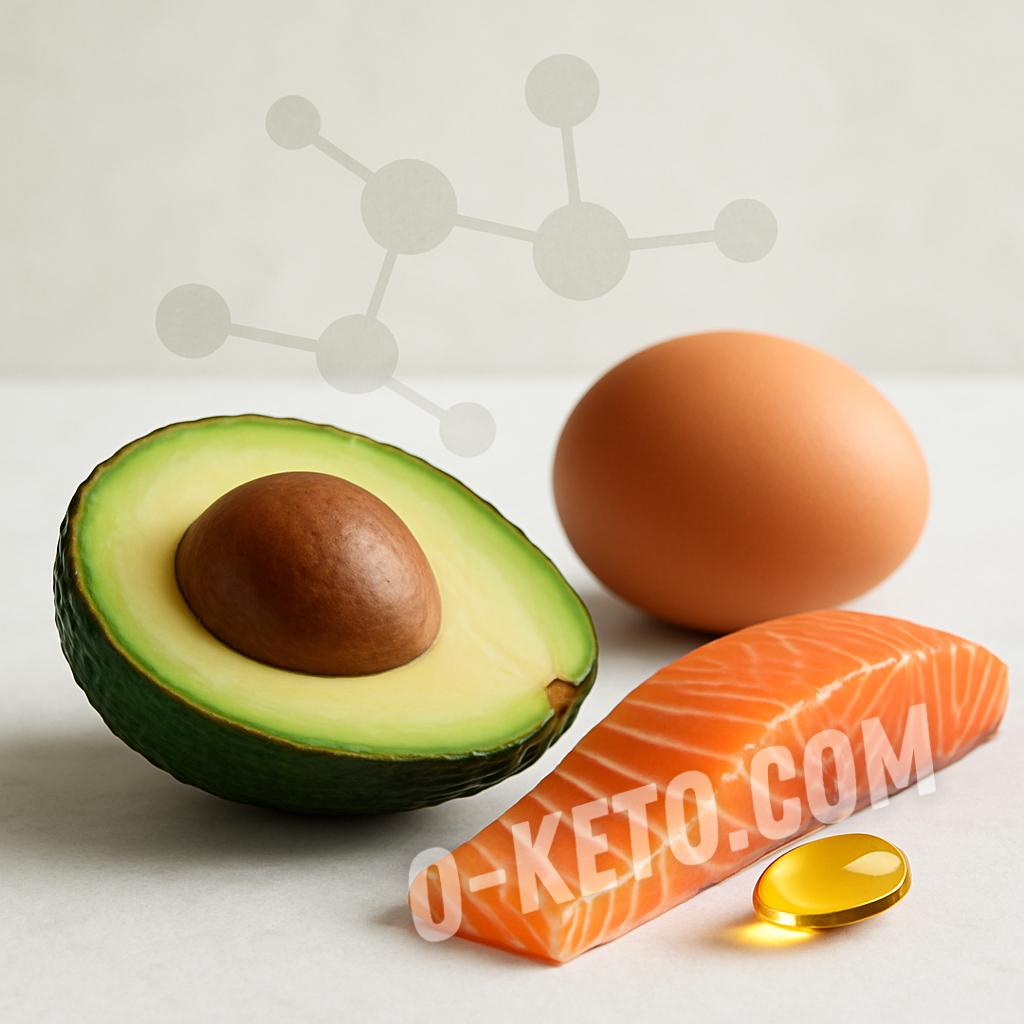
Thiamine, or vitamin B1, is a water-soluble vitamin required for energy metabolism, the nervous system, the heart, and the brain. Its active form, thiamine pyrophosphate, acts as a cofactor for enzymes that help turn glucose and some amino acids into usable energy. Deficiency therefore affects high-energy tissues quickly, especially the brain, nerves, heart muscle, and skeletal muscles.
The body stores only small amounts of thiamine, while needs rise with high carbohydrate intake, alcohol, severe illness, vomiting, pregnancy, lactation, intense training, and recovery after surgery. Unlike fat-soluble vitamins, thiamine cannot be stored for long periods. If intake and absorption fall, symptoms can develop relatively quickly.
Why it is needed
Thiamine participates in pyruvate dehydrogenase, alpha-ketoglutarate dehydrogenase, and transketolase. Behind these technical names is ordinary physiology: cells need to produce energy from food, maintain the Krebs cycle, support the pentose phosphate pathway, handle oxidative stress, and keep nerve membranes working. Without enough thiamine, carbohydrates enter energy metabolism less efficiently and intermediate products may accumulate.
The nervous system is especially sensitive. Deficiency may cause weakness, irritability, poor concentration, numbness, burning feet, impaired coordination, palpitations, swelling, shortness of breath, and muscle weakness. These symptoms are nonspecific, but when risk factors are present, thiamine should be considered early because severe deficiency can be dangerous.
Alcohol, vomiting, and Wernicke syndrome
Alcohol reduces thiamine absorption, interferes with its conversion to the active form, worsens diet quality, and increases the risk of neurological complications. Wernicke syndrome is an acute thiamine-deficiency state that may involve confusion, coordination problems, eye movement abnormalities, and altered consciousness. This is not a situation for waiting on diet changes or casual testing. It requires urgent medical care and thiamine treatment.
The risk is not limited to alcoholism. Prolonged vomiting, severe pregnancy nausea, bariatric surgery, fasting, eating disorders, cancer, long-term parenteral nutrition without vitamins, and severe infections can also lead to dangerous deficiency. In medical settings, patients at risk of thiamine deficiency often need thiamine before large glucose loads because glucose metabolism increases the need for it.
Food, keto, and carbohydrates
Thiamine is found in pork, liver, fish, eggs, nuts, seeds, legumes, whole grains, and some fortified foods. On keto and LCHF, grains and legumes are often limited, but pork, liver, fish, eggs, nuts, and seeds can provide vitamin B1. Problems arise when a low-carbohydrate diet is poor in whole foods and built from coffee, fats, processed snacks, and too little protein.
Lower carbohydrate intake may reduce the need for thiamine in glucose processing, but it does not remove the needs of the nervous system and mitochondria. In diabetes, diuretic use, high stress, active training, or poor gut absorption, deficiency risk may remain. Low carbohydrate eating should not be used as an excuse for micronutrient-poor nutrition.
Supplements and forms
Supplements may contain thiamine hydrochloride, thiamine mononitrate, benfotiamine, or other forms. Benfotiamine is more fat-soluble and is often discussed in diabetic neuropathy, but that does not make it a universal treatment for pain or numbness. With significant symptoms, alcohol risk, vomiting, bariatric surgery, or suspected Wernicke syndrome, medical dosing and sometimes parenteral treatment are needed rather than an ordinary vitamin complex.
Thiamine is generally considered safe, but that is not a reason to raise doses endlessly without a purpose. If symptoms are caused by B12 deficiency, diabetic neuropathy, thyroid disease, anemia, medication, or circulation problems, B1 alone will not solve them. Tests and clinical context help distinguish deficiency from problems that need different evaluation.
Practical conclusion
Thiamine is a basic vitamin of energy metabolism, especially important for the brain, nerves, and heart. On low-carbohydrate nutrition it can be obtained from real animal foods, nuts, and seeds, but deficiency risk remains with alcohol, vomiting, gastrointestinal surgery, diuretics, severe illness, and poor diet quality. With neurological symptoms and risk factors, thiamine should be considered early because severe deficiency is dangerous and responds well to timely correction.
If you have any questions about the term "Thiamine (vitamin B1)", you can ask them to AI. Please note, a low-cost OpenAI model is used. It may answer questions about disease treatment with errors!


