
Caviar looks like a simple festive product only until the first disappointing purchase. On the shelf, many jars seem almost identical, yet the quality inside can be very different. One jar holds firm glossy eggs with a clean aroma, while another turns out watery, overly salty, or sharply fishy. For a festive table, it helps to choose caviar by a few practical quality signals rather than by price or branding alone.
First decide what kind of caviar you need
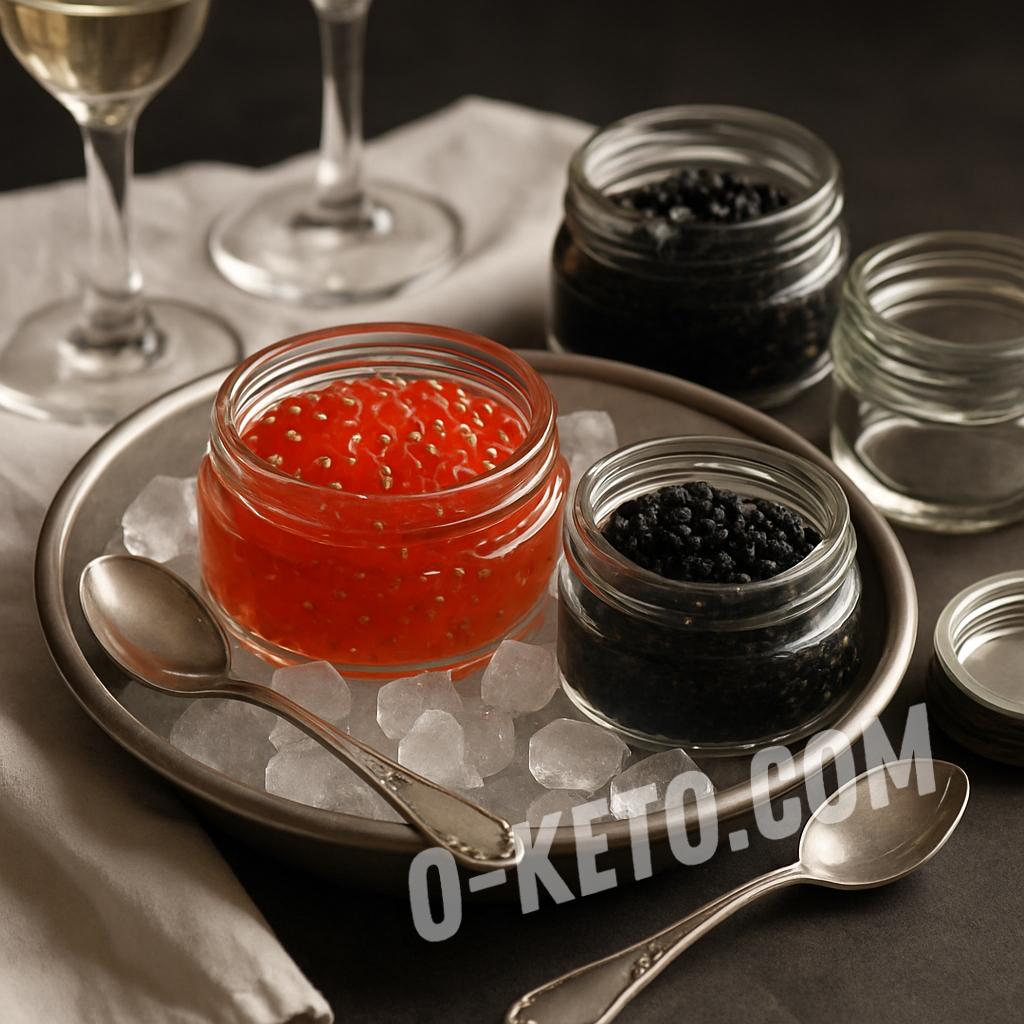
Before buying, think about how you plan to serve it. If you want caviar for small sandwiches, canapes, or spoon service over ice, it is better to choose roe with intact resilient eggs and moderate salinity. If the roe will go into tartlets, stuffed eggs, or a cream-cheese mixture, good structure still matters, but tiny cosmetic defects are less important. For home entertaining, red caviar is usually the most versatile choice, while black, pike, or cod roe is more often bought for a specific flavor or presentation style.
It also helps to remember that different kinds of caviar differ in more than price. Red caviar gives the most familiar festive taste and pairs easily with eggs, cream cheese, and fish. Black caviar is usually more delicate and is best served with fewer competing flavors. Pike roe is often drier, finer, and saltier, so it works best with very simple neutral bases.
Read more than the product name
On the label, four things matter most: the type of roe, the ingredient list, the shelf life, and the storage format. A good ingredient list is short: roe, salt, and, when needed, an allowed preservative. The presence of a preservative does not automatically mean poor quality. In chilled roe, it is often a normal way to preserve the product for a reasonable time. More suspicious is a long list of unnecessary additives, flavorings, thickeners, or vague taste enhancers.
It is also important to understand whether the product is chilled, pasteurized, or salted and frozen. Well-frozen roe can still be good if it was stored correctly and not repeatedly thawed. For a holiday purchase, that may be safer than anonymous loose roe without a clear date or storage history. Fresh chilled roe often tastes more delicate, but it also has a shorter shelf life and a greater chance of having sat too long in display storage.
What quality inspections have shown
Even a neat-looking jar does not guarantee that all product information is reliable. In a 2021 follow-up inspection of salmon roe, Roskachestvo found microbiological violations in 17 of the 21 products tested. Separate samples contained the prohibited preservative urotropine and the undeclared color additive E110. These were findings from a specific sample, not proof that every product on the market is unsafe, but they show why taste and appearance alone are not enough.
When choosing roe, look beyond the words “salmon roe” and check the exact product name, ingredients, producer, date, storage conditions and package integrity. The wording “fish roe product” may indicate a product containing imitation roe, so it should not be treated as a complete synonym for natural roe. After opening, check smell and texture, but remember that some microbiological and chemical hazards cannot be reliably detected at home.
The practical conclusion is simple: choose roe from a controlled supply chain and follow the required cold-storage conditions. If the label, date or storage history raises doubts, do not try to “rescue” the product by rinsing it or adding more salt.
What to check after opening the jar
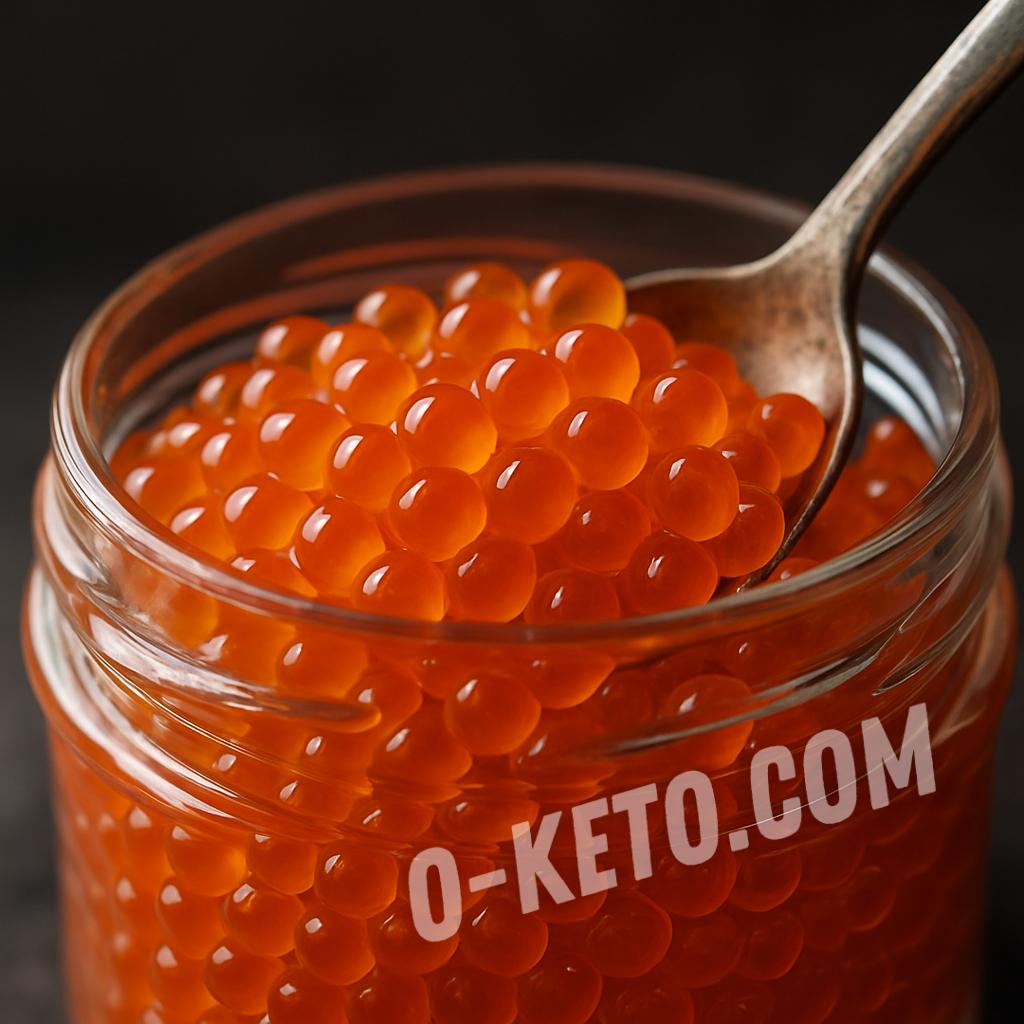
The most important quality check starts after the jar is opened. Good caviar smells clean and fresh: marine, mildly fishy, pleasantly salty. A strong fish smell, rancid fat smell, or a chemical note is a warning sign. The eggs should be mostly intact, without a large amount of broken membranes or cloudy liquid collecting at the bottom.
If the jar contains too much foam, excess brine, clumped masses, or many burst eggs, that usually points to poor storage, rough handling, or weak initial quality. Some liquid is normal, but not too much. The product should not look like a loose paste. For festive presentation, separate well-shaped eggs matter especially, because the taste feels cleaner and the serving looks more elegant.
Is loose caviar worth buying
Loose caviar may seem attractive because you can buy a smaller amount and inspect it visually before purchase. But this is also where the risk is often higher. The buyer may not know when the container was opened, how long it stood in the display, whether the temperature was stable, or whether leftovers from different batches were mixed together. If the seller cannot clearly explain origin and storage conditions, a factory-sealed jar is usually the safer choice.
If you still buy loose caviar, assess the smell immediately, look at the amount of liquid, and pay attention to the integrity of the eggs. The product should not look dull, dried around the edges, or submerged in too much brine. For a small festive table, a modest sealed jar from a reliable producer is often more predictable than a large anonymous tray.
How to store caviar before serving
Even good caviar is easy to spoil at home. Do not keep it at room temperature for long and do not place the whole amount on the table hours in advance. Chill it well before serving, then transfer only a small portion into a serving bowl. It is smarter to leave the main jar in the refrigerator, especially during a long meal when the product will be used gradually.
Once opened, caviar should be eaten fairly quickly. Contact with air, repeated spooning, and warmth all worsen both flavor and texture. If the jar is large, avoid returning the already warmed portion back into it. For a tidy festive setup, it is better to divide the caviar into one or two small containers and refill them as needed.
What really matters in the end
You do not need a complicated professional checklist to buy good caviar. In practice, the most important markers are a short ingredient list, a sensible shelf life, proper storage, a clean aroma after opening, intact eggs, and only a small amount of clear or lightly salted liquid. Good caviar should not be oddly sweet, mushy, or aggressively fishy. If it looks neat, smells fresh, and keeps its shape, it is much more likely to perform well both in festive serving and in simple homemade appetizers.