


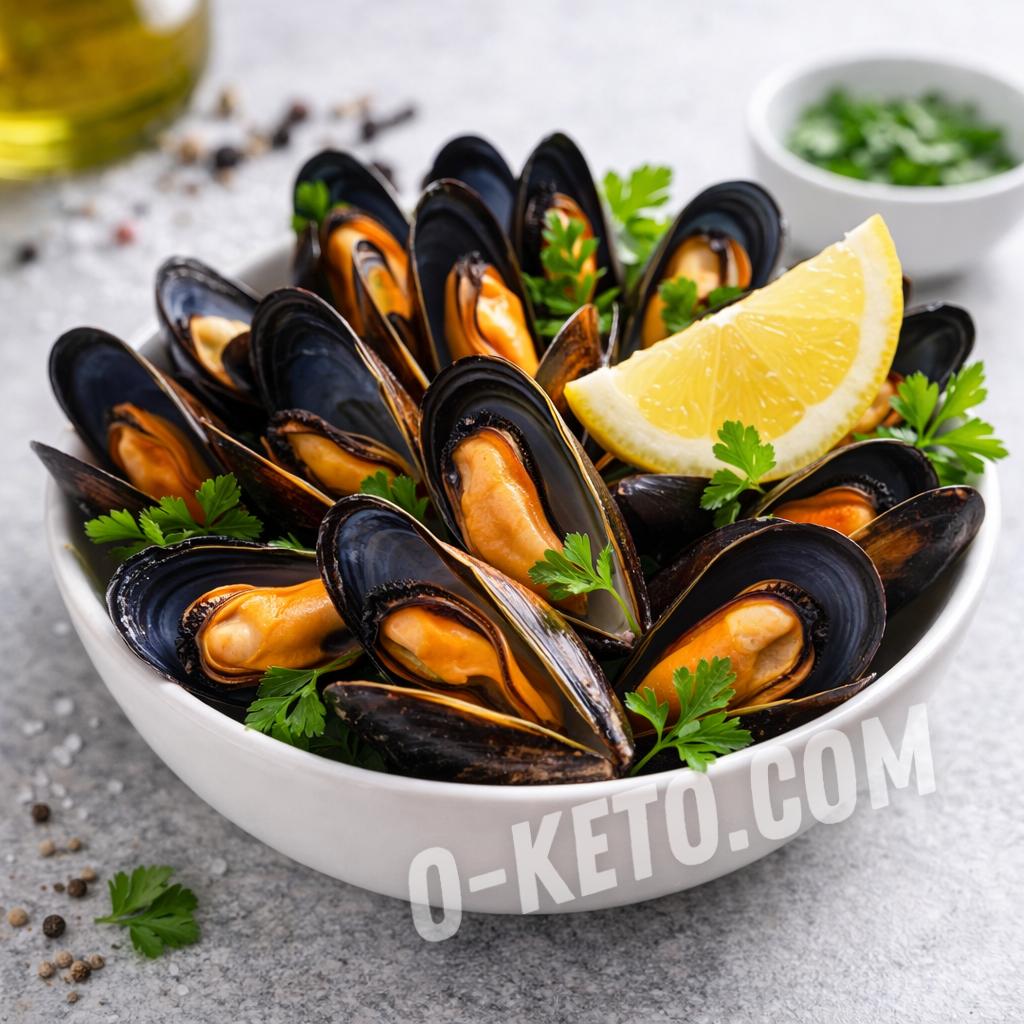

Mussels are one of the most accessible and popular bivalve mollusks.
Today, almost all chilled and frozen mussels are farmed, which allows for control over water quality and product safety.
It is important to consider that different species and formats of mussels require different approaches to cooking.
How to choose mussels
Live mussels. The most valuable option is live mollusks with closed shells. They should be heavy and smell like the sea, without any foreign odors:
- the shells are tightly closed or close when touched;
- no cracks or chips;
- fresh, sea smell;
- when tapped, the shells close.
Open and unresponsive mussels should be discarded before cooking.
Frozen in shells. These are mussels that have been cooked and frozen along with the juices inside the shells. In taste, they are closest to live mussels but only require reheating. When choosing them, pay attention to the following points:
- the ice glaze is thin and transparent;
- the shells are undamaged;
- there is no snow residue in the packaging.
Frozen on the half shell. Most often, these are large New Zealand mussels. They are already cooked and suitable for baking or serving with sauces.
Cooked-frozen meat. The most budget-friendly option. Used in salads, pastas, and soups. Re-cooking is not required — just reheating.
Best cooking methods
Preparation for cooking:
- clean the shells with a brush to remove sand and seaweed;
- remove the “beard” — a tuft of byssus;
- wash under cold water;
- if necessary, soak for 1–2 hours in salted water to remove sand.
For live mussels:
- steaming until the shells open;
- brief boiling;
- frying;
- stewing.
Cook until the shells open — usually 3–5 minutes. Those that do not open after cooking should not be consumed.
For frozen mussels:
- steaming;
- quick stewing;
- baking with sauces;
- blanching.
Best combinations:
- celery;
- cilantro;
- lemon juice;
- white wine;
- beer;
- black pepper;
- chili pepper;
- cream;
- blue cheese;
- tomato sauce;
- coconut milk;
- lemongrass.
Practical recommendations
- do not overcook — mussels become tough;
- do not use too many spices to avoid overpowering the flavor;
- serve immediately after cooking;
- use the juice from the shells as a base for sauce.
Properly chosen and quickly cooked mussels retain their tender texture, natural sweetness, and characteristic sea aroma.


