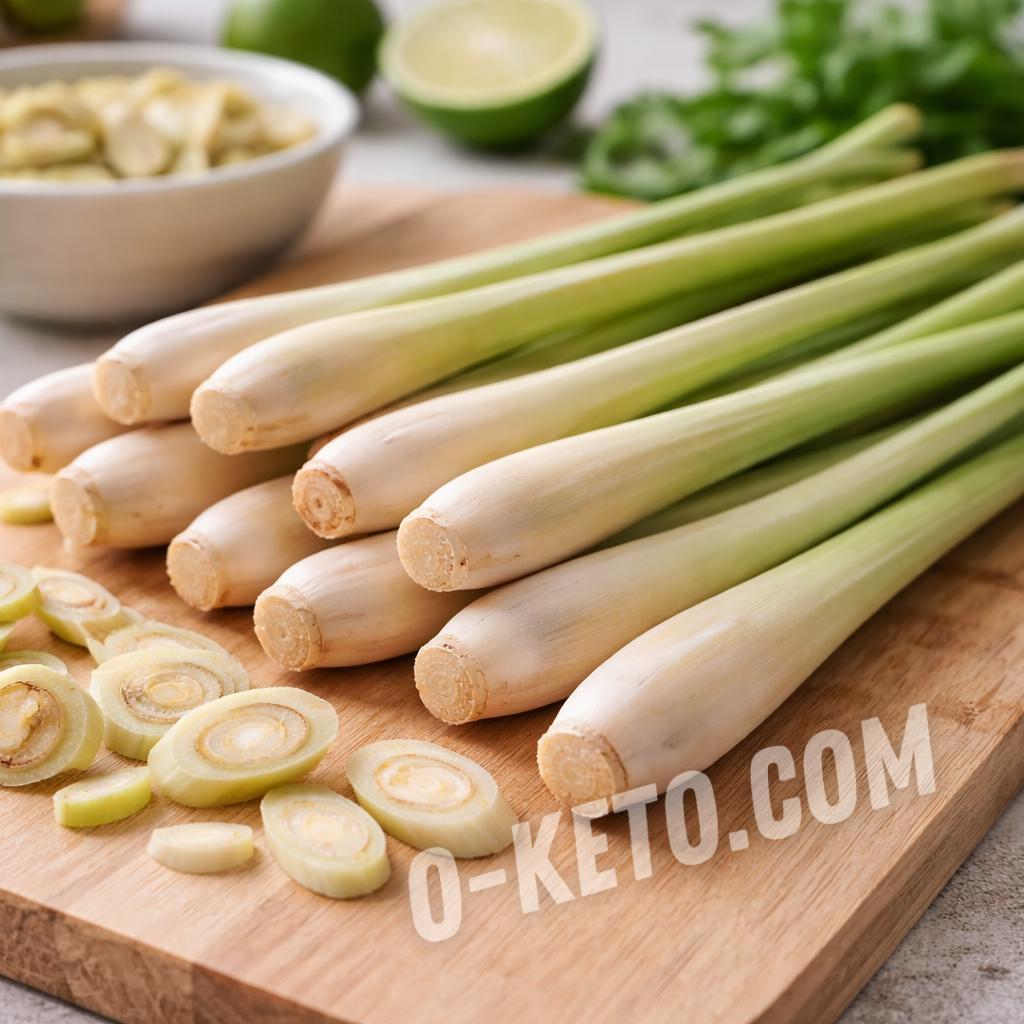

Lemongrass is an aromatic herbaceous plant of the Cymbopogon genus with a bright citrus scent. In cooking, the lower dense part of the stalk is used most often: it is bruised, thinly sliced, or ground into a paste. Leaves and tougher upper parts are more often used for infusions, broths, and flavoring, then usually removed before serving.
The main value of lemongrass in food is aroma. It gives lemon-like freshness without sugar, fruit juice, or sharp acidity. This is why it is common in Thai soups, curries, marinades for fish and poultry, coconut sauces, cold drinks, and herbal tea. The scent comes from essential oils, mainly citral, along with geraniol and limonene.
Nutritional value
Food tables for 100 g of fresh lemongrass may show about 99 kcal, 1–3 g of protein, less than 1 g of fat, about 25 g of carbohydrates, and 2–3 g of fiber. In real cooking, however, almost nobody eats that much. A stalk usually works like a spice: part of the aroma moves into the dish, while fibrous pieces are removed.
In small portions, the carbohydrate load from lemongrass is usually low. What matters more is the recipe around it: unsweetened coconut milk, fish, chicken, seafood, and herbs fit low-carb cooking well, while sweet sauces, juices, and ready-made pastes with sugar can change the whole dish.
Is it suitable for keto?
For keto and LCHF, lemongrass is useful as an aromatic ingredient. It makes flavor brighter without honey, syrup, starchy thickeners, or sweet marinades. It works especially well where freshness is needed: coconut broth, steamed fish, chicken with ginger, shrimp, sauce with lime and chili.
If a ready curry paste or marinade with lemongrass is used, the ingredient list matters. Industrial paste may contain sugar, flour, starch, vegetable oil of unclear quality, or too much salt. Fresh stalks, dried lemongrass, and pure powder are easier to control.
How to use it
A fresh stalk is usually lightly bruised with the flat side of a knife before cooking so it releases aroma faster. For soups and stews, cut it into large pieces and remove before eating because the outer fibers are tough. For pastes and marinades, use only the tender lower part, remove dry outer layers, and slice very thinly across the fibers.
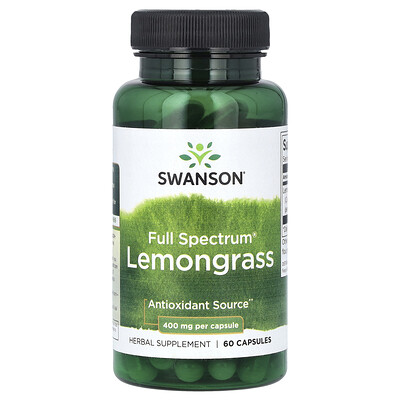
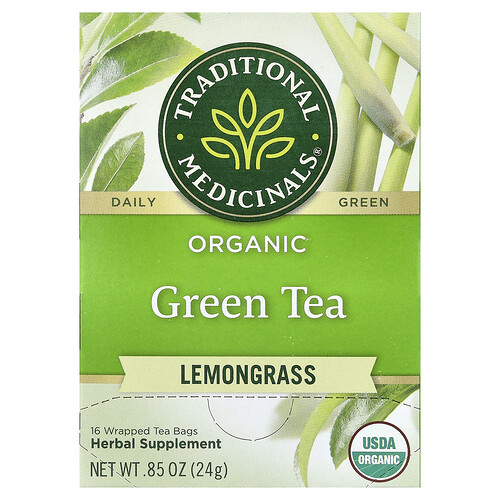
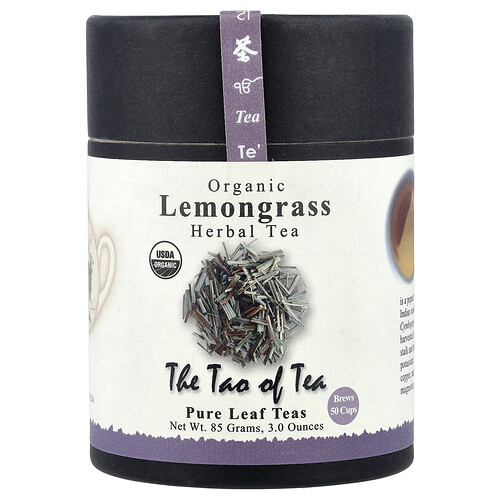
Dried lemongrass has a softer aroma and works better for tea, broth, and long infusion. Powder is convenient in spice blends, but it can become harsh if too much is added. In cold drinks, lemongrass opens best after infusion with mint, ginger, lime, or cucumber.
What to pair it with
Classic pairings are ginger, galangal, garlic, chili, lime, cilantro, basil, coconut milk, fish sauce, chicken, white fish, shrimp, and mushrooms. In gentler dishes, it can go with eggs, cream, green onion, and zucchini, but the portion should be small so the citrus note does not fight the mild base.
In sugar-free sweet-style drinks, lemongrass can replace part of the lemon: it gives citrus aroma without making the taste sharply sour. For keto desserts, it is better infused in cream or coconut milk and then strained.
How to choose
A fresh stalk should be firm, heavy for its size, free of mold, with a dry but not crumbly top. The lower part is usually pale, sometimes with a light purple or greenish shade. Strong wilting, slime, black soft spots, and sour smell mean the product has already lost quality.
Dried lemongrass should smell citrusy and herbal, not dusty. For powder, sealed packaging and quick use after opening matter: essential oils evaporate, and the aroma becomes flat.
Limitations
Lemongrass is rarely eaten in large amounts, but it may irritate a sensitive stomach, especially as very strong tea or in a hot marinade. Caution is needed with individual reactions to essential oils, during pregnancy and breastfeeding, and with concentrated extracts. For ordinary cooking, culinary amounts are enough.
How to store it
Keep fresh stalks in the refrigerator, wrapped in paper or placed in a container. They can be frozen whole or sliced: texture will soften, but aroma for soups and curries will remain. Dried lemongrass and powder should be stored in a tightly closed jar away from light, moisture, and the stove.
What can replace it?
There is no full replacement, but a close option can be chosen by task. For citrus aroma, use lime or lemon zest, kaffir lime leaves, or a little lime juice at the end of cooking. For herbal freshness, mint, cilantro, or basil can work. In Thai soups, it is better to combine the replacement with ginger or galangal so the flavor does not become flat.