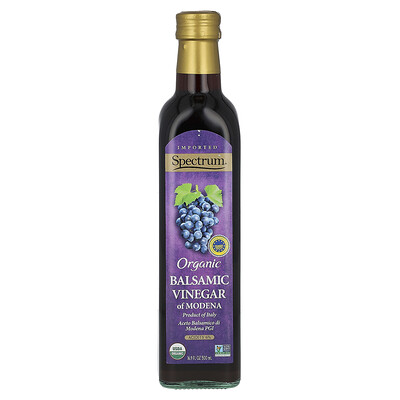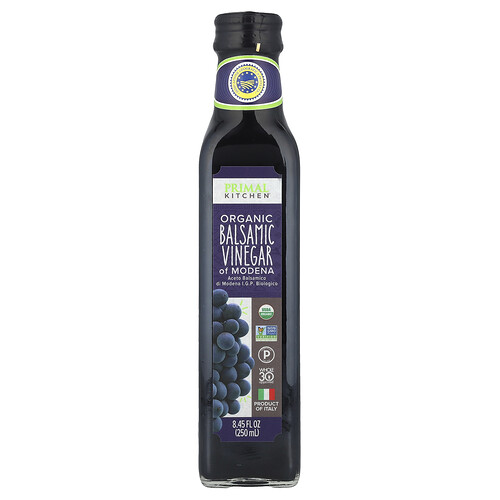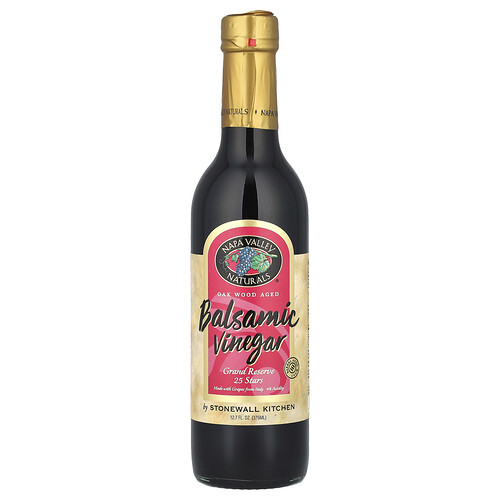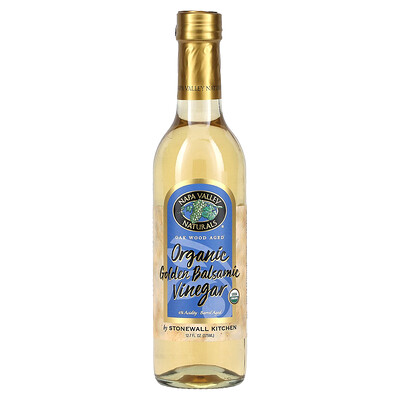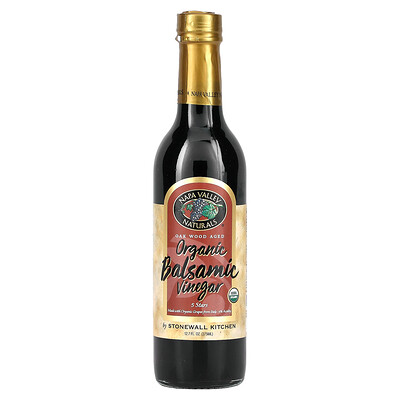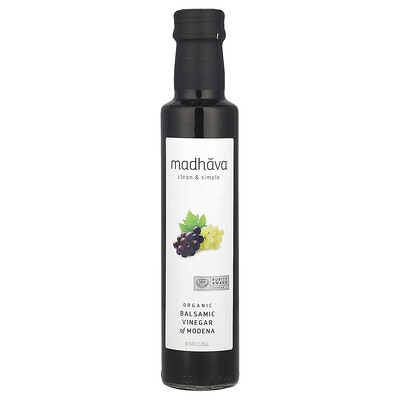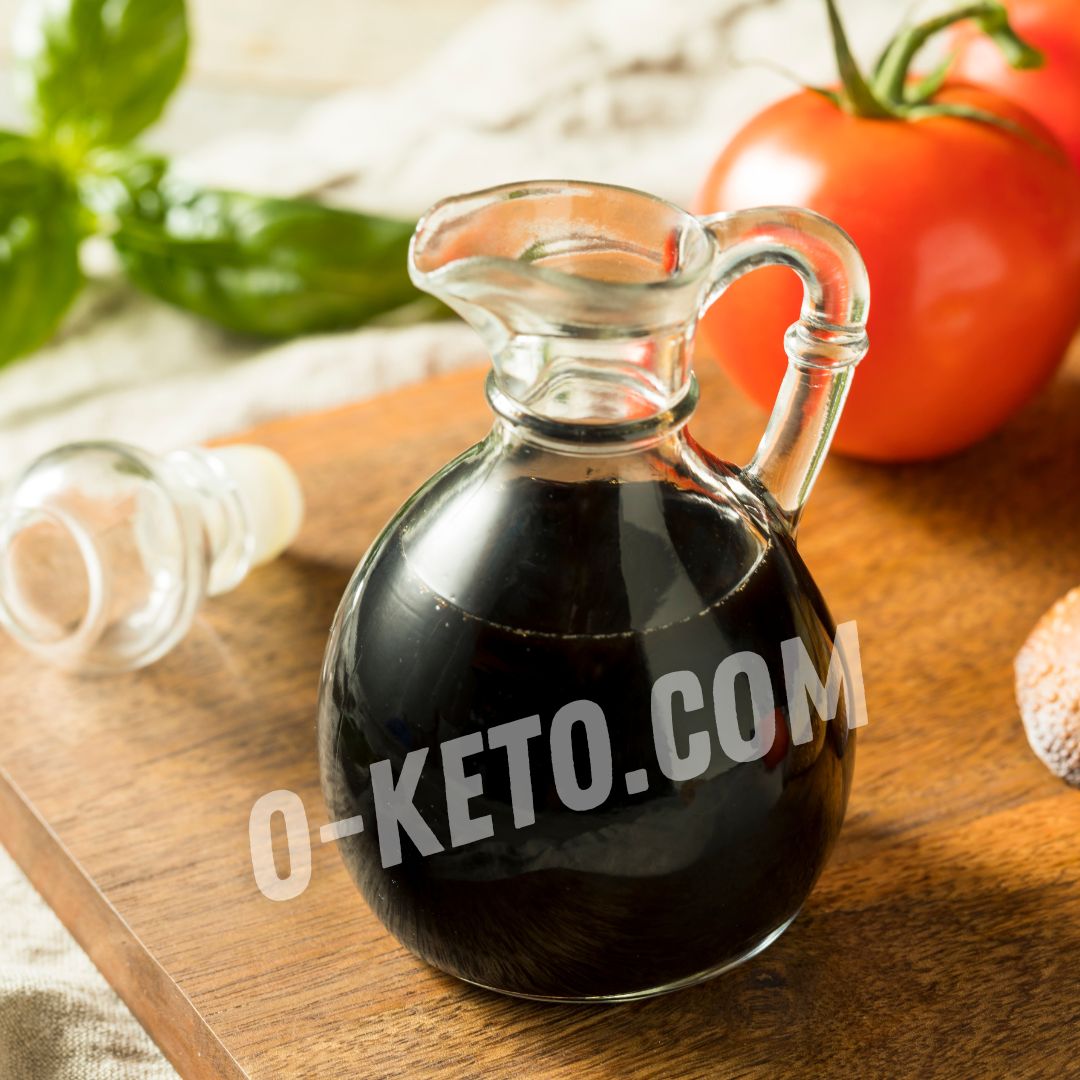

Balsamic vinegar is a dark grape vinegar with a sweet-sour taste, deep aroma, and Italian culinary reputation. It is made from grape must and wine vinegar, while more expensive traditional versions are aged for a long time in wooden barrels. Taste depends on raw material, aging, and whether sugar, caramel, or thickeners were added.
For keto, balsamic vinegar is useful as a strong seasoning: a few drops or a teaspoon is often enough to brighten salad, meat, fish, or cheese. But it is not a “zero” vinegar. It contains natural sugars from grapes, and cheap glazes or creams can contain much more sugar.
Nutritional value
One tablespoon of ordinary balsamic vinegar may provide about 10–15 kcal and roughly 2–3 g carbohydrates. Numbers differ greatly by brand: thin vinegar is usually lighter, while thick balsamic cream may be closer to a sweet sauce. So the label matters more than average tables.
The glycemic index is sometimes listed around 30, but in a real dish the amount of vinegar matters more than the index alone. If a spoon is added to a large salad for several servings, the contribution is small. If a plate is covered with thick glaze, carbohydrates quickly become noticeable.
Vinegar and balsamic cream should be separated. Cream is usually thicker, sweeter, and more likely to contain concentrated grape juice, sugar, or thickeners. It tastes pleasant, but in the diet it behaves more like a sauce that needs more exact counting than ordinary thin vinegar.
Is it suitable for keto?
Balsamic vinegar can fit keto as a seasoning in a small amount. It is less suitable as a sauce base, especially if it is a sweet cream, glaze, or ready dressing. For strict eating, choose a product without added sugar, starch, syrups, and caramel coloring, or use wine vinegar with a simpler ingredient list.
The easiest strategy is to measure it by teaspoon. This keeps flavor while avoiding turning a dressing into a sweet marinade. If the dish already contains tomatoes, onion, berries, or dairy carbohydrates, balsamic vinegar is better counted together with them.
In salad, balsamic is better mixed with fat rather than poured directly over leaves in a large amount. Oil spreads acidity and aroma, and the taste becomes softer. If a thicker dressing is needed, sugar-free mustard or a little grated cheese is better than simply increasing the vinegar amount.
How to use it
Balsamic vinegar pairs well with olive oil, sugar-free mustard, salt, pepper, basil, rosemary, thyme, garlic, and lemon zest. It is used in salads, over roasted vegetables, and with duck, beef, chicken, cheese, mushrooms, and strawberries in very small portions.
For a keto dressing, mix 1 teaspoon of vinegar with 2–3 tablespoons of olive oil, sugar-free mustard, and spices. Acidity and aroma stay bright, while carbohydrates are distributed across the whole salad portion. In marinades, balsamic is better paired with fat, salt, and herbs rather than honey.
How to choose
Traditional Aceto Balsamico Tradizionale and Balsamic Vinegar of Modena PGI are different categories. The first is usually more expensive, thicker, and more complex; the second varies widely in composition. In affordable versions, check sugar, caramel, thickeners, grape concentrate, and density.
Good vinegar smells of grapes, wooden aging, and soft acidity, without a harsh chemical note. Very sticky texture and very sweet taste often indicate a dessert glaze rather than vinegar for everyday dressing.
Limitations
An acidic product can irritate sensitive digestion and tooth enamel if drunk separately or used too often. Balsamic vinegar should not be treated as a tool for medical tasks. It is a seasoning, and its main role is taste, aroma, and balancing fatty dishes.
In marinades, balsamic vinegar works quickly: acidity changes the surface of meat and fish, so long holding is not always needed. For delicate products, short contact is enough, while salt and oil can be added separately for a more even taste.
How to store it
Balsamic vinegar is stored tightly closed, in a dark cool cabinet, away from heat and direct light. The refrigerator is usually unnecessary if the bottle is clean and tightly closed. Glazes and creams after opening are better stored according to the producer’s instructions because their composition differs.
What can replace it?
For keto, wine vinegar, unsweetened apple cider vinegar, sherry vinegar, lemon juice, lime, or vinegar mixed with a little unsweetened berry puree are often more convenient. If the dark sweet-sour profile is needed, use a drop of balsamic and build the sauce volume with olive oil and spices.