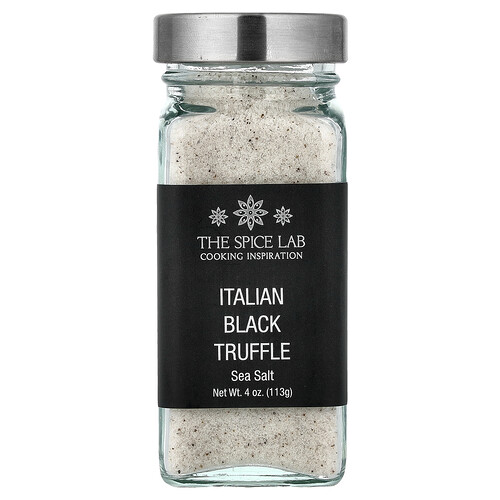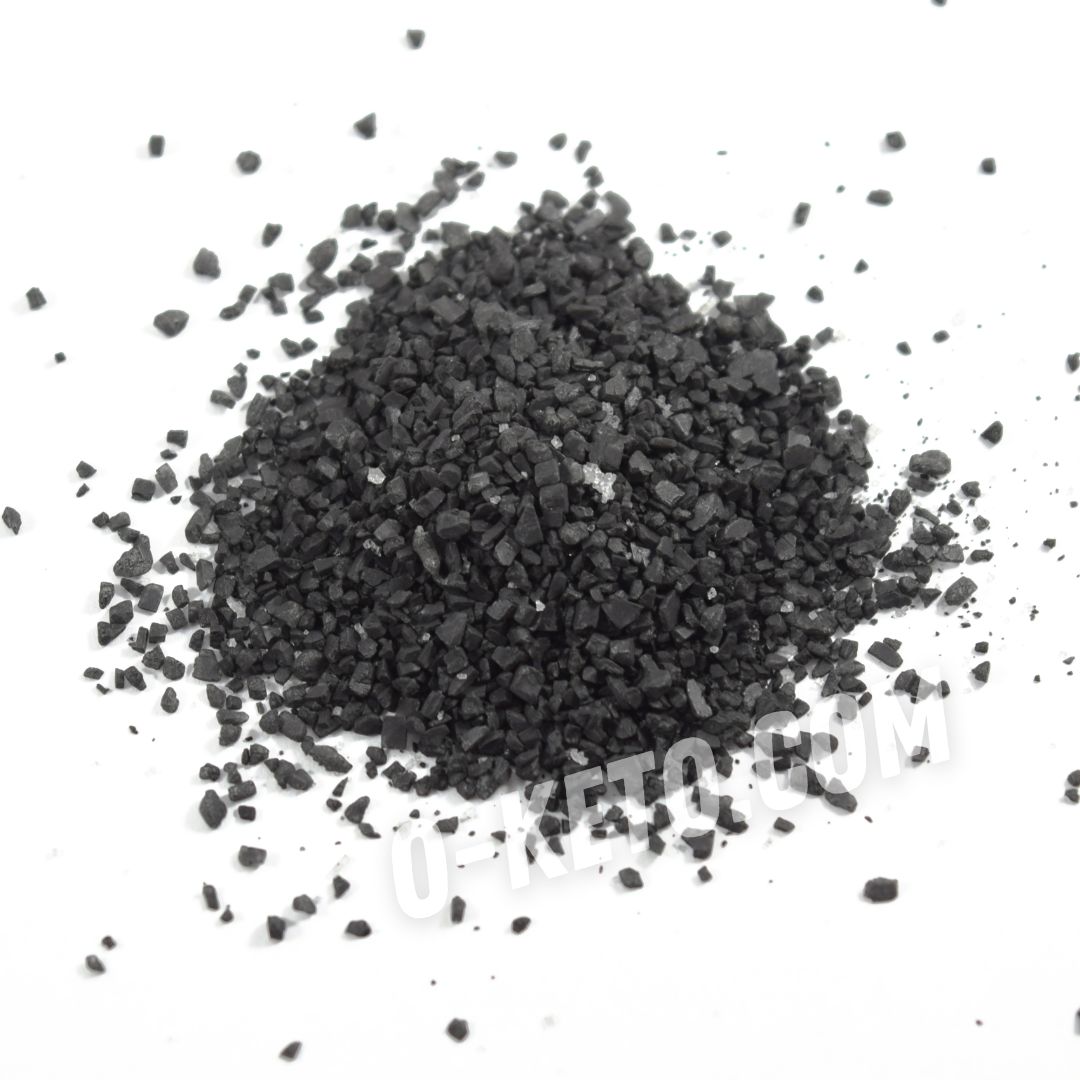

Black salt, or kala namak, is a South Asian mineral seasoning with a distinctive sulfur aroma. Despite the name, when ground it is often not black but pinkish gray, purple, or beige. The main feature of kala namak is its smell, reminiscent of boiled egg, because of sulfur compounds.
This salt is used in Indian, Pakistani, Nepali, and vegan cooking. It helps create an “eggy” note in tofu scramble, egg-free salads, chutneys, raita, drinks, marinades, and snacks. For keto and LCHF, black salt is interesting as a seasoning: it has no carbohydrates, but sodium and overall salt balance still matter.
Nutrition
Like ordinary salt, kala namak provides almost no calories, protein, fat, or carbohydrates. Its glycemic index and glycemic load are zero because it is a mineral seasoning, not a source of sugars or starch. It does not interfere with ketosis by itself when the dish contains no sugary additions.
Black salt contains sodium chloride and small amounts of mineral impurities responsible for color and smell. It is sometimes described as lower in sodium, but this depends on the specific product and should not be a reason to use it without measure. It may taste less salty or more complex, yet a portion of salt is still a portion of salt.
Minerals such as iron, potassium, or calcium may be present in trace amounts. In an ordinary culinary pinch, their contribution is small. The practical role of black salt is aroma and taste, not replacement of mineral supplements or complete food.
Keto and LCHF use
Black salt fits keto and LCHF as a carbohydrate-free seasoning. It is especially convenient when bread, sweet sauces, and ready snacks have been removed, but simple foods need more character: eggs, avocado, cucumbers, tomatoes in a moderate portion, fish, chicken, tofu, salads, and sauces.
On a low-carbohydrate menu, salt often becomes more noticeable because water retention changes together with lower glycogen. This does not mean black salt should be eaten separately or in large doses. It is better used as a flavor accent, while total sodium is adjusted to the menu, personal response, and professional advice when relevant.
How to use it
Kala namak is best added at the end of cooking. During long heating, part of the sulfur aroma fades and the salt becomes closer to ordinary salt. If an egg-like smell is needed in tofu, egg-free omelet, or sauce, a pinch is added after heating or directly on the plate.
In keto cooking, black salt works well with avocado, sugar-free mayonnaise, sour cream, Greek yogurt, cucumber, herbs, lemon, lime, fried eggs, fish, and chicken. It can replace part of ordinary salt in dressing, but it does not build a whole dish alone: acid, fat, and fresh herbs are still needed.
In vegan dishes, kala namak is often used in tofu scramble with turmeric, pepper, onion, and herbs. For keto this can work if tofu fits the menu and the sauce contains no sugar, starch, or sweet ready-made pastes.
How to choose
Good black salt has a pronounced but clean sulfur smell without dampness, mold, or chemical harshness. The grind may be fine or crystalline. Fine salt is convenient for sauces and salads; coarse salt is better kept in a grinder or dissolved in dressing.
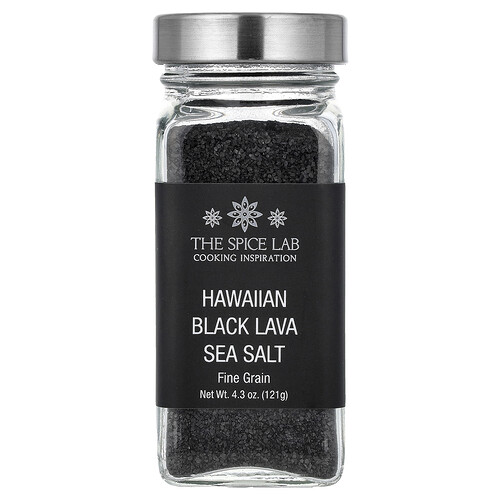
The package may say kala namak, black salt, or Himalayan black salt. It should not be confused with decorative black salt colored with charcoal or Hawaiian black salt: they have another taste and do not provide the same egg-like profile.
Limits
The main limit is sodium. With prescribed salt restriction, high blood pressure, edema, kidney problems, or medications that affect water and salt balance, the amount of any salt should be discussed with a physician. Black salt is not an exception just because of its unusual color.
The sulfur smell does not suit everyone. In too large an amount it can spoil a dish and give the impression of rotten eggs. It is better to start with a small pinch and add gradually.
Storage and substitutes
Black salt should be stored tightly closed in a dry place, away from steam and strong odors. Moisture makes salt clump, and the aroma can move to neighboring foods. A small jar kept away from the stove is the most convenient option.
Kala namak is hard to replace fully. Ordinary sea or rock salt works for saltiness, a tiny pinch of asafoetida can add a sulfur note in suitable dishes, and sugar-free chaat masala can give an Indian profile. But the egg-like note in cold sauces is best provided by black salt itself.