


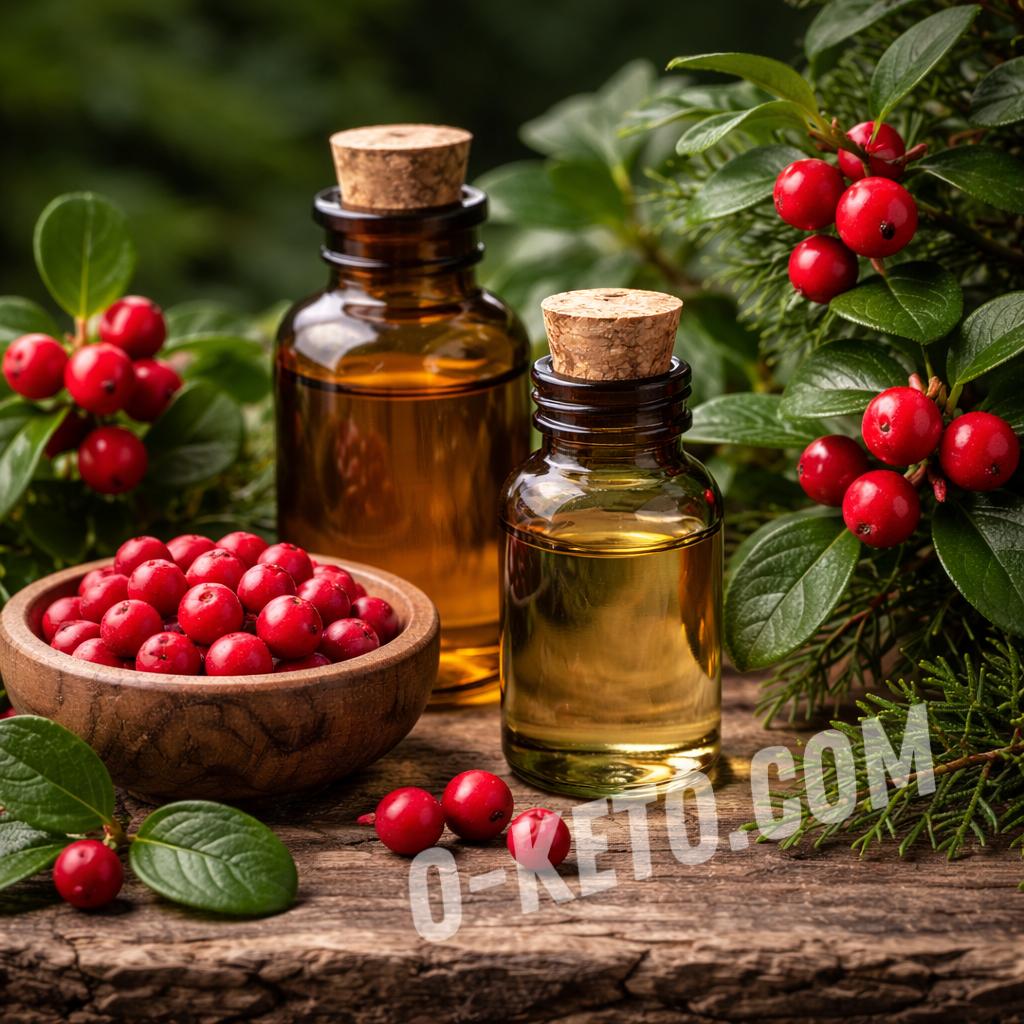

The essential oil of wintergreen (Gaultheria procumbens) is among the most potent essential oils in terms of physiological action and holds a special place in aromatherapy and natural medicine. It is obtained through steam distillation from the leaves of a plant that grows in the northern regions of North America. The oil has a bright, cooling, minty-balsamic aroma and high biological activity, which requires particularly conscious and measured use.
Wintergreen has long been used by indigenous peoples as a remedy for pain relief, inflammation, and recovery after physical exertion. In the modern world, this oil is primarily used externally and is considered more of a phytochemical analogue of salicylates than a classic essential oil with a wide range of applications.
History and Origin
Wintergreen has traditionally been used by Native American tribes for alleviating muscle and joint pain, as well as for colds and hypothermia. The leaves of the plant were chewed, infused, or applied as compresses. With the development of distillation, it was discovered that the essential fraction of the leaves has the most pronounced therapeutic effect.
In the 19th century, wintergreen oil became widely used in pharmacology as a natural source of salicylates. It was used for rheumatism, arthritis, and injuries. Synthetic methyl salicylate gradually displaced natural oil from medicine; however, in aromatherapy and bodywork practices, it has retained its significance due to its high effectiveness.
Chemical Composition and Physiological Action
The essential oil of wintergreen is unique in its composition. It consists almost entirely of methyl salicylate, with concentrations reaching 95–99 percent. Essentially, it is one of the most mono-component essential oils.
Methyl salicylate has pronounced:
- anti-inflammatory action;
- analgesic action;
- warming and microcirculation-enhancing action;
- muscle relaxant effects.
Due to its influence on local blood flow, the oil helps reduce swelling, accelerate tissue recovery, and alleviate pain syndrome. It does not act systemically when applied externally, but exceeding the dosage may lead to toxic effects.
Use in Aromatherapy and Bodywork Practices
In aromatherapy, wintergreen oil is used sparingly and in minimal concentrations. Its primary application is not related to emotional regulation but rather to body therapy and recovery after exertion.
The most common methods of application include:
- massage blends for muscles and joints;
- local rubs for overexertion;
- compresses for pain and stiffness;
- rarely — in diffusers at extremely low doses.
In aromatherapeutic blends, wintergreen oil is usually combined with lavender, eucalyptus, rosemary, ginger, or cedar, which helps soften its sharpness and reduce the risk of irritation.
Use in Folk Medicine
In folk practice, wintergreen oil is primarily used externally. It is applied for:
- joint and ligament pain;
- muscle spasms and cramps;
- arthritis and arthrosis outside of acute phases;
- recovery after physical exertion;
- hypothermia and feelings of body aches.
The oil is always diluted in carrier oils and applied locally, avoiding large areas of skin.
Contraindications and Precautions
The essential oil of wintergreen is classified as having a higher risk of improper use. It requires strict adherence to dosages and contraindications.
Main contraindications include:
- pregnancy and breastfeeding;
- childhood;
- allergy to salicylates;
- use of anticoagulants;
- blood clotting disorders;
- chronic liver and kidney diseases.
Recommendations for Safe Use
To minimize risks, it is necessary to:
- use the oil only externally;
- dilute it to a concentration of no more than 0.5–1 percent;
- not apply it to large areas of skin;
- not use it continuously without breaks;
- conduct a skin test before the first use.
The essential oil of wintergreen is a powerful tool for dealing with pain and inflammation, but it requires high awareness and responsibility. When used correctly, it can become an effective assistant in restoring the musculoskeletal system and relieving physical tension, while remaining a tool of narrow and targeted action.


