


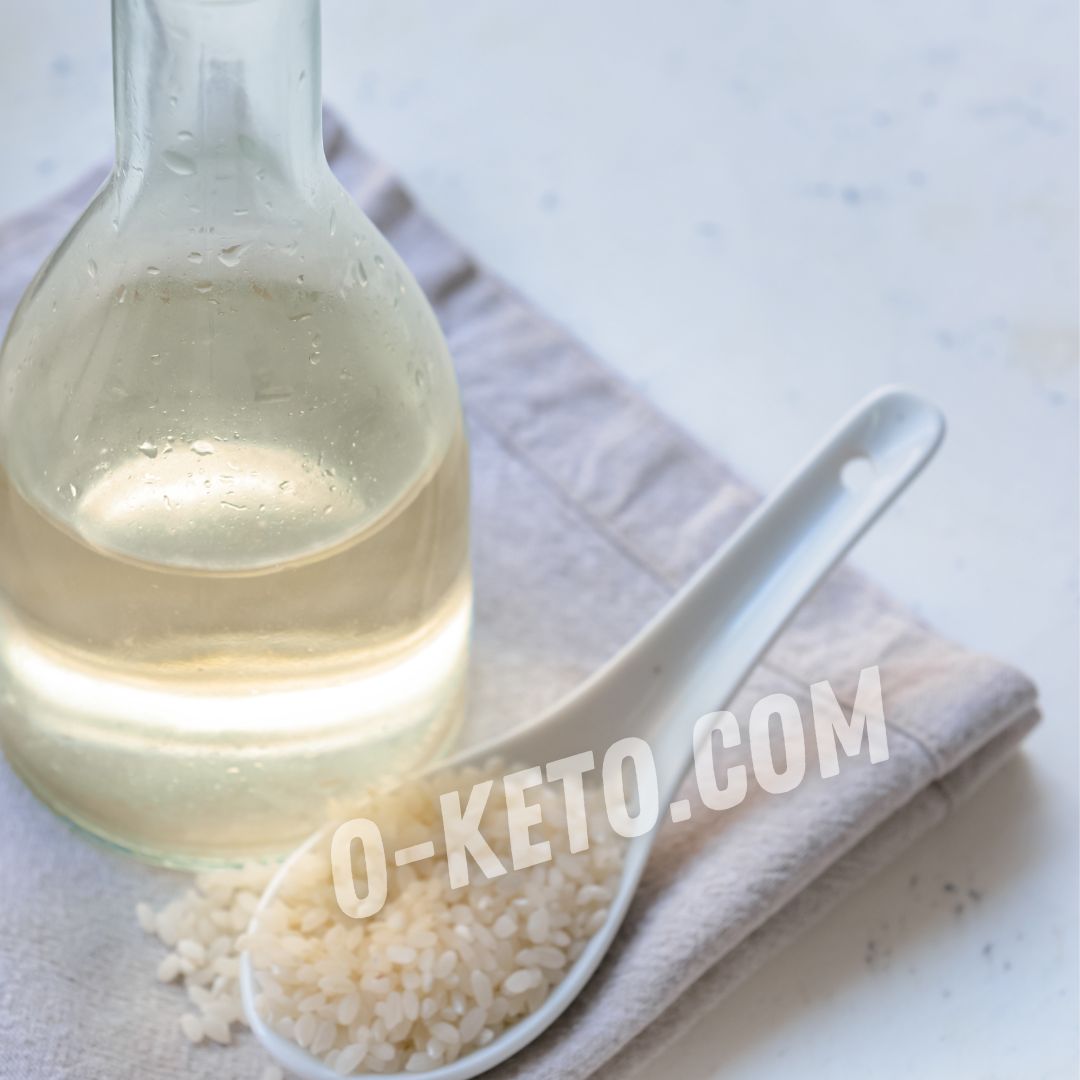

Rice vinegar is a mild vinegar made from fermented rice or rice wine. It is less sharp than ordinary table vinegar, often with a rounded taste and a slight sweet note. It is used in Asian sauces, dressings, marinades and dishes with fish, cucumbers, cabbage, seafood and meat.
For keto, it is important to distinguish plain rice vinegar from ready sushi vinegar. Plain rice vinegar is usually low in carbohydrates, and the serving is measured in teaspoons or tablespoons. Seasoned rice vinegar often contains sugar, syrup or sweeteners, and that version can noticeably change the carbohydrates in a dish.
Nutrition
The main components of vinegar are water and acetic acid. Small amounts of minerals and traces of fermentation compounds may be present. Calories depend on composition: some versions list about 20 kcal per tablespoon, while plain unsweetened vinegar may be lower.
Unsweetened rice vinegar has a low glycemic index because the serving is small and sugar is usually low. But if the ingredient list includes sugar, rice syrup or sweet sushi seasoning, the product should be counted as a sauce rather than pure vinegar.
Is It Keto-Friendly?
Plain rice vinegar fits keto in moderate amounts. Usually 1-2 tablespoons in a dish do not create a large carbohydrate load, especially when used in salad dressing, marinade or sauce for meat. Still, the daily limit depends on the whole plate, not one ingredient.
For strict keto, choose a version without sugar and read the label. If it contains sugar, glucose, syrup, mirin or a sweet sushi mix, the portion should be reduced or the product replaced with another acidic ingredient.
How to Use It
Rice vinegar works where gentle acidity is needed without harsh sharpness. It highlights fish, shrimp, cucumber, cabbage, ginger, sesame, sugar-free soy sauce, avocado, chicken and pork. On keto, it helps make dishes brighter without sweet sauces.
Practical options include:
- dressing with avocado oil, sesame and sugar-free soy sauce;
- marinade for chicken, fish or shrimp;
- quick cucumbers with salt, vinegar and sesame;
- sauce for cauliflower used instead of rice;
- an acidic accent in salad with avocado and herbs.
How to Choose and Store
A good ingredient list should contain rice vinegar, water and sometimes salt. Sugar, glucose-fructose syrup, caramel, sweet mirin and a long additive list are undesirable. If the product is made specifically for sushi rice, it is often already sweetened.
Store rice vinegar tightly closed in a cool dark place. After opening, it is usually stable, but aroma becomes weaker over time. If cloudy sediment, an unpleasant smell or gas appears, it is better not to use it.
Limits and Substitutes
Vinegar can irritate a sensitive stomach, reflux symptoms or an empty stomach. It is better used as part of food rather than drunk separately. For marinades, delicate fish or seafood should not sit in vinegar too long because acid changes texture.
Rice vinegar can be replaced with sugar-free apple cider vinegar, white wine vinegar, lemon juice or lime juice. If a mild Asian note is needed, plain rice vinegar with a little sesame oil, ginger and sugar-free soy sauce is the closest option.
Portion and Common Mistakes
For a salad or sauce, 1-2 teaspoons per serving or 1-2 tablespoons for several servings are usually enough. More is not always better: acid quickly covers fish, herbs and vegetables. A common mistake is replacing plain vinegar with sweetened sushi vinegar and missing the sugar. Another mistake is marinating protein too long. Chicken tolerates acid better, while shrimp and thin fish can become firm after a short time.
Building a Sugar-Free Dressing
Rice vinegar works best when balanced with fat and salt rather than used alone. For a simple keto dressing, mix it with avocado oil or sesame oil, sugar-free soy sauce, ginger and a little chili. If the flavor feels too sharp, soften it with oil rather than sugar.
In salads with cucumber, cabbage, shrimp or chicken, add vinegar gradually. Vegetables release juice quickly, and the dressing becomes milder after a few minutes. It is better to make the first mix a little bright, let the dish stand and only then decide whether more acidity is needed.
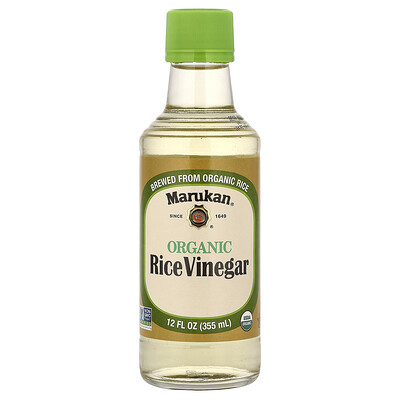
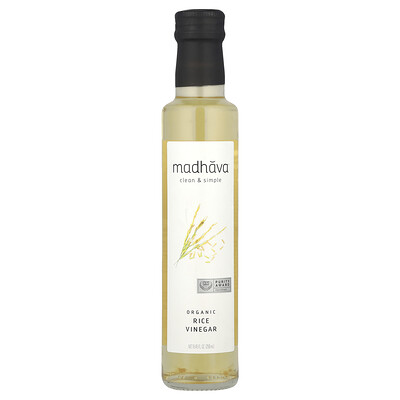

Substitution options in recipes
Apple cider vinegar. Diluted with water in a one-to-one ratio. Rice vinegar has half the acidity (≈3%), nearly odorless. Diluted apple cider will provide the same mildness; use it in sushi rice, but add a pinch of sugar for an authentic taste.


