The term “vitamin K” refers to two completely different vitamins: K1 and K2.
They differ significantly from each other both in the products in which they are found and in their effects on the human body. Because of this, many beneficial properties of vitamin K2 are attributed to vitamin K, which does not possess them at all.
Let’s figure out what vitamin K is actually needed for and in which products it is found. And what exactly is this vitamin K2 that everyone forgets about.
Vitamin K1 or simply K
The main purpose of vitamin K is to maintain blood clotting. It is necessary for the synthesis of several proteins required for the formation of a clot that stops bleeding.
Therefore, a deficiency of vitamin K increases the risk of bleeding.
Sources of vitamin K
The only sources of vitamin K are any greens and, to a lesser extent, some vegetables.
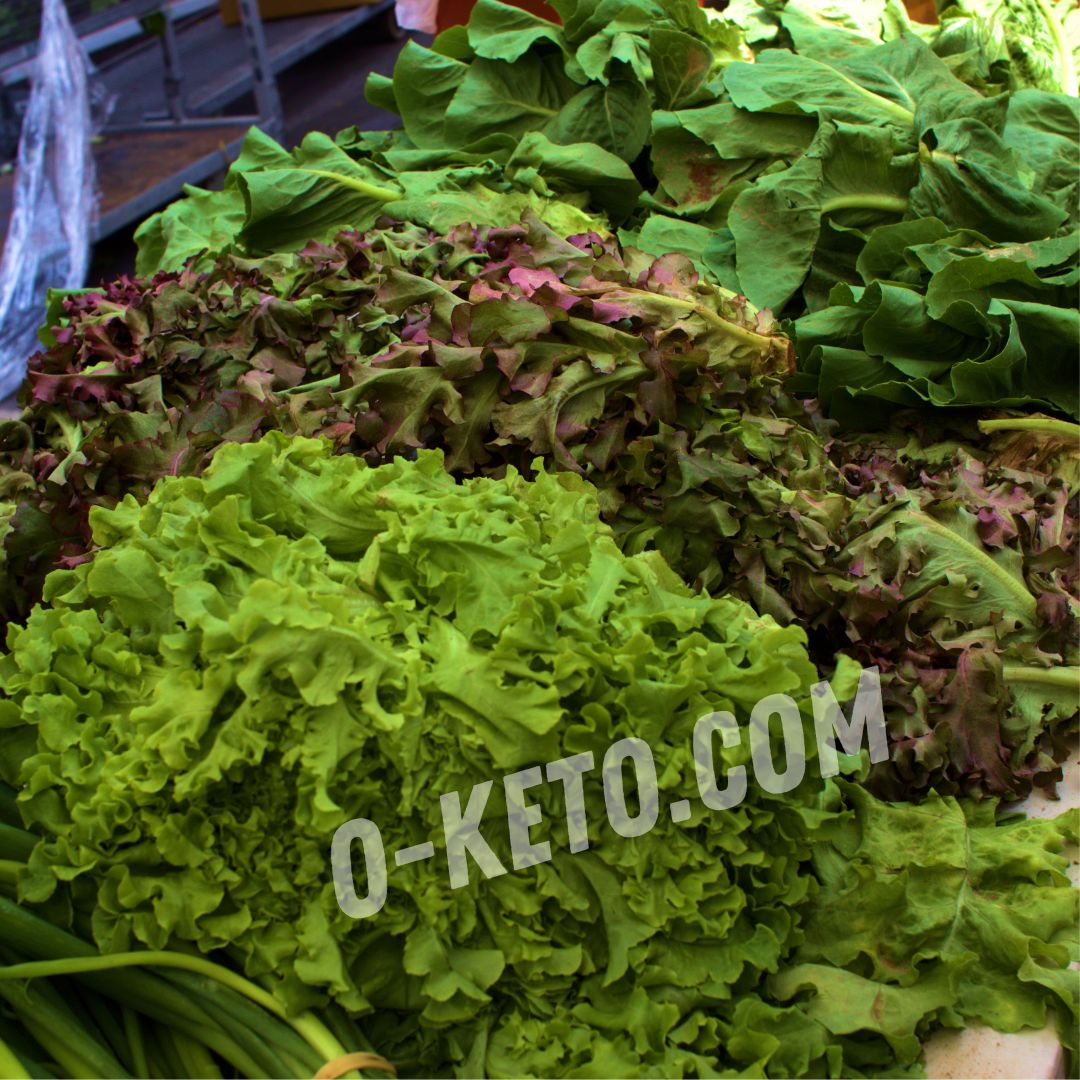
A huge amount of vitamin K is found in parsley – just 8 grams of parsley contains the daily norm of vitamin K.

All other greens contain 4-5 times less vitamin K.
This means that to get the daily norm of this vitamin, it is enough to eat 8 grams of parsley or 40 grams of any other greens.
Absorption of vitamin K
But there is one caveat. Vitamin K is a fat-soluble vitamin. Therefore, any greens should be eaten with fats. For example, in the form of a salad with feta cheese or dressed with olive oil.
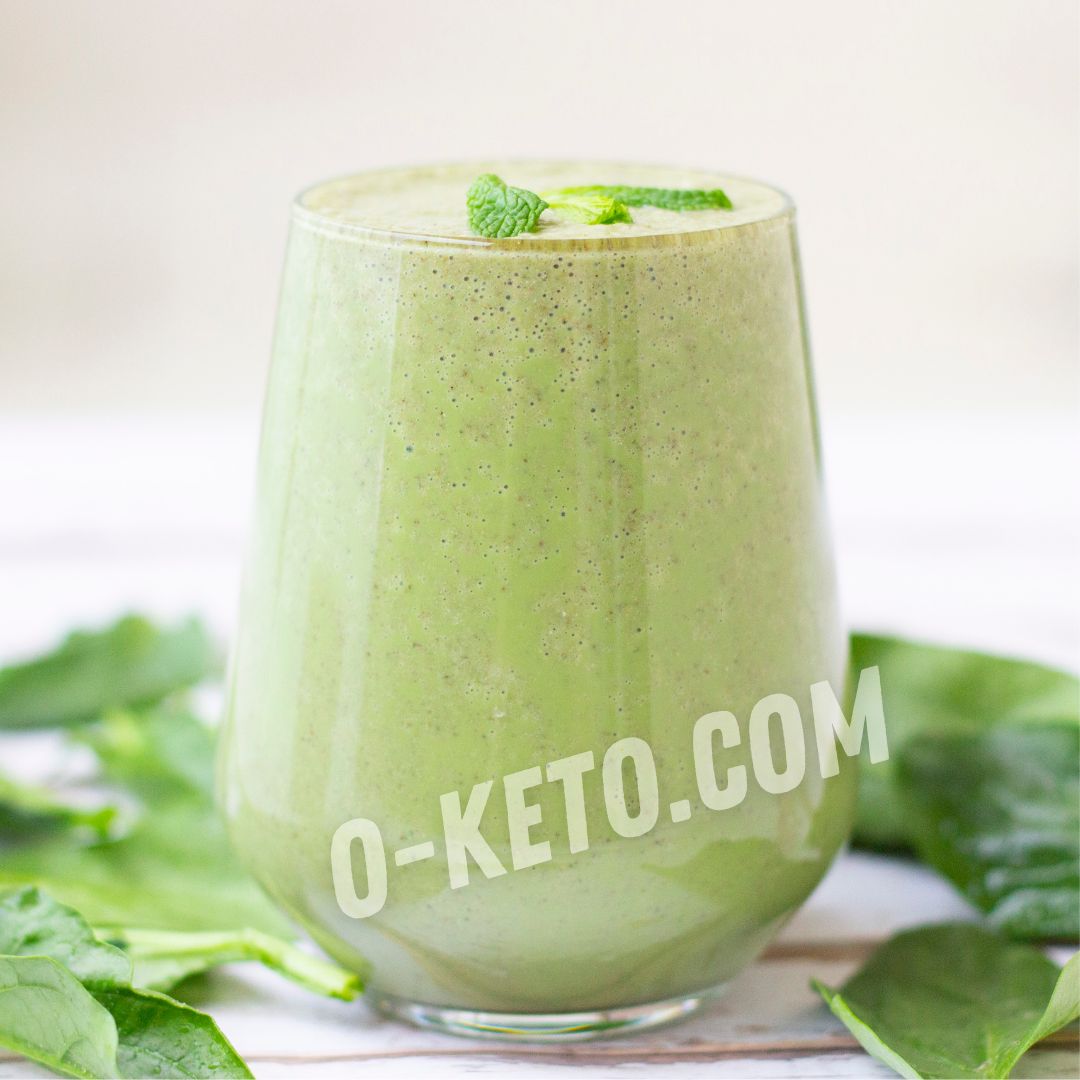
If you simply make a smoothie from greens based on water and without fats, the absorption of vitamin K will decrease by 5 times. And to obtain the daily norm of this vitamin, 200 grams of greens will be required.
Deficiency of vitamin K
Thus, any low-fat diets can lead to a deficiency of vitamin K.
Also, a deficiency of this vitamin may occur in newborns, alcoholics, and in various liver diseases.
Vitamin K2 – a completely different vitamin
Vitamin K2 is even more important for the body. It is responsible for the proper absorption and transport of calcium. Its deficiency can lead to the formation of calcium deposits, which, in turn, can cause atherosclerosis and strokes.
In addition, regularly obtaining the daily norm of vitamin K2 reduces the risk of osteoporosis, certain types of cancer, and supports the health of teeth, gums, and skin elasticity.
Sources of vitamin K2
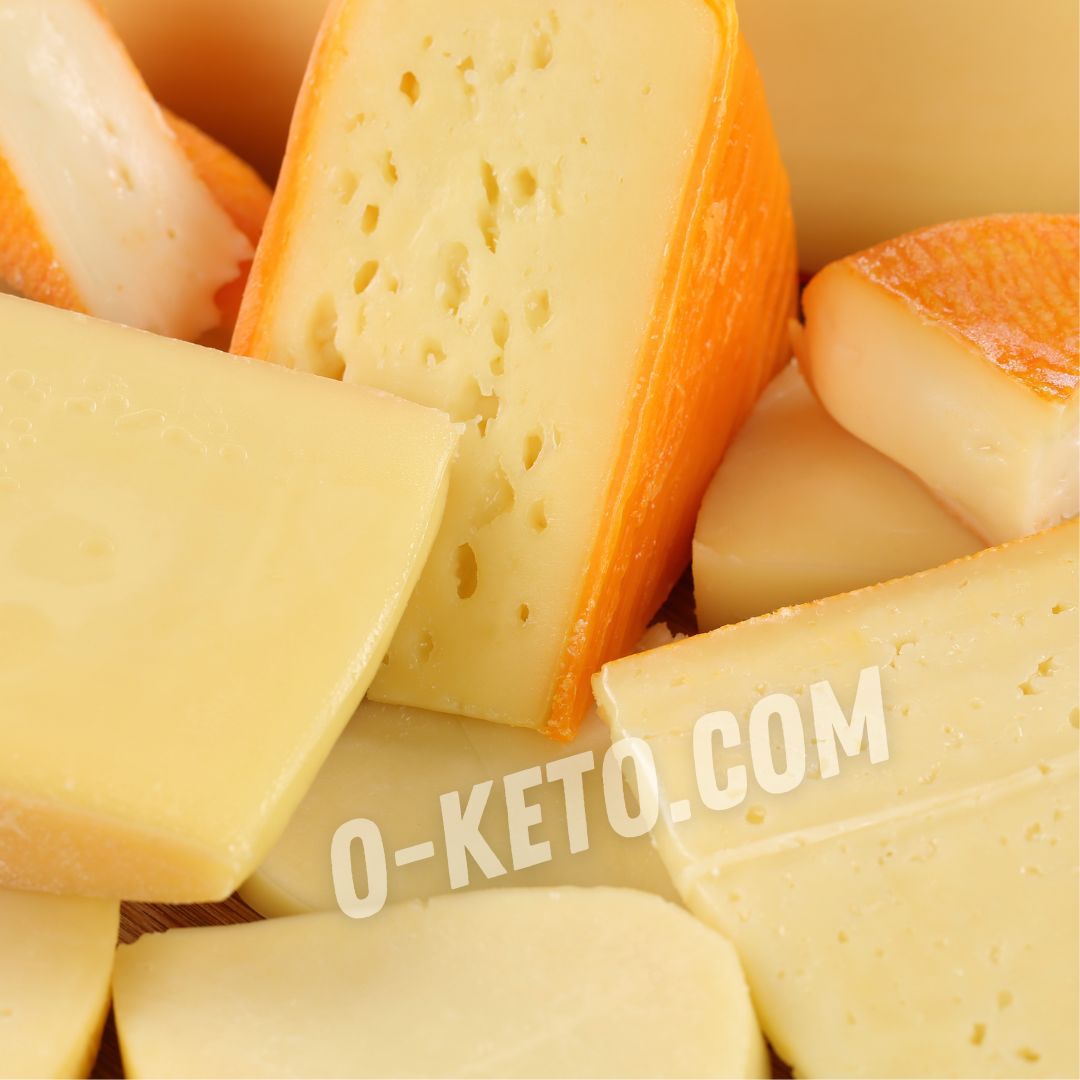
If vitamin K is found only in plant products, then the sources of vitamin K2 are hard cheeses, eggs, and to a lesser extent, meat products.
The daily norm of vitamin K2 can be obtained from 100-130 grams of Gouda, Edam, or Parmesan cheese. To get the same amount from Cheddar cheese, one would need to eat 600-900 grams, if anyone can manage that.
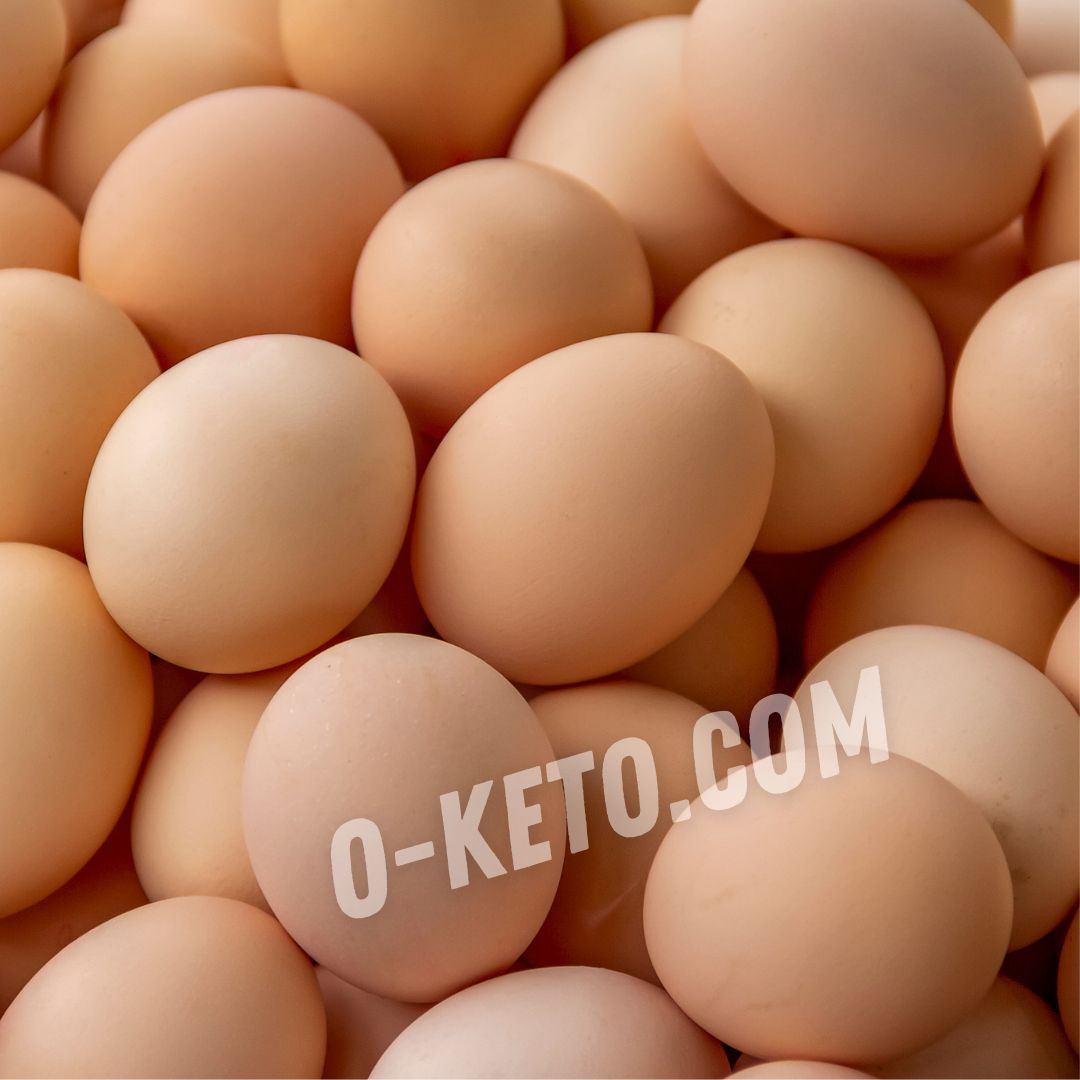
Speaking of eggs, one would have to eat 15-20 eggs.
To obtain the daily norm from meat, one would need to consume 700-900 grams of chicken thighs or liver, or a kilogram of beef liver.

The only plant source with sufficient amounts of vitamin K2 is natto. A Japanese cuisine product made from fermented soybeans.
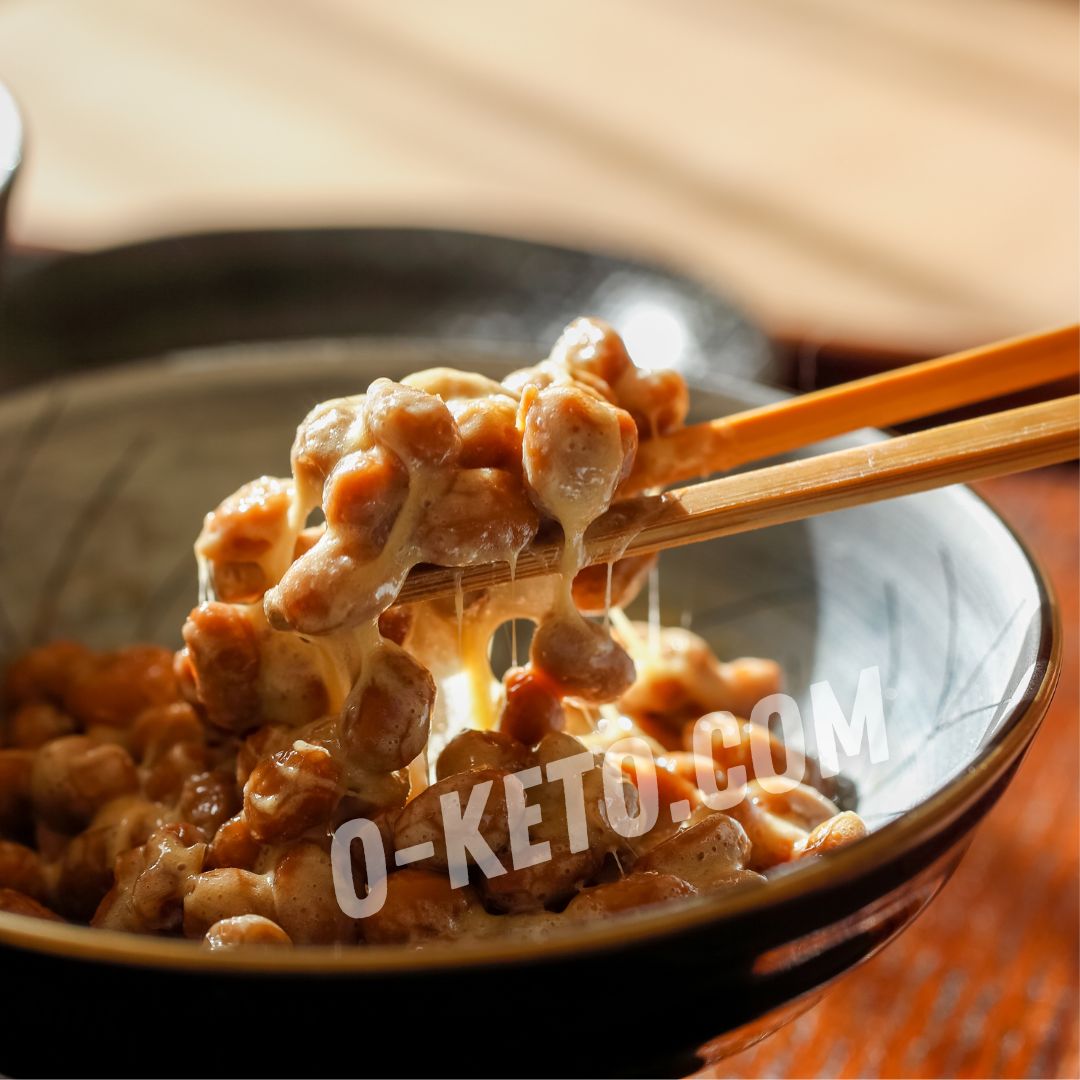
This is the richest product in vitamin K2. Natto can contain from 150% to 1000% of the daily norm of vitamin K2 per 100 grams of the product. But who besides the Japanese has even heard of it?
Although it is said that other fermented products, such as kimchi and tempeh, also contain vitamin K2, unfortunately, its content in them is usually insignificant.
There is a common belief that the human body can produce vitamin K2 on its own, so there is no need to worry about its intake. But unfortunately:
- usually this vitamin is produced in limited amounts;
- not in the forms that the body uses most effectively;
- the production of the vitamin occurs mainly in the large intestine, where nutrient absorption does not occur as actively.
Vitamin D + Vitamin K2
If you are taking vitamin D3, make sure that it also contains vitamin K2. Or that you are getting enough vitamin K2 from your food.
Both of these vitamins work synergistically. While vitamin D3 improves calcium absorption, vitamin K2 directs calcium to the bones and teeth.
Therefore, with a deficiency of vitamin K2, calcium will not be able to be transported properly and will deposit where it can: in the arteries. As a result, vascular calcification occurs. This, in turn, leads to atherosclerosis and strokes.
Sources
- NIH Office of Dietary Supplements: Vitamin K Fact Sheet for Health Professionals
- Content and Bioaccessibility of Vitamin K (Phylloquinone and Menaquinones) in Cheese
- Japanese fermented soybean food as the major determinant of the large geographic difference in circulating levels of vitamin K2: possible implications for hip-fracture risk
- Effect of vitamin K on bone mineral density and fractures in adults: an updated systematic review and meta-analysis of randomised controlled trials
- Vitamin K status, supplementation and vascular disease: a systematic review and meta-analysis
- The effect of vitamin K supplementation on cardiovascular risk factors: a systematic review and meta-analysis