


Anorexia
A dangerous eating disorder with food restriction, fear of weight gain and distorted body image can quickly affect the heart, hormones, bones, blood and mental state and requires coordinated medical and psychological care.




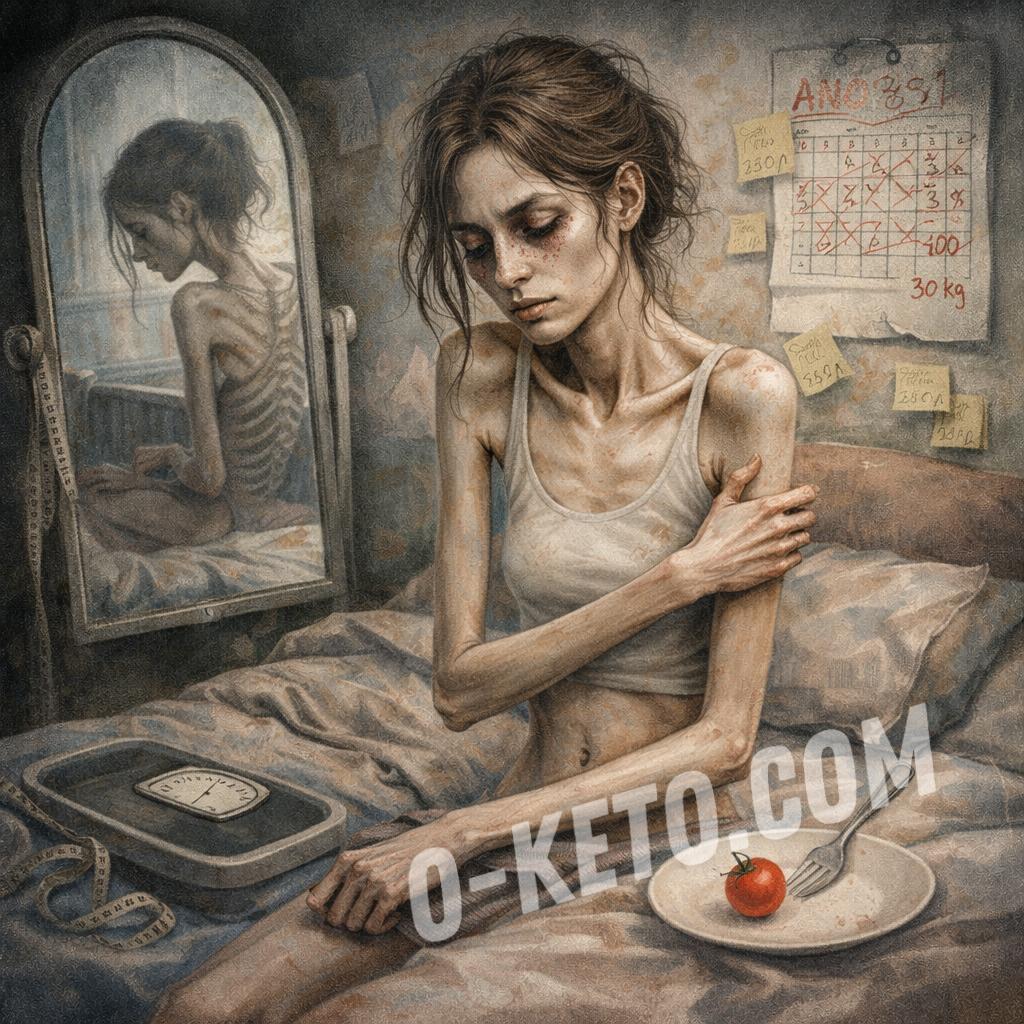
Anorexia is a serious eating disorder in which fear of weight gain, rigid food restriction and distorted body image begin to dominate behavior more than the body’s actual needs. It is not simply “strong will” or an ordinary wish to lose weight. As anorexia progresses, a person may stop interpreting hunger, fatigue, cold intolerance and physical depletion realistically, while the medical risks keep growing even if relatives still underestimate the severity.
Why it is medically dangerous
Chronic energy deprivation affects many systems at once. Heart rate may slow, blood pressure can fall, cold intolerance becomes stronger, menstruation may stop, bone density declines, weakness increases and concentration and mood worsen. With more severe undernutrition, electrolytes, liver function, blood counts, immunity and gastrointestinal motility can all deteriorate. The heart becomes vulnerable to arrhythmia, and loss of muscle mass affects not only appearance but also strength, breathing muscles and exercise tolerance.
The danger is not defined by weight alone. Even with a body mass index that does not look extremely low, a person may already have bradycardia, low potassium, protein deficiency, hormonal disruption and major psychological suffering.
How the disorder often looks in real life
Anorexia commonly involves rigid food rules, rituals, fear of “forbidden” foods, constant fixation on weight and shape, avoidance of shared meals, compulsive exercise, guilt after eating and denial of how serious the problem has become. Some people mainly restrict, while others combine restriction with purging behaviors. Early on it may be disguised as “very healthy eating,” but the essential marker is growing harm and loss of flexibility around food.
Anxiety, perfectionism, depressive symptoms, obsessive traits, body image distress and a strong fear of losing control are common. That is why anorexia needs psychiatric or psychotherapeutic care in addition to nutrition support.
What should be monitored
Important monitoring points include electrolytes, ECG, pulse, blood pressure, complete blood count, ferritin, total protein, albumin, liver and kidney markers, glucose, magnesium, phosphate, B vitamins and vitamin D. In women, menstrual function matters; with longer illness, bone health must also be reviewed. When nutrition is restarted after severe restriction, clinicians must remember the risk of refeeding syndrome, in which electrolytes shift into cells and the patient can worsen unexpectedly.
Trying to “feed yourself back to normal” without understanding these risks can be unsafe, especially when weight loss is marked, fainting is present, fluid restriction is severe, vomiting occurs or laxatives are used.
Diet patterns and interpretation mistakes
Ketogenic diets, low-carb plans, intermittent fasting and other structured eating styles may sometimes be used by a person with anorexia as a socially acceptable cover for further restriction. The diet label itself does not create an eating disorder in every person, but when vulnerability already exists, strict rules can reinforce pathological behavior. The real assessment should focus on total energy intake, protein, fats, carbohydrate adequacy, micronutrients and the psychological relationship with food.
Recovery usually depends on regular meals, enough calories, enough protein and fat, electrolyte correction and gradually restoring flexibility rather than chasing the “cleanest” menu. The longer undernutrition persists, the greater the cost for the brain, hormones and bones.
When urgent help is needed
Immediate medical help is needed with fainting, severe weakness, chest pain, a very slow pulse, dehydration, refusal of food and fluids, vomiting, suspected major electrolyte disturbance, suicidal thoughts or rapid weight loss. Even without those red flags, anorexia requires professional treatment because it carries a high risk of complications and relapse.
The most accurate way to view anorexia is not as discipline or successful dieting, but as a dangerous combination of psychiatric and physical depletion. Earlier comprehensive treatment offers a much better chance of full recovery.
Why anorexia is not only about body weight
It is dangerous to judge anorexia only by body weight because medical risk depends not on one number, but on the depth of energy deficit, the speed of weight loss, electrolyte disturbance, hormonal suppression and psychiatric state. Even when a person does not yet look “extremely emaciated” to others, the heart, bones, blood and nervous system may already be functioning under severe depletion. In practice this means anorexia requires earlier help than outsiders often assume.
If you have any questions about the term "Anorexia", you can ask them to AI. Please note, a low-cost OpenAI model is used. It may answer questions about disease treatment with errors!


 1 / 4
1 / 4 1 / 4
1 / 4 1 / 4
1 / 4 1 / 4
1 / 4 1 / 4
1 / 4


