


E1403 (bleached starch)
Bleached starch mainly changes the color and visual neutrality of starch systems; in low-carb eating it remains a starch thickener, not a neutral additive.
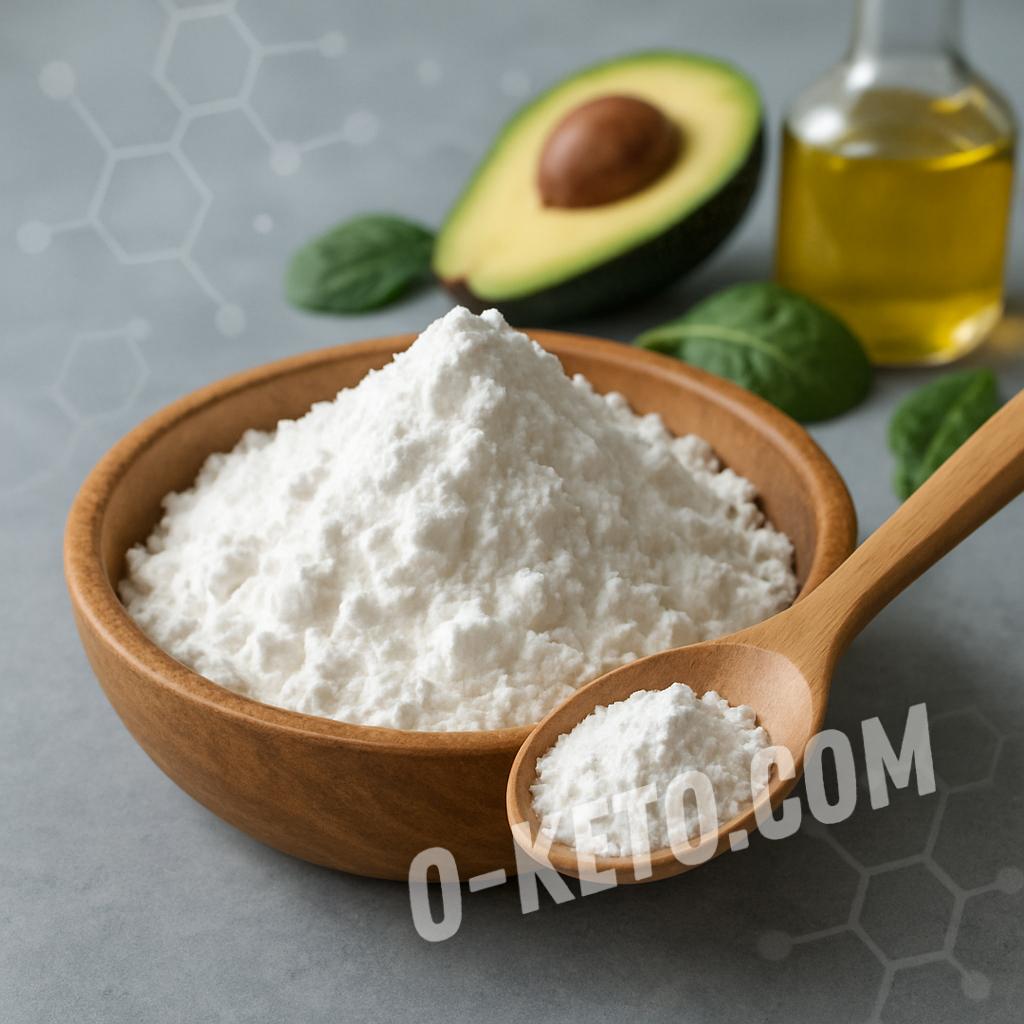
E1403 is bleached starch. In Codex/JECFA specifications it corresponds to INS 1403: starch is treated with permitted bleaching agents mainly to change the color and visual appearance of the raw material. It is not a sweetener, preservative or vitamin additive. Its technological role is closer to starch-based thickeners and stabilizers, with the emphasis on a paler, more neutral ingredient rather than on a deep nutritional change.
For a shopper, bleached starch should not be confused with starch that has been stripped of carbohydrates. Bleaching does not cancel the starch nature of the ingredient. If it is used in a sauce, filling, dessert mass, semi-finished food or powder mix, it may help create thickness, body and smoothness. In small technological amounts the carbohydrate contribution may be minor, but in products built around starch texture it becomes part of the overall carbohydrate load.
Why starch is bleached
Native starch may have a shade that depends on the plant source, impurities, extraction method and storage. In manufactured foods, color can matter almost as much as viscosity: a white sauce, pale cream, clear glaze or delicate filling should not receive a gray or yellow background from a supporting ingredient. Bleaching makes starch more visually neutral so it does not interfere with the expected look of the finished product.
Food specifications restrict the processing conditions and residual parameters for bleached starch. That is very different from the everyday image of harsh bleach being poured into food. Still, quality control does not make the ingredient necessary for a healthy diet. It simply explains why a manufacturer may choose this starch instead of an ordinary one when appearance and consistency need to be tightly controlled.
Where E1403 may appear
Bleached starch is most logical in products that need a light, smooth and stable structure. It may appear in sauces, creamy fillings, dessert mixes, glazes, dairy-like or milk-based products, prepared meals, coatings, breading systems and dry mixes. Its role can be almost invisible: bind water, reduce graininess, even out color or make texture more predictable after heating and storage.
On a label, E1403 should be read together with neighboring ingredients. If sugar, glucose syrup, flour, maltodextrin, ordinary starch and vegetable oils are present nearby, the product is probably an industrial formula with convenient texture rather than a low-carb food. If the code appears at the very end of a seasoning, capsule or rare-use sauce, the dietary effect may be minimal. Context matters more than the mere presence of the number.
Keto and LCHF context
In low-carb nutrition, bleached starch should be evaluated as starch, not as a separate frightening additive. The issue is not the word “bleached,” but the carbohydrate nature of the material and the amount used. For strict keto, products where modified starches appear among the main ingredients are usually poor fits: they help recreate familiar thickness and softness, but they do not solve the problem of net carbohydrate reduction.
In a more flexible LCHF approach, a trace amount of E1403 may have little practical meaning. That is true only when the serving is small and the formula is transparent. If a product is marketed as sugar free but contains several starch thickeners, syrups or fruit concentrates, it may still produce a glucose response. In diabetes, insulin resistance or ketosis monitoring, total carbohydrates per serving and personal response matter more than a front-label claim.
Tolerance and practical choice
Most people tolerate small amounts of bleached starch without obvious symptoms. However, foods with starch thickeners can feel heavy, especially when the formula also contains a large fat load, polyols, emulsifiers and acidic fillings. If specific desserts, sauces or prepared foods cause bloating, sleepiness or cravings, the whole composition should be assessed rather than isolating one code from the label.
For celiac disease, wheat allergy or strict gluten avoidance, the starch source and cross-contamination control are important. The number E1403 does not tell whether the original starch came from corn, potato, wheat, rice or tapioca. Reliable gluten-free labeling and a clear ingredient list are more useful. For everyday low-carb choices, the simplest rule is practical: the less a product relies on bleached and modified starches, the easier it is to predict its carbohydrate impact.
If you have any questions about the term "E1403 (bleached starch)", you can ask them to AI. Please note, a low-cost OpenAI model is used. It may answer questions about disease treatment with errors!


