


Hypercaloric diet
An eating pattern with calories above expenditure: used for mass gain and recovery, but surplus quality determines whether muscle or mostly fat is gained.


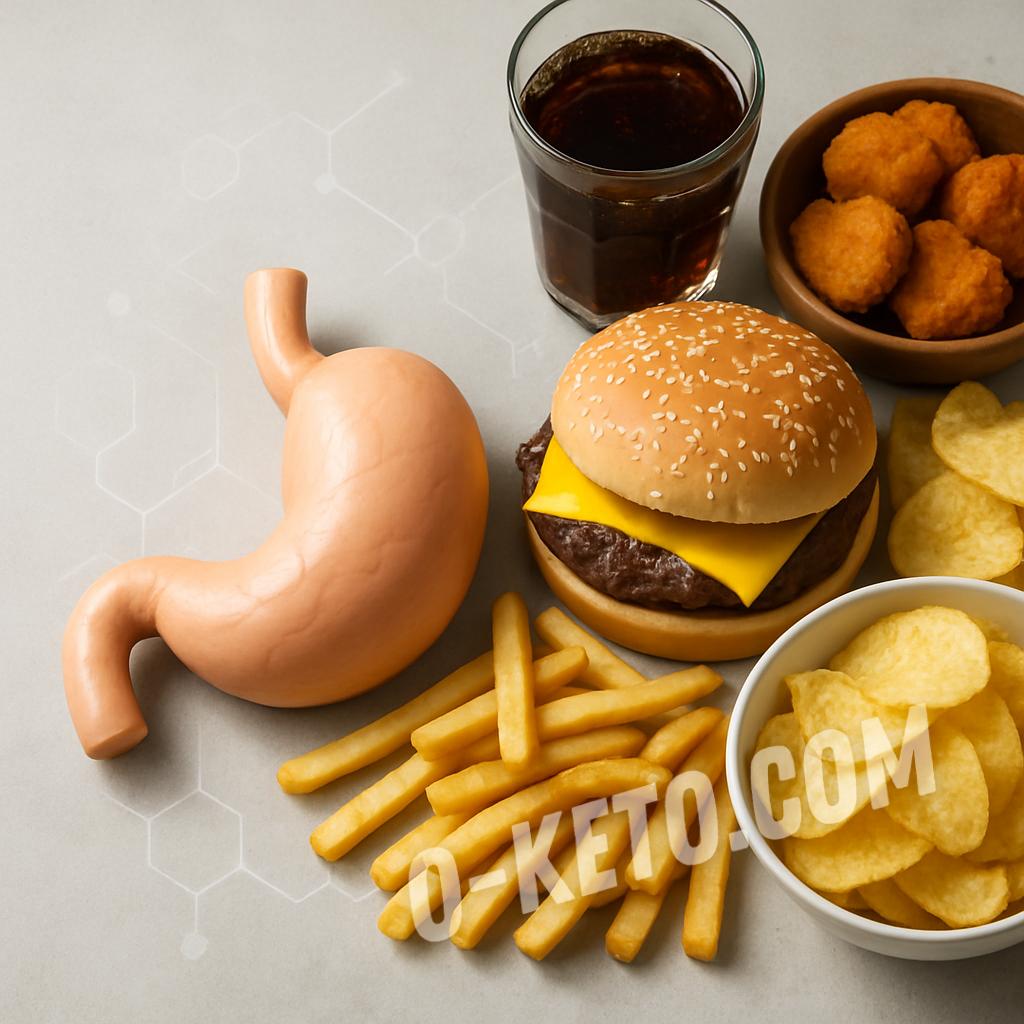
A hypercaloric diet is an eating pattern in which a person consumes more energy than they expend. This surplus may be intentional: for muscle gain, recovery after illness, treatment of low body weight, athletic preparation, or exit from a prolonged deficit. It may also be unintentional when extra calories accumulate through snacks, liquid calories, alcohol, ultra-processed food, and low activity. A surplus is not good or bad by itself. The key questions are the goal, surplus size, diet composition, training, digestive health, and metabolic background.
When it is needed
A hypercaloric diet can help someone with low body weight, muscle loss, high energy expenditure, recovery after surgery, severe illness, or under-eating. In sport, it supports muscle growth when resistance training provides the stimulus and protein, sleep, and energy support recovery. But extra calories without training more often increase fat mass. The phrase eat more is too crude. It matters what to eat, how much more, and how the result is monitored.
The surplus is usually kept moderate. A very large surplus accelerates weight gain, but it does not make muscle grow infinitely faster. The body has a limited rate of muscle protein synthesis. Extra energy more easily becomes fat, especially with low activity, poor sleep, insulin resistance, and many sweet foods. It is more practical to add calories gradually and watch body weight, waist, strength, appetite, digestion, and well-being.
Protein, fat, and carbohydrate
Protein is needed for muscle, immunity, enzymes, skin, blood, and repair. For muscle gain, many people use a range around 1.6–2.2 g of protein per kilogram of body weight or target weight, but the exact range depends on the person. Fat helps raise calories without a huge food volume. Olive oil, butter, avocado, fatty fish, eggs, cheese, nuts, and seeds are useful in LCHF. Carbohydrate can be kept low or moderate depending on the goal, training, and glucose response.
A low-carbohydrate hypercaloric diet is possible but requires care. If someone simply adds cream, butter, and nuts while missing protein and vegetables, the diet quickly becomes calorie-dense but micronutrient-poor. If they try to gain weight on lean meat alone without fats, the food volume becomes too large and hard to tolerate. A workable version usually combines dense protein foods, fats according to tolerance, vegetables, fermented foods, and, when needed, controlled portions of berries, yogurt, or starchier foods around training.
Risks of a surplus
The main risk is an unnoticed shift from recovery to chronic overeating. If the waist grows faster than strength, sleep worsens, glucose rises, blood pressure increases, and heaviness after meals appears, the surplus is too large or poorly built. In diabetes, insulin resistance, fatty liver disease, and hypertriglyceridemia, excess energy can worsen markers quickly even when some foods look healthy.
The opposite mistake also exists. A person with low weight may fear any fat and try to gain mass with salads, protein, and discipline alone. Calories remain too low, the gut is overloaded by volume, and weight does not rise. For such people, denser foods can help: eggs, fish, meat, cottage cheese, cheese, olive oil, butter, sugar-free nut butters, avocado, and homemade sauces. But early fullness, nausea, diarrhea, unexplained weight loss, or pain should prompt a search for medical causes rather than simply forcing more food.
How to monitor the result
A hypercaloric diet is best assessed through several signs. Weight should change at the desired pace, strength or function should improve, waist should not increase too quickly, digestion should remain tolerable, and laboratory markers should not worsen. Sleep, steps, training, stress, and medications all matter. If the goal is muscle gain, the surplus works poorly without a resistance-training stimulus. If the goal is recovery after illness, smaller meals more often, nourishing liquid meals, correction of deficiencies, and medical or nutrition support may be needed.
If you have any questions about the term "Hypercaloric diet", you can ask them to AI. Please note, a low-cost OpenAI model is used. It may answer questions about disease treatment with errors!


 1 / 4
1 / 4


 1 / 4
1 / 4 1 / 4
1 / 4 1 / 4
1 / 4