


COC and HRT use
Combined oral contraceptives and hormone replacement therapy may change micronutrient needs, which is why folates are often considered part of broader preventive nutritional support.
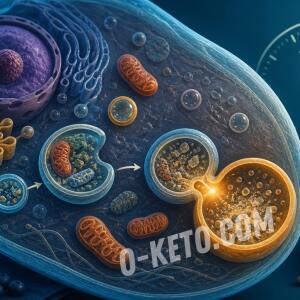
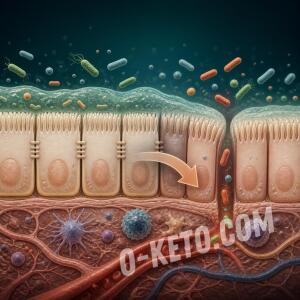



Combined oral contraceptive use and hormone replacement therapy create a distinct metabolic context in which micronutrient adequacy deserves more attention. This does not mean every woman using COCs or HRT will automatically develop deficiencies, but it does make sense to look more carefully at folates, B12, magnesium, vitamin B6, and the overall quality of the diet. The practical goal is to maintain a more stable background rather than waiting for fatigue, low mood, or unfavorable lab changes to accumulate.
Why folates are discussed here
Folates participate in cell division, homocysteine metabolism, and the broader folate cycle, so their adequacy matters not only in pregnancy but also in general metabolic balance. In the context of COCs or HRT, folates are sometimes considered a basic nutritional support measure, especially when the diet is monotonous, low in greens and protein, or when other signs of micronutrient strain are already present. In this setting, the role of folates is preventive and supportive rather than dramatic or pharmacologic.
This becomes especially relevant when hormone use coexists with stress, sleep loss, restrictive dieting, smoking, or higher liver burden. In those settings, nutritional resilience is often more fragile than it looks from outwardly normal day-to-day function.
What influences the need for support
Not every woman needs the same strategy. Age, food quality, body composition, activity, menstrual losses, thyroid status, liver function, sleep, and concurrent medication all matter. If the diet is varied and whole-food based, and labs and well-being are stable, support may be minimal. If food quality is poor, fatigue is chronic, homocysteine is elevated, or B12 and iron status are suboptimal, folates become a more practical topic.
On a low-carb or ketogenic diet, the same rule applies: the real content of the menu matters more than the label. Adequate greens, eggs, liver, protein, and non-starchy vegetables create one situation. A narrow repetitive low-carb menu creates another, with more room for deficiency.
How support is usually approached
In this context, folates are usually considered part of a wider support strategy rather than the only essential intervention. Physiologic doses are commonly used, and more active folate forms may be chosen when they fit the broader nutritional plan. At the same time, it is useful to look at B12, iron, magnesium, protein intake, and the general metabolic-lipid picture, especially when fatigue, lower stress tolerance, or unfavorable lab trends are present.
When HRT is used in peri- or postmenopause, this picture may also include changes in sleep, mood, body composition, and carbohydrate tolerance. In those situations, nutritional support makes more sense when reviewed broadly instead of being reduced to one single vitamin.
When caution is needed
Extra caution is sensible with complex hormone regimens, migraine with aura, liver disease, marked anemia, thrombosis history, or multiple concurrent medications. In such settings, nutritional support should remain logical, transparent, and not overloaded with unnecessary products. Often the biggest benefit comes not from adding more bottles, but from a careful review of diet and basic deficiencies.
Folates are best seen here as part of general preventive support alongside hormonal therapy rather than as a universal answer to every side effect. That perspective usually produces more realistic expectations and steadier results.
How usefulness is usually assessed
If fatigue, lower stress tolerance, monotonous eating, or unfavorable laboratory trends persist during COC or HRT use, it makes sense to evaluate folates together with B12, iron, and the broader quality of the diet rather than in isolation. Repeated labs and real clinical change are usually more informative than a subjective impression from one supplement. This kind of review helps clarify whether there is a meaningful nutritional gap or whether the main issue is sleep, stress, liver burden, or general metabolic strain.
Folates in hormonal-therapy support usually work best as part of a careful and proportionate strategy rather than an attempt to fix every possible side effect with one nutrient. The clearer the overall plan, the lower the risk of unrealistic expectations.
If you have any questions about the term "COC and HRT use", you can ask them to AI. Please note, a low-cost OpenAI model is used. It may answer questions about disease treatment with errors!


 1 / 4
1 / 4
 1 / 4
1 / 4
 1 / 4
1 / 4
 1 / 4
1 / 4 1 / 4
1 / 4 1 / 4
1 / 4