


Ursolic acid
A pentacyclic triterpenoid found in the waxy layer of plants, especially apple peel, rosemary, thyme and other aromatic herbs. In nutrition it matters as part of whole plant foods, not as a reason to replace food with concentrated extracts.
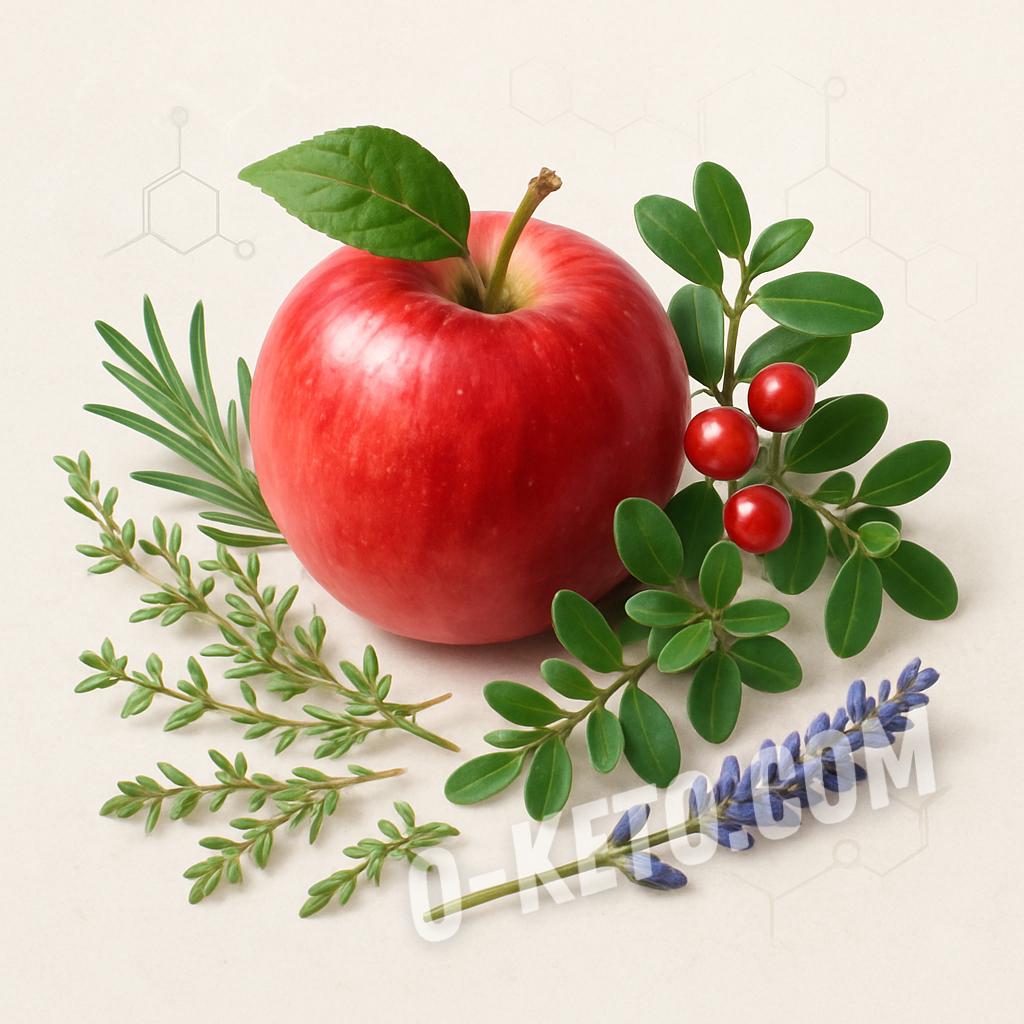
Ursolic acid is a pentacyclic triterpenoid, a compound plants use as part of their protective waxy surface. It is found in apple peel, rosemary, thyme, oregano, sage, basil, lavender, some berries and other plant foods. For humans it is not an essential nutrient like a vitamin or amino acid. It is a bioactive food compound that attracts interest because of its possible effects on inflammatory signaling, glucose handling, fat tissue and muscle metabolism. Most of the strongest data still come from cell and animal studies, so culinary herbs and concentrated supplements should not be treated as the same thing.
Food sources
Ursolic acid is usually richer in outer plant tissues than in sweet fruit pulp. It is concentrated in peel, leaves, waxy coatings and aromatic herbs. That is why apple peel is discussed more often than apple juice or apple puree. In rosemary, thyme, oregano and sage it appears together with other aromatic and protective substances that give these herbs their fragrance, bitterness, sharpness and resistance to oxidation.
In practical eating, this means the compound usually comes with polyphenols, essential-oil components, organic acids and fiber. On a low-carb diet it is usually easier to get it from herbs, spices, small portions of berries, leafy greens and whole foods than from large servings of fruit. One apple or a little peel in a recipe may fit some plans, but fruit juices, sweet purees and desserts change the carbohydrate picture quickly.
What mechanisms are being studied
Research on ursolic acid often looks at inflammatory mediators, oxidative stress, insulin sensitivity, lipid metabolism and pathways related to maintaining or building muscle tissue. Experimental studies have explored effects on AMPK, mTOR, NF-kB and genes involved in mitochondria, adipocytes and muscle fibers. These mechanisms make the compound interesting for metabolic medicine, sports nutrition and the study of age-related muscle loss.
The important caution is that laboratory findings do not translate directly into a meal. The amount found in a herb sauce, a serving of meat with rosemary or a piece of apple peel is much lower than doses used in many extract experiments. Food can support an anti-inflammatory, nutrient-dense dietary pattern, but it does not replace treatment for diabetes, sarcopenia, obesity, inflammatory disease or hormonal disorders.
Relevance for low-carb nutrition
For keto and LCHF eating, ursolic acid is most useful as a reminder that herbs and whole plant additions still matter. A low-carb diet does not have to be poor in phytonutrients. Rosemary, thyme, oregano, sage, basil, berries, greens and small amounts of fruit peel can complement meat, fish, eggs, cheese, vegetables and sauces. They improve flavor without sugar, make fatty dishes more balanced and often increase food enjoyment through aroma, bitterness and a sharper herbal profile.
A common mistake is using ursolic acid as a reason to eat large amounts of apples, sweet fruit or juice. Apples contain useful compounds, but they also contain sugar. If someone has marked insulin resistance, diabetes, strong cravings or is following a strict ketogenic plan, the source matters. Herbs and spices offer far more flexibility than fruit-based sources.
Supplements and caution
Concentrated ursolic acid extracts are not the same as cooking with herbs. Supplements provide higher doses, less food context and more uncertainty about tolerance. Possible problems include stomach discomfort, nausea, reactions to botanical extracts, medication interactions and added concern in liver or gallbladder disease. Pregnancy, breastfeeding, active chronic illness, glucose-lowering drugs, anticoagulants or multiple medications are reasons to discuss a supplement with a clinician instead of choosing it from marketing claims.
Another issue is the promise of effortless fat loss or muscle growth. Even when a mechanism looks plausible, human results depend on protein intake, resistance training, sleep, energy balance, hormones and the whole diet. Ursolic acid cannot compensate for too little protein, no training stimulus or chronic sleep debt.
How to use it in food
The most reasonable approach is not to chase the compound in isolation, but to use foods that naturally contain it. Rosemary and thyme pair well with lamb, beef, poultry, fish, mushrooms and roasted vegetables. Oregano and basil work in sauces, salads, olive-oil dishes, cheese dishes and moderate tomato-based recipes. Sage fits fatty meat, butter and eggs, although its flavor can dominate if used too heavily.
For a low-carb eater, the practical rule is simple: aromatic herbs can be used regularly, fruit sources can be adjusted to carbohydrate tolerance, and supplements should be reserved for clear goals with risk assessment. In that form, ursolic acid becomes part of thoughtful cooking rather than a magic capsule.
If you have any questions about the term "Ursolic acid", you can ask them to AI. Please note, a low-cost OpenAI model is used. It may answer questions about disease treatment with errors!


 1 / 4
1 / 4 1 / 4
1 / 4
 1 / 4
1 / 4
 1 / 4
1 / 4 1 / 4
1 / 4

