Current Health Crises
Modern health issues are attributed not to "genetic degradation" or inevitable aging, but to radical changes in the environment and diet over the past 100–150 years.
The primary crisis is the mass consumption of refined products, sugar, white flour, and industrially processed foods, which provide calories without accompanying vitamins and minerals. This leads to hidden but chronic malnutrition at the cellular level.
It is emphasized that conditions such as hypoglycemia, allergies, neuroses, depression, behavioral disorders, and many somatic diseases are the result of nutritional disruptions. Medicine often treats symptoms while ignoring the root cause—a biochemical imbalance created by lifestyle and diet.
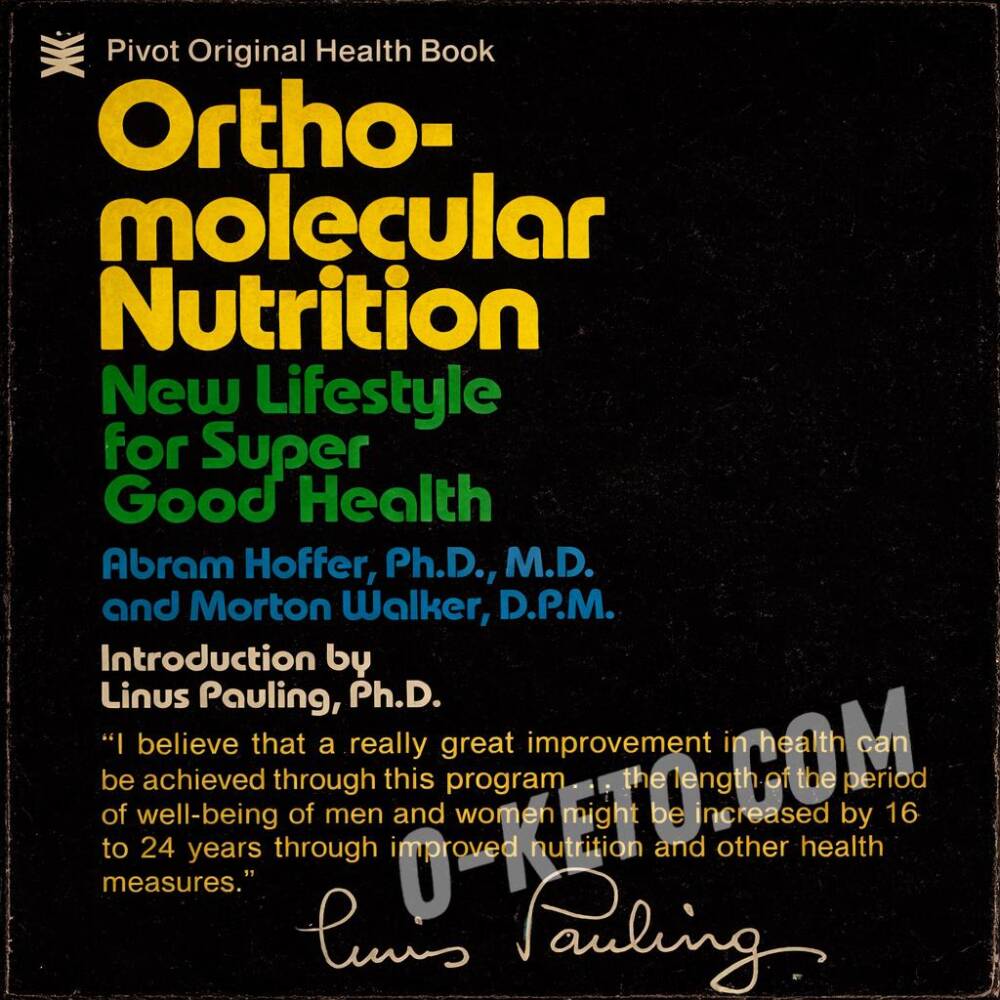
Orthomolecular medicine is an approach aimed at maintaining health and treating diseases by providing the body with optimal amounts of substances naturally present in the body: vitamins, minerals, amino acids, and fatty acids. The key idea is to focus not on minimal standards that prevent acute deficiencies, but on levels that are actually needed for full cellular function.
The authors emphasize the individuality of needs: different people require significantly different amounts of the same nutrients. Therefore, universal recommendations (RDA) are viewed as a guideline for the "minimum," which does not guarantee stable well-being or the prevention of chronic problems.
How Orthomolecular Therapy Works
Orthomolecular therapy views a person as a biochemical system, where mental and physical symptoms often arise from disrupted metabolism. If the psyche "malfunctions" against a backdrop of deficiencies and unstable energy (glucose, vitamins, minerals), then conversational methods or symptomatic medications may not be enough.
The practical basis is to eliminate "empty calories" and processed foods, restore the quality of the diet, and specifically add nutrients in doses that suit the individual. Examples are provided where pronounced psycho-emotional states significantly improved after dietary correction and nutritional support.
Orthomolecular Psychiatry
Orthomolecular psychiatry describes mental disorders as manifestations of disrupted brain biochemistry: deficiencies of B vitamins, minerals, and amino acids, as well as the consequences of blood sugar fluctuations. Depression, anxiety, behavioral disorders, and some severe disorders are viewed not as "purely psychological," but as conditions with a pronounced metabolic component.
A separate emphasis is placed on the therapeutic use of vitamins (in "optimal" doses), including forms of vitamin B3 (niacin/niacinamide), and on the role of sugar/hypoglycemia in exacerbating mental symptoms. The final conclusion is that with a proper nutritional strategy, some patients can emerge from chronic symptomatology and approach normal functioning.
Poor Nutrition and Mental Disease
Poor nutrition is considered one of the main hidden factors of mental disorders: when the diet consists of refined carbohydrates and "empty calories," the brain chronically lacks the vitamins, minerals, and amino acids needed for neurotransmitter synthesis and stable energy. Against this backdrop, anxiety, irritability, depression, sleep disturbances, and behavioral issues intensify—and this can easily be mistaken for a "purely psychological" problem.
The authors emphasize that the most important practical aspect is the nutritional history: without it, psychiatry often treats the symptom without seeing the cause (for example, blood sugar fluctuations, deficiencies of B vitamins, magnesium, zinc, etc.). The criterion for real recovery is the return of the person to normal life and productivity, not lifelong sedation.
Psychosomatic Conditions Resulting from Improper Diet
"Psychosomatics" in the book is often interpreted as the consequences of metabolic imbalance: improper food can create bodily symptoms (palpitations, spasms, pain, weakness, dizziness, brain fog), which are then interpreted as neurosis or "stress." The role of excess sugar and refined products is particularly highlighted: they provoke sharp fluctuations in glucose and an adrenaline response, which is subjectively experienced as panic, fear, irritability, and exhaustion.
The key idea is to first eliminate food triggers and stabilize basic physiology (sleep, regular meals, adequate protein/fat/micronutrient intake), and only then assess what remains "psychological."
Orthomolecular Nutrition
Orthomolecular nutrition is a practical strategy to provide cells with optimal amounts of nutrients considering individual differences. The foundation is the rejection of "junk food" and a return to whole foods that are evolutionarily "recognized" by the body, plus, if necessary, targeted nutritional support.
The authors constantly return to the principle: it is easier and safer for the body to work with nutrients than with foreign chemical substances, and deficiencies are more common than toxicity from reasonable therapeutic doses. Therefore, the basic therapy is nutrition, while supplements are used as a tool to correct specific weak links.
Part I The Optimum Diet
The "optimal diet" is built around whole foods and the exclusion of products that provide calories without nutrients: sugar, sweet drinks, white flour, and most ultra-processed products. Such a diet simultaneously reduces the burden on sugar/insulin regulation and increases nutrient density—that is, the amount of vitamins, minerals, quality protein, and natural fats per calorie.
The practical outcome of this part is to first eliminate "empty calories" and food chemical additives, then establish a stable eating regimen (without energy crashes and hunger), and only against this backdrop select individual nutrient "optidozes" for health tasks and symptomatology.
Part II Protein, Fat and Carbohydrate
This part thoroughly examines the role of macronutrients as the basis of metabolic and mental health. Protein is viewed not just as a building material, but as a source of amino acids for synthesizing neurotransmitters, enzymes, and hormones; its chronic deficiency is directly linked to depression, anxiety, and cognitive decline.
Fats are presented as a key element of cell membranes and nervous tissue, with an emphasis on the harm of low-fat diets for the brain and hormonal system. Carbohydrates are criticized not as a class, but by quality: refined sugars and starches cause sharp fluctuations in glucose and contribute to hypoglycemia, while whole foods are processed fundamentally differently.
Part III Vitamin Supplementation
Vitamins in the orthomolecular approach are viewed as active biochemical regulators, not as "supplements just in case." The authors introduce the concept of optimal (therapeutic) doses, which can significantly exceed official norms while remaining physiological and safe.
Particular attention is paid to B vitamins, vitamin C, and their roles in the functioning of the nervous system, stress adaptation, and recovery. Individual sensitivity is emphasized: some people need grams of vitamins, while others react to significantly smaller amounts. The criticism of RDA is based on the fact that they only prevent acute deficiency diseases but do not ensure optimal functioning.
Part IV Mineral Nutrients
Minerals are viewed as the structural and regulatory foundation of the body—from nerve impulse transmission to hormonal regulation and detoxification. The book details the importance of calcium, magnesium, zinc, manganese, selenium, and other elements, as well as the consequences of their deficiency for mental and somatic health.
Toxic elements and competition between minerals for absorption and binding sites in tissues are discussed separately. It is emphasized that mineral deficiencies often remain undiagnosed, but they can support chronic symptoms—from anxiety and cramps to fatigue and cognitive disorders.