


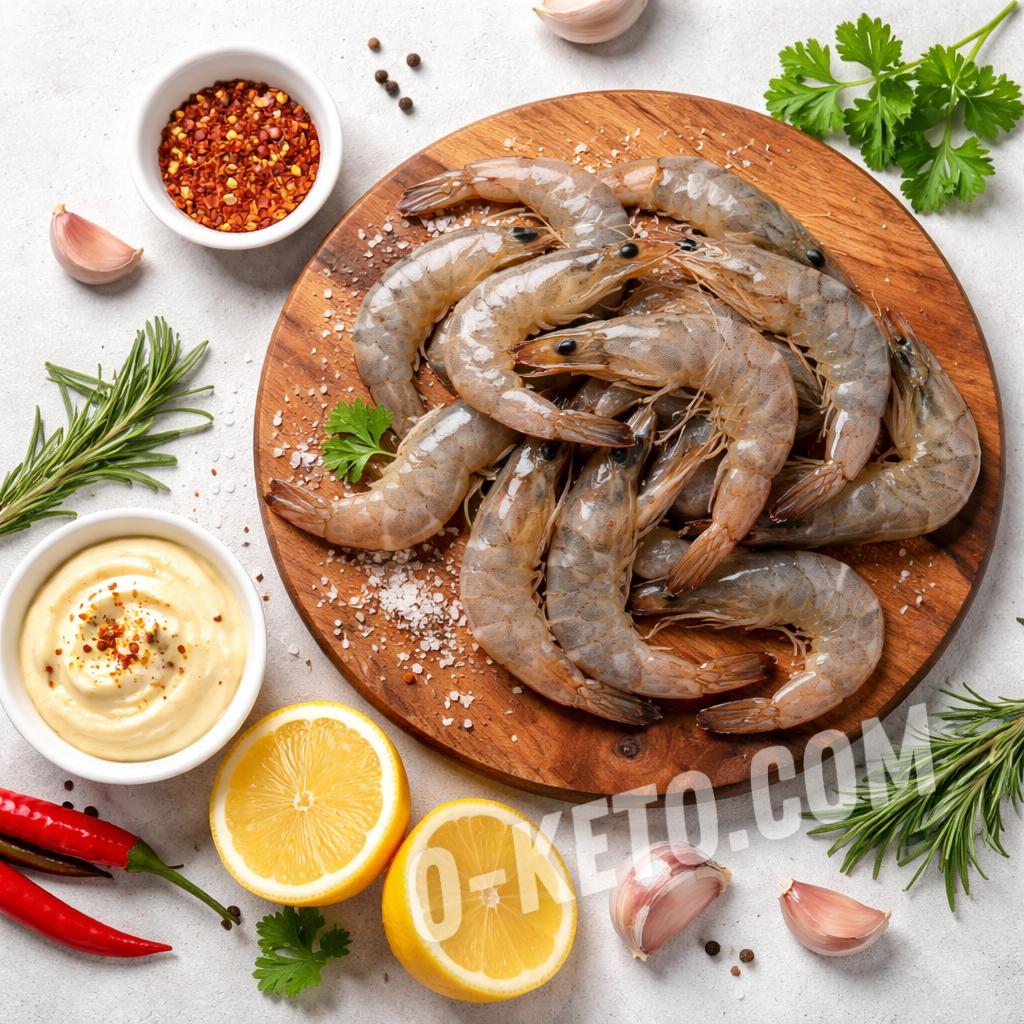

Shrimp is one of the most convenient seafood: they cook quickly, freeze well, and are suitable for both hot dishes and cold appetizers. The main task is to choose the right type of shrimp and not to “overcook” them, otherwise the meat will become dry and rubbery.
How to choose shrimp
Type of freezing. Most often, there are two options available, and they are cooked differently:
- raw-frozen: frozen immediately after catch and require full cooking;
- cooked-frozen: already boiled and frozen, no further cooking is needed.
Refer to the information on the packaging or price tag.
The color of the shrimp is not a reliable indicator of quality: it can depend on diet and habitat.
What to look for when buying:
- the glaze is thin and even, without large ice growths;
- the shell is intact, without dark spots and damage;
- the smell is neutral marine, without “ammonia” notes;
- the shrimp are not stuck together in a tight clump, which is often a sign of refreezing.
Chilled shrimp. If you bought chilled shrimp, store them in the refrigerator for no longer than a few hours and cook them as soon as possible. They have a more delicate and firm texture. If you are completely confident in their quality, such shrimp can be used without cooking in dishes like carpaccio or ceviche.
Thawing and storage
Proper thawing is half the success:
- thaw in the refrigerator for 12–24 hours depending on size;
- do not thaw in warm water and do not leave at room temperature for long;
- once thawed, shrimp cannot be refrozen.
Transfer shrimp from the freezer to the refrigerator in advance so they thaw slowly and do not lose juiciness.
Preparation before cooking
Before cooking, shrimp should be prepared — this affects both taste and appearance:
- remove the intestinal vein by making a careful cut along the back;
- if cooking in the shell, cut the shell with scissors to easily remove the vein;
- if desired, soak for 20–30 minutes in brine for even salting, then rinse.
How to cook raw-frozen shrimp
Raw-frozen shrimp must be cooked thoroughly. They cook quickly, so the most important thing is not to overcook them.
The best cooking methods:
- steaming;
- pan-frying;
- grilling;
- deep-frying.
How long to cook to avoid drying out. Usually, 2–4 minutes is enough depending on size. Signs of readiness are simple: the meat becomes opaque and firm, and the shrimp curl into a “c” shape.
If the shrimp curl into a tight “ring” and become tough, they are overcooked.
How to use cooked-frozen shrimp
Cooked-frozen shrimp are already prepared, so their task is not to cook but just to heat up. The best options:
- eat cold in salads and appetizers;
- add to hot dishes at the very end, just to warm them up;
- blanch for up to 1 minute in boiling water for serving warm.
Spices and combinations
For raw-frozen:
- garlic;
- parsley;
- rosemary;
- chili pepper;
- lemon juice;
- tomato sauce;
- fruit sauce;
- mayonnaise or aioli.
For cooked-frozen:
- dill;
- bay leaf;
- black pepper;
- allspice;
- mayonnaise or aioli.
Conclusion
Common mistakes:
- choosing shrimp by color instead of type of freezing and quality;
- thawing quickly in warm water, which causes loss of juiciness;
- overheating cooked-frozen shrimp, turning them into “rubber”;
- frying in an overcrowded pan, causing the shrimp to start stewing.
First, determine whether you have raw-frozen or cooked-frozen shrimp, thaw them slowly in the refrigerator, and cook for the minimum time possible. Then the shrimp will be juicy, firm, and truly delicious.


