


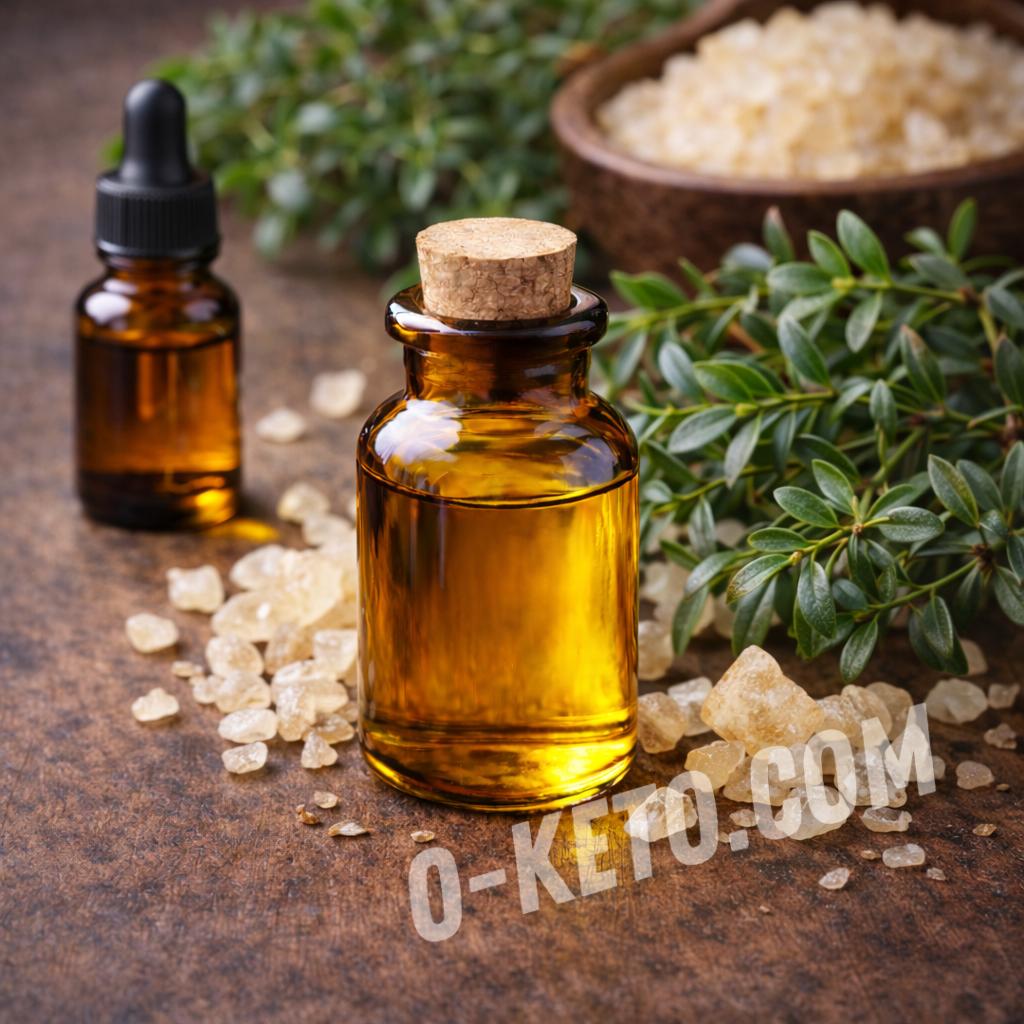

Pistachio essential oil (Pistacia lentiscus) is a natural product obtained from the resin (mastic) of a tree that grows in the Mediterranean region. The oil is valued for its warm resinous-woody aroma and wide range of applications, from aromatherapy to cosmetic care.
Historically, mastic has been used as a flavoring additive and as a component of traditional practices for supporting well-being.
Today, pistachio essential oil is particularly popular due to its pleasant aroma, high concentration of active substances, and good compatibility with other essential oils in blends.
History and Origin
Pistacia lentiscus has been known since ancient times. The most famous region associated with mastic is the Greek island of Chios, where the resin of the tree is traditionally harvested. Mastic was used as aromatic raw material, an additive in domestic and ritual practices, as well as a component of traditional medicine.
Over time, mastic became a valuable commodity in trade between the Mediterranean and the Middle East. It was used in cooking, in perfumery compositions, and in home care remedies.
Interest in mastic essential oil remains today: it is in demand in aromatherapy and cosmetology due to its characteristic aroma and functional properties.
Composition and Beneficial Properties
The composition of pistachio essential oil may vary slightly depending on the origin of the raw material and the method of extraction. Typically, it is dominated by terpene compounds that shape the aroma and the main effects of the oil.
Key Components
- Myrcene — a terpene that contributes to the resinous-herbaceous note.
- Pinenes — provide a fresh pine-terpene base.
- Limonene — adds a light citrus facet and supports antioxidant potential.
- Phenolic and aldehyde fractions — contribute to antiseptic and anti-inflammatory properties.
Main Properties
- Antiseptic — can help maintain skin cleanliness in diluted mixtures.
- Anti-inflammatory — suitable as an auxiliary component in care for irritation (only when diluted).
- Antioxidant — helps maintain the barrier functions of the skin in cosmetic care.
- Soothing — the aroma is often used to reduce tension and improve emotional background.
Application of Essential Oil
In aromatherapy, mastic oil is valued for its “warm” aroma, which helps create a sense of calm and stability. It unfolds well in a diffuser and in soft relaxing blends.
Diffuser
- Dosage: 2–4 drops per standard diffuser reservoir.
- When appropriate: during tension, fatigue, emotional overload.
- Combinations: frankincense, cedar, lavender, neroli, orange, lemon.
Aromatherapy Bath
- Important: mix the oil with an emulsifier (salt/honey/base oil) before adding it to water.
- Dosage: 3–6 drops per bath.
Application in Cosmetology
In cosmetic care, mastic oil is used as a component in mixtures for the skin and sometimes for hair. It can help maintain a more even skin texture and reduce discomfort in cases of inflammation.
Skin Care
- Spot application: only when diluted and only on small areas.
- Adding to a ready base: 1 drop per 30 ml of cream/lotion.
- Oil blend: 1 drop per 10 ml of base oil (jojoba, almond, grape seed).
Hair Care
- In shampoo/mask: 1 drop per portion of the product before use.
- In an oil blend for the scalp: 1 drop per 10–15 ml of base oil.
Usage Recommendations and Precautions
To use safely:
- Always start with minimal dosages.
- Before the first use, perform a sensitivity test: 1 drop per 10 ml of base, apply to a small area of skin for 24 hours.
- Do not use undiluted and do not apply to mucous membranes.
- If irritation or worsening occurs, discontinue use.
Who should be particularly cautious:
- Pregnancy and lactation: use only after consulting a specialist.
- Allergies and sensitive skin: increased risk of reaction.
- Chronic conditions and medication: better to coordinate use with a doctor.
Conclusion
Pistachio essential oil is a fragrant resinous-woody oil with a wide range of applications. It is suitable for aromatherapy, relaxing rituals, and careful cosmetic care in diluted mixtures.


