


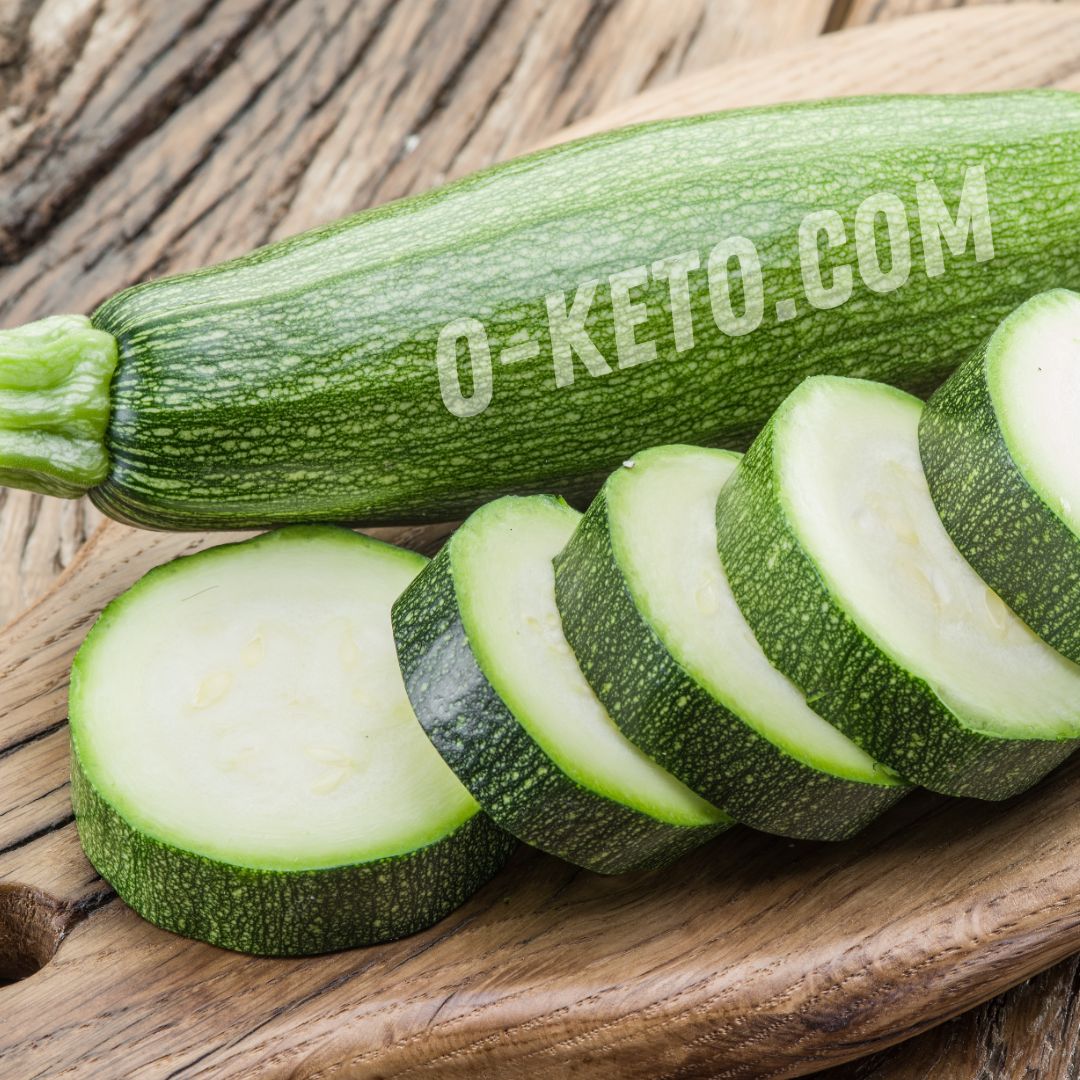

Zucchini are mild summer vegetables with a neutral flavor that easily takes on the aroma of oil, spices, cheese, meat, and sauces. They can be fried, stewed, roasted, added to flourless fritters, turned into low-carb noodles, or used as a base for casseroles.
Zucchini contain water, dietary fiber, vitamin C, B vitamins, potassium, magnesium, and small amounts of iron. They also contain carotenoids, including lutein and zeaxanthin, especially when the skin is used.
Nutrition
One medium zucchini contains about 33 kcal and around 6 g of carbohydrates, some of which are fiber. A glycemic index of about 15 is considered low, and the glycemic load of a typical serving is small.
Is it keto-friendly?
Zucchini fit well into a keto diet because they add volume, juiciness, and texture with a moderate amount of carbohydrates. They are especially useful when replacing pasta, a potato base, or part of the flour in savory dishes.
How to use them
Zucchini release water quickly, so when frying or roasting it is better to cook them over high heat or lightly salt and squeeze them first. Good keto options include:
- zucchini noodles with butter, pesto, cream sauce, or shrimp;
- a casserole with cheese, eggs, minced meat, or chicken;
- fried slices with garlic, herbs, and olive oil.
How to choose
Choose small, firm zucchini with thin skin and no soft spots. Overgrown zucchini are often watery, with large seeds and less tender flesh.
Limitations
The vegetable itself is low in carbohydrates, but the final dish may no longer be keto if flour, breading, sweet sauce, or starchy thickeners are added.
What to substitute
For noodles, cucumber can work in cold dishes, spaghetti squash in moderate amounts, or finely sliced cabbage. For baking, eggplant, cauliflower, or broccoli can be used, but the flavor and moisture level will differ.
Portion and Water
Zucchini seem light, but they can be tricky in cooking because they contain a lot of water. If cut too large and cooked slowly, they quickly become soft and watery. For frying, use high heat, a wide pan and avoid overcrowding.
For fritters, casseroles and pizza-style bases, zucchini is often grated, salted and squeezed. This is not just a detail: excess liquid can ruin the texture and force you to add more flour or thickener, which is worse for keto.
Zucchini as a Pasta or Potato Substitute
Zucchini noodles give shape and volume, but they do not match regular pasta in density. They are best cooked very quickly and mixed with a rich sauce: creamy, cheesy, pesto, garlic butter or a shrimp sauce. If overcooked, the noodles release water and become soft.
In casseroles, zucchini can replace part of the potato or grain base, but it needs protein and fat: eggs, cheese, minced meat, chicken, fish, sour cream or cream. Then the dish becomes more filling, not just vegetable bulk.
Skin, Seeds and Storage
Young zucchini are usually cooked with the skin on: it helps hold shape and adds color. In large overgrown zucchini, the skin can be tough and the seeds too large; they are better removed, especially for casseroles and fritters.
Store zucchini dry and whole, not in a wet sealed bag. Cut zucchini loses texture quickly, so it is best used soon. If zucchini tastes bitter, do not eat it: that flavor can indicate unwanted compounds in the fruit.
What to Pair Them With
Zucchini take well to garlic, basil, dill, parsley, thyme, lemon, olive oil, cream, cheese and minced meat. Because the flavor is neutral, they can carry stronger ingredients, but on their own they rarely taste rich without salt, fat and spices.
In keto dishes, zucchini pair well with eggs, chicken, pork, beef, shrimp, tuna, feta, mozzarella or parmesan. The vegetable adds volume and juiciness, while protein and fat provide satiety.
Common Mistakes
The most common mistake is adding flour to “save” a watery mixture. It is better to remove excess moisture first: salt and squeeze, fry in small batches or roast on a rack. This keeps the dish low in carbohydrates and prevents heaviness.
When Not to Use Zucchini
Zucchini should smell fresh and neutral. Soft spots, slime, mold, a clearly sour smell or strong bitterness are reasons to discard the vegetable rather than hide the flavor with spices. In recipes with cheese, cream and minced meat, a spoiled zucchini can be harder to notice at first, so checking it before cutting matters more than it seems.


