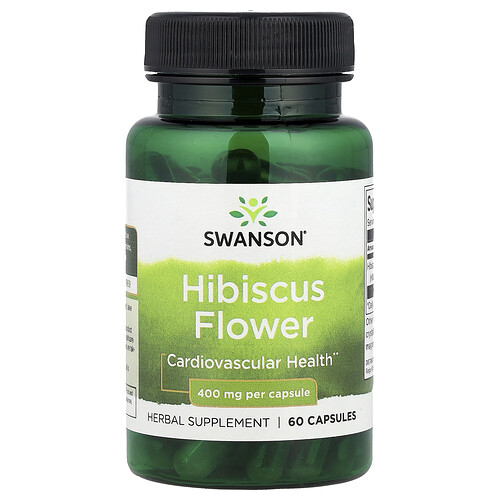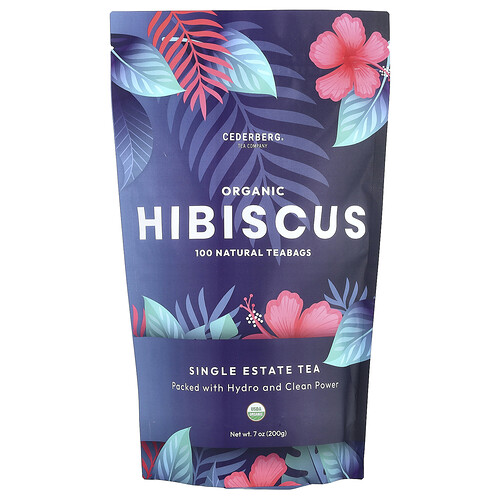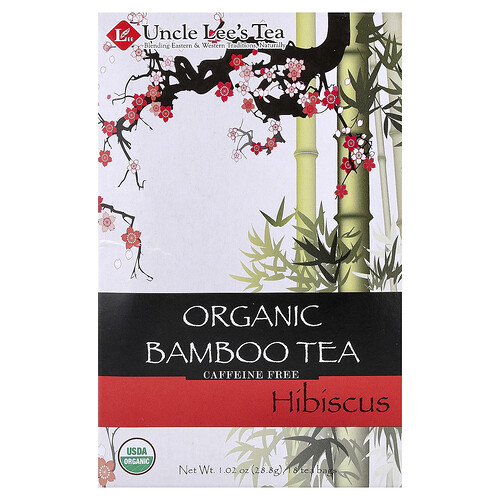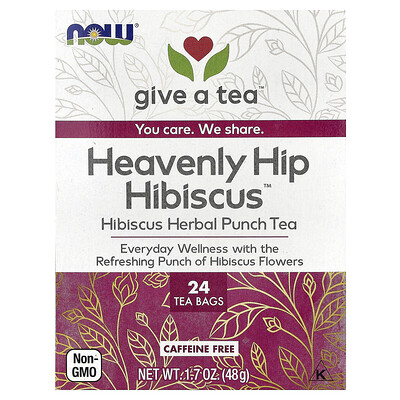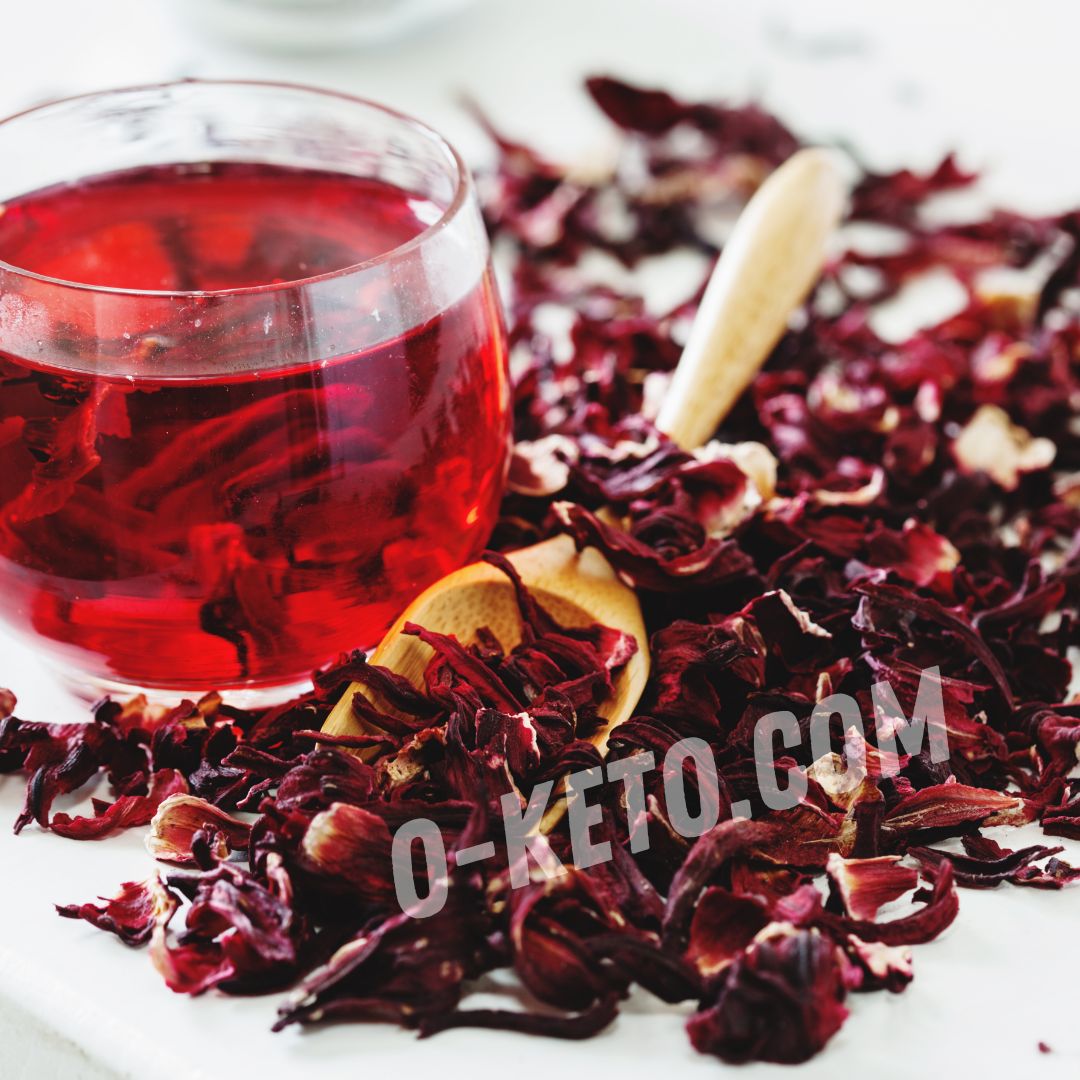

Hibiscus tea is a tart ruby-colored infusion made from dried hibiscus calyces. It is drunk hot or cold and used as a base for unsweetened drinks, spiced teas, marinades and sauces. The flavor is bright: cranberry-like acidity, light astringency and deep red color without fruit juice.
Older descriptions often attribute too many effects to hibiscus. In everyday eating, the practical properties matter more: the drink is almost calorie-free, contains no sugar if unsweetened, and can replace compotes and fruit drinks, but it remains acidic and does not suit everyone in large amounts.
Nutrition
Unsweetened hibiscus infusion usually contains about 1 kcal per 100 ml and less than 0.1 g of carbohydrates. Its glycemic index can be treated as zero because there is almost no sugar. This is true only for the infusion without honey, syrups, sugar, dried fruit or sweetened blends.
Hibiscus calyces contain organic acids, anthocyanins, small amounts of minerals and vitamin C, but a normal cup should not be treated as a vitamin supplement. The main value in the diet is flavor and the ability to drink a bright beverage without sugar.
Is It Keto-Friendly?
Hibiscus fits keto and LCHF well when prepared without sugar. It helps satisfy the desire for a tart drink when plain water becomes boring and juices or compotes do not fit the carbohydrate limit. Cold hibiscus with lemon, mint, cinnamon or ice can replace sweet tea and berry drinks.
If sweetness is needed, use a suitable sweetener in a small amount and avoid turning the drink into a constant dessert. Hibiscus acidity masks sweetness well, so it is easy to over-sweeten.
How to Brew It
Hibiscus is easier to brew well when the method matches the goal. For a hot drink, water around 90-95 °C and about 5-7 minutes is usually enough for a bright flavor without too much harshness. If a softer and more refreshing result is needed, cold infusion in the refrigerator for several hours often works better. That approach gives a smoother acidity and is especially useful when the drink is served unsweetened.
Very long steeping makes hibiscus heavier, more tart, and more astringent. This matters even more when the drink will be chilled later, because acidity often feels sharper once cold. For a milder cup, it is better to start with a moderate infusion and then adjust strength by time or by the amount of dried hibiscus rather than extracting everything at once.
For a hot infusion, pour water at about 90-95 C over the calyces and steep for 5-10 minutes. For a softer taste, use cold infusion: cover hibiscus with cold water and leave it in the refrigerator for several hours. This method gives less harshness and works well for summer drinks.
Hibiscus pairs well with:
- lemon, lime, mint and ice;
- cinnamon, cloves, cardamom and ginger;
- sugar-free sparkling water;
- a small portion of berries for aroma;
- unsweetened sauces for duck, pork or cheese.
How to Choose and Store
Good hibiscus consists of large dark-red calyces without dust, mold or musty odor. Very pale raw material often gives a weak infusion. If the blend is flavored, check for sugar, candied fruit, syrup granules or sweetened berries.
Store hibiscus in a dry closed jar, away from light and strong-smelling spices. Keep prepared infusion in the refrigerator and use it soon; an acidic drink should not stand on the table all day.
Limits
Hibiscus is acidic, so with a sensitive stomach, reflux or reactions to tart drinks, the portion is better reduced. People taking blood pressure medication or diuretics should also be careful: large amounts of acidic herbal infusions are better discussed individually.
Serving and Flavor
A normal serving of hibiscus is a 200-300 ml cup. If the infusion is too tart, it is better to use less raw material or shorten steeping time rather than add a large amount of sweetener. Cold infusion also softens the taste and makes the drink less sharp.
For keto, sugar-free concentrates are especially convenient: a strong infusion can be kept in the refrigerator and diluted with water, ice or sparkling water. This makes flavor easier to control without brewing a new portion each time.
Culinary Use
Hibiscus is not only for drinks. The tart infusion can be reduced into a sauce for duck, pork or cheese, used in a marinade instead of part of the vinegar, or added to sugar-free jelly. Its color is strong, so even a small amount tints creams, drinks and sauces.
If hibiscus is used in the evening, personal tolerance of tart drinks and the amount of liquid before sleep matter. The infusion is not similar to coffee, but a large mug of cold acidic drink late at night can be inconvenient simply because of volume and acidity.
For children, hibiscus is usually brewed weaker and not served very tart. In family cooking, it is convenient to prepare a strong sugar-free base and let each person dilute it with water, ice, lemon or a small amount of sweetener.