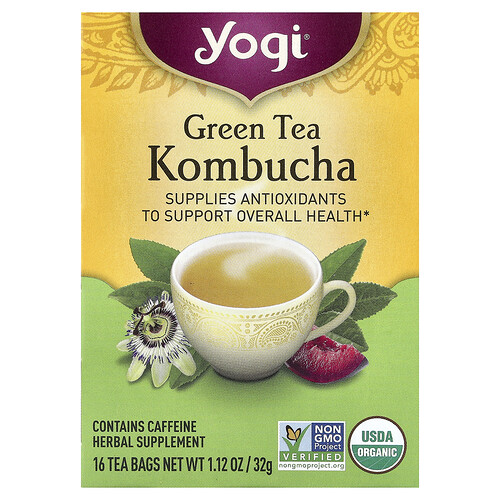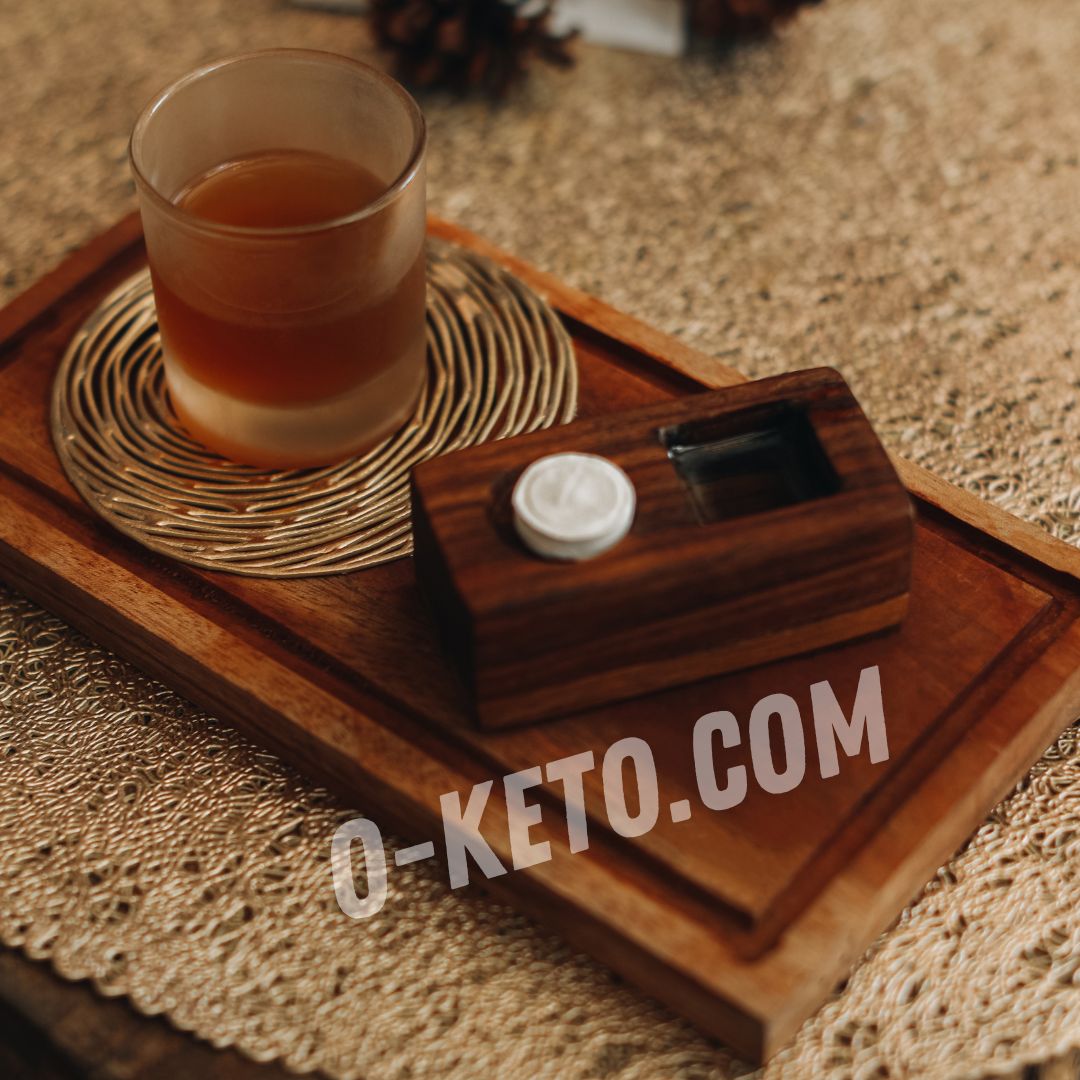

Kombucha is fermented tea with a sweet-sour taste and light carbonation. It is made from tea, sugar, and a symbiotic culture of bacteria and yeasts, often called SCOBY. During fermentation, part of the sugar is processed, and organic acids, aroma compounds, carbon dioxide, and a small amount of alcohol appear.
Its taste may resemble iced tea, apple cider vinegar, cider without obvious alcohol, or a tart lemonade. The result depends on the tea, sugar amount, fermentation time, temperature, second fermentation, and additions such as ginger, berries, citrus, mint, or spices. For that reason, two bottles with the same name can differ greatly in carbohydrates and acidity.
The main mistake is to treat kombucha as automatically low-carb just because it is fermented. Fermentation reduces part of the sugar, but does not always remove it completely. Commercial versions are often sweetened again with juice, syrup, fruit puree, or sugar after fermentation to make the taste softer and easier.
Nutritional value
Kombucha is usually low in calories, but the range is wide. In 240 ml there may be roughly 10 to 80 kcal and 2 to 16 g of carbohydrates, sometimes more. Homemade kombucha is harder to count: without testing or a precise recipe, it is impossible to know confidently how much sugar remains after fermentation.
The drink may contain organic acids, traces of B vitamins, tea polyphenols, minerals from water and raw materials, and live microorganisms if it is not pasteurized. Still, kombucha is a drink, not a source of protein, fats, or meaningful vitamins. Its role in the diet is taste, acidity, and replacing sweet soda when the composition fits.
Is it suitable for keto?
For keto and LCHF, kombucha is acceptable only after checking carbohydrates per serving. If a bottle contains 2–4 g of sugar per 100 ml, a large volume quickly becomes a noticeable part of the daily limit. A more convenient option is dry, tart kombucha without added juice or syrups, in a small 100–150 ml portion.
Strict keto is less forgiving with drinks of uncertain sugar content. If ketosis matters, homemade kombucha should not be drunk by the liter or treated as “zero”. It is better to read the label, measure the portion, and count the drink with the rest of the day’s carbohydrates.
How to choose
On the label, sugar and carbohydrates per 100 ml matter more than words such as raw, organic, or fermented. The ingredient list should be clear: tea, sugar as fermentation feed, culture, water, and sometimes natural aromatic additions. If juice, concentrate, agave syrup, cane sugar after fermentation, or fruit puree is listed, carbohydrates are usually higher.
Pasteurized kombucha keeps more predictably, but it does not contain a live culture. Unpasteurized kombucha needs refrigeration and careful storage. Strong bottle swelling, a solvent-like smell, mold, slime outside the usual culture, or unpleasant bitterness are reasons not to drink it.
How to drink it
It is better to start with a small portion, especially if fermented acidic drinks are unfamiliar. Kombucha is served chilled, on its own or with food. It can be diluted with sparkling water, served with ice, lemon, mint, ginger, or used as a tart base for a sugar-free mocktail.
In keto cooking, kombucha can sometimes work as an acidic component in marinades for fish, chicken, or pork, but heating weakens the aroma. In sauces, it can replace part of vinegar or lemon juice when a tea-like acidity is wanted. Sweet varieties are better kept for cases where carbohydrates are counted in advance.
Limitations
Kombucha is acidic and carbonated, so it may intensify heartburn, bloating, or discomfort with a sensitive stomach. Unpasteurized versions contain live fermentation, and any kombucha may contain a little alcohol. Children, pregnant people, those who tolerate fermented products poorly, and anyone avoiding alcohol completely should choose especially carefully or skip it.
Home brewing requires cleanliness, suitable vessels, and mold control. Dirty jars, a doubtful culture, reactive metal vessels, or leaving the drink warm without checking are bad ideas. If the look or smell is suspicious, it is safer to discard the batch.
How to store it
Finished kombucha is kept in the refrigerator. Even in the cold, fermentation may continue slowly, so pressure in the bottle can rise. Open it carefully, especially after long storage. After opening, the taste changes faster, carbonation escapes, and acidity may feel stronger.
What can replace it?
If a tart carbonated sugar-free replacement is needed, sparkling water with lemon, iced tea with a small amount of apple cider vinegar, erythritol lemonade, or sparkling water with ginger and lime can work. If a fermented taste is needed, sugar-free sauerkraut brine diluted with water is possible, but the flavor will be completely different.