


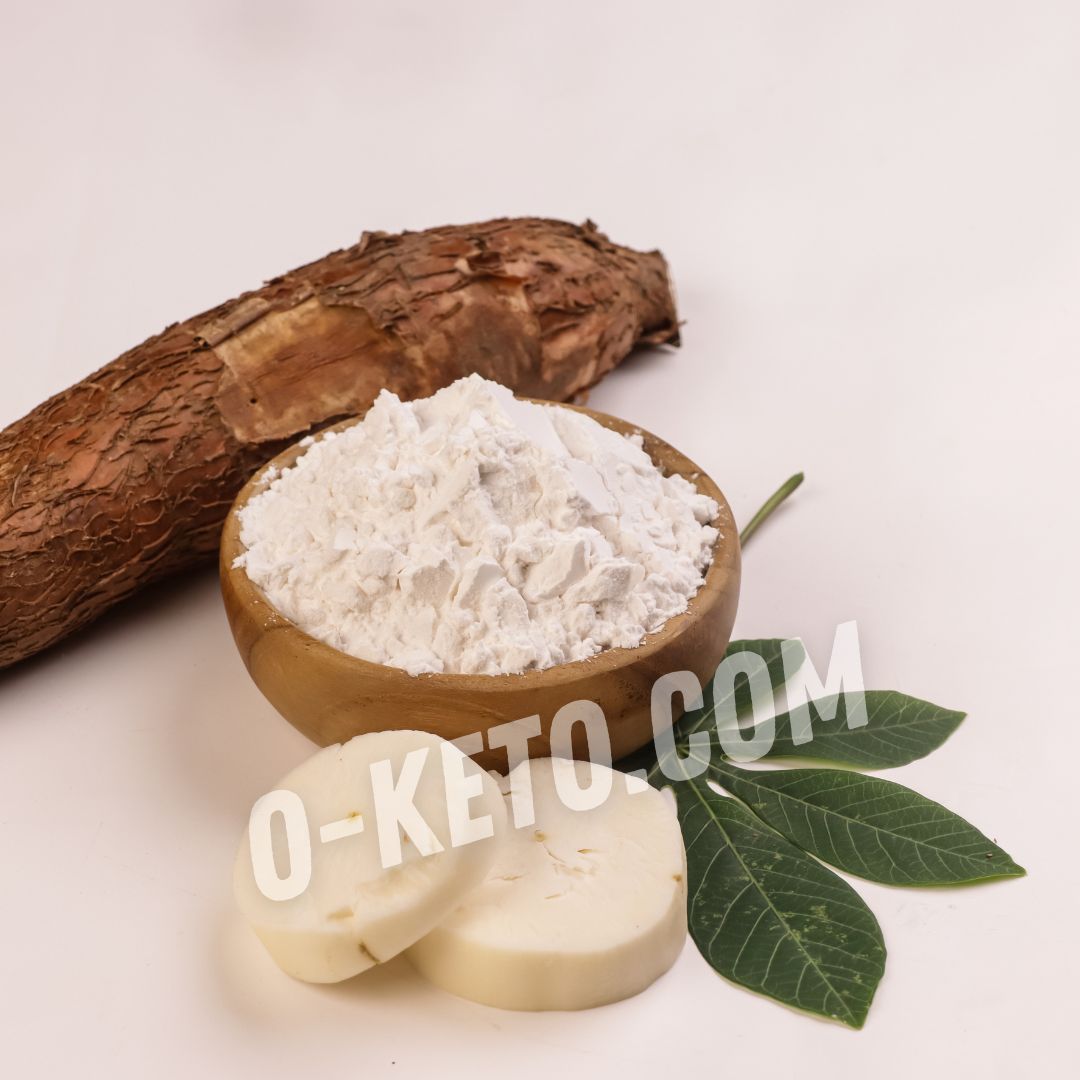

Tapioca flour is a starchy product made from cassava root, also known as manioc. The roots are cleaned, ground, the starch is washed out, then the mass is dried and milled. In cooking, tapioca is valued for binding moisture, adding elasticity, clear thickening and a soft texture in doughs, sauces, puddings and gluten-free blends.
Per 100 g, tapioca flour is often listed at about 330 kcal, about 1 g of protein, 0 g of fat and around 86 g of carbohydrates. The glycemic index is around 70. It is almost pure starch, so for strict keto it is usually unsuitable even though it is gluten-free and plant-based.
Nutrition
Tapioca flour provides almost no protein, fat or fiber. Its role is carbohydrates and technology. It makes dough more elastic, helps retain moisture, thickens sauces and gives a characteristic stretchy texture. That is why it is often used in gluten-free mixes and Asian desserts.
Gluten-free does not mean low-carb. For people avoiding gluten, tapioca can be convenient. For keto, the issue is different: starch quickly takes up the daily carbohydrate limit. Even 10-15 g of flour may be meaningful in a strict diet.
Is It Keto-Friendly?
For strict keto, tapioca flour usually does not fit. It may appear in “sugar-free” or “gluten-free” recipes, but those recipes are not necessarily low-carb. If it is used as a small thickener in a large pot of sauce, the serving may be small, but it still needs counting.
For LCHF, the decision depends on personal carbohydrate limit and serving size. In most cases, another thickener or flour is easier. Ready mixes for bread, pancakes and desserts need special caution: tapioca is often combined with rice, corn or potato flour.
How to Use It
If tapioca is used, it is usually added little by little. It works in hot sauces, fillings, pancakes and gluten-free dough, but it easily makes the texture sticky. For keto recipes, it is more of a rare technical ingredient than a main flour.
Practical options outside strict keto include:
- thickening sauce with a small amount;
- adding elasticity to a gluten-free flour blend;
- pudding or dessert where carbohydrates are counted in advance;
- a small amount for coating if the diet allows it;
- mixing with other flours according to a recipe.
How to Choose and Store
The ingredient list should contain only tapioca or cassava starch. The names “tapioca flour” and “tapioca starch” are sometimes used almost interchangeably, so check what the exact recipe needs. Sugar, flavorings and ready mixes are undesirable if carbohydrates are being controlled.
Store the flour dry, tightly closed, away from moisture and strong smells. Starch clumps easily when damp. If musty smell, insects or wet lumps appear, it is better not to use the product.
Limits and Substitutes
The main limit of tapioca is its very high starch content. For keto, it is not “just a little flour,” but a concentrated carbohydrate source. It can also create a gluey texture if too much is added, and it does not replace wheat flour one to one in every recipe.
Keto recipes more often use almond flour, coconut flour, flax meal, psyllium, xanthan, guar gum, gelatin, eggs or cream cheese. The replacement depends on the task: for thickening, xanthan or reduction may work; for baking, low-carb flour blends with eggs and psyllium are more suitable.
Portion and Common Mistakes
If tapioca is used in a less strict diet, start with 1 teaspoon as a thickener and count carbohydrates for the whole pot. In doughs and desserts, the portion is usually larger, so “a little for texture” quickly becomes a meaningful starch source. A common mistake is treating a gluten-free blend as keto-friendly simply because it contains no wheat. Rice flour, potato starch, corn starch and tapioca create a similar issue: many carbohydrates with little protein or fat.
Flour, Starch and Tapioca Pearls
In recipes, it is important to distinguish tapioca flour or starch from tapioca pearls used in desserts and bubble tea. Flour and starch are fine white powders used for thickening and structure. Pearls are a shaped starch product, usually boiled until chewy and often served in sweet drinks.
For keto, the difference does not make tapioca low-carb: both powder and pearls remain starchy. But confusing them can ruin a recipe. Powder thickens sauce, while pearls will not dissolve in the same way and will create a completely different texture and carbohydrate portion.
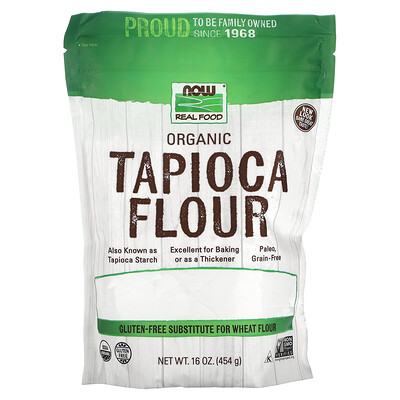
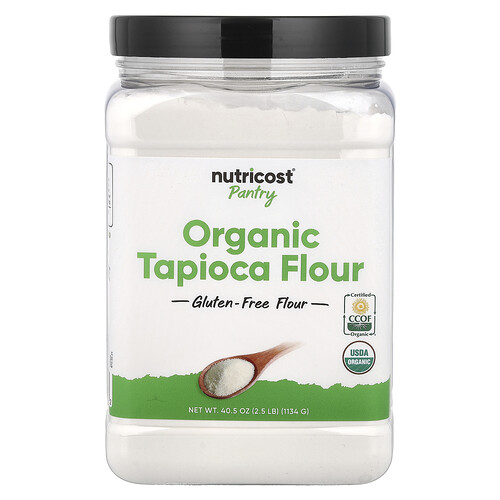
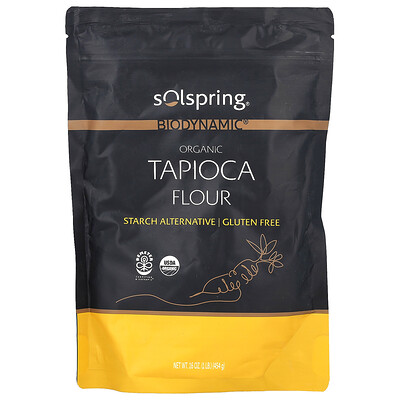
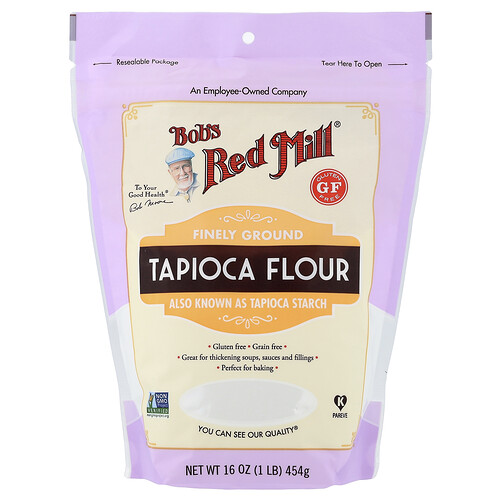
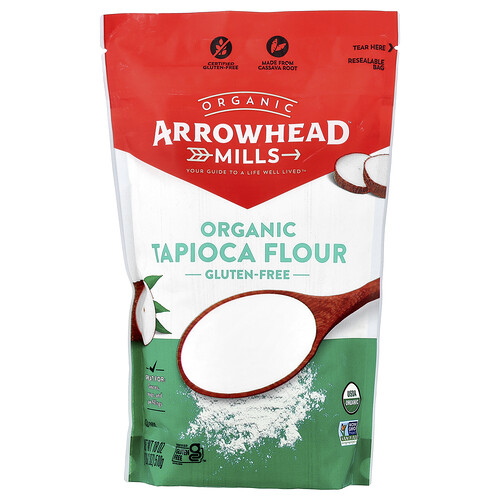
Substitution options in recipes
Arrowroot starch. In a one-to-one ratio. Both provide a viscous but transparent thickening without taste and gluten. Arrowroot gels at a lower temperature (≈70 °C) — remove the sauce from the heat a little earlier.
Starch. 0.35 g of agar-agar to 0.65 g of potato starch. The combination mimics the "chewiness" of tapioca: agar provides a firm gel, while potato starch adds stretchiness. It works in pearls or pudding, but the color is slightly murkier.
Almond flour. 4 cups of flour plus 1 cup of psyllium plus ¼ cup of xanthan. Almonds provide volume, psyllium retains moisture and mimics chewiness, xanthan binds the dough. The ratio replaces 1 tablespoon of tapioca in batter or cheese rolls; net carbs drop by 8–10 times.


