


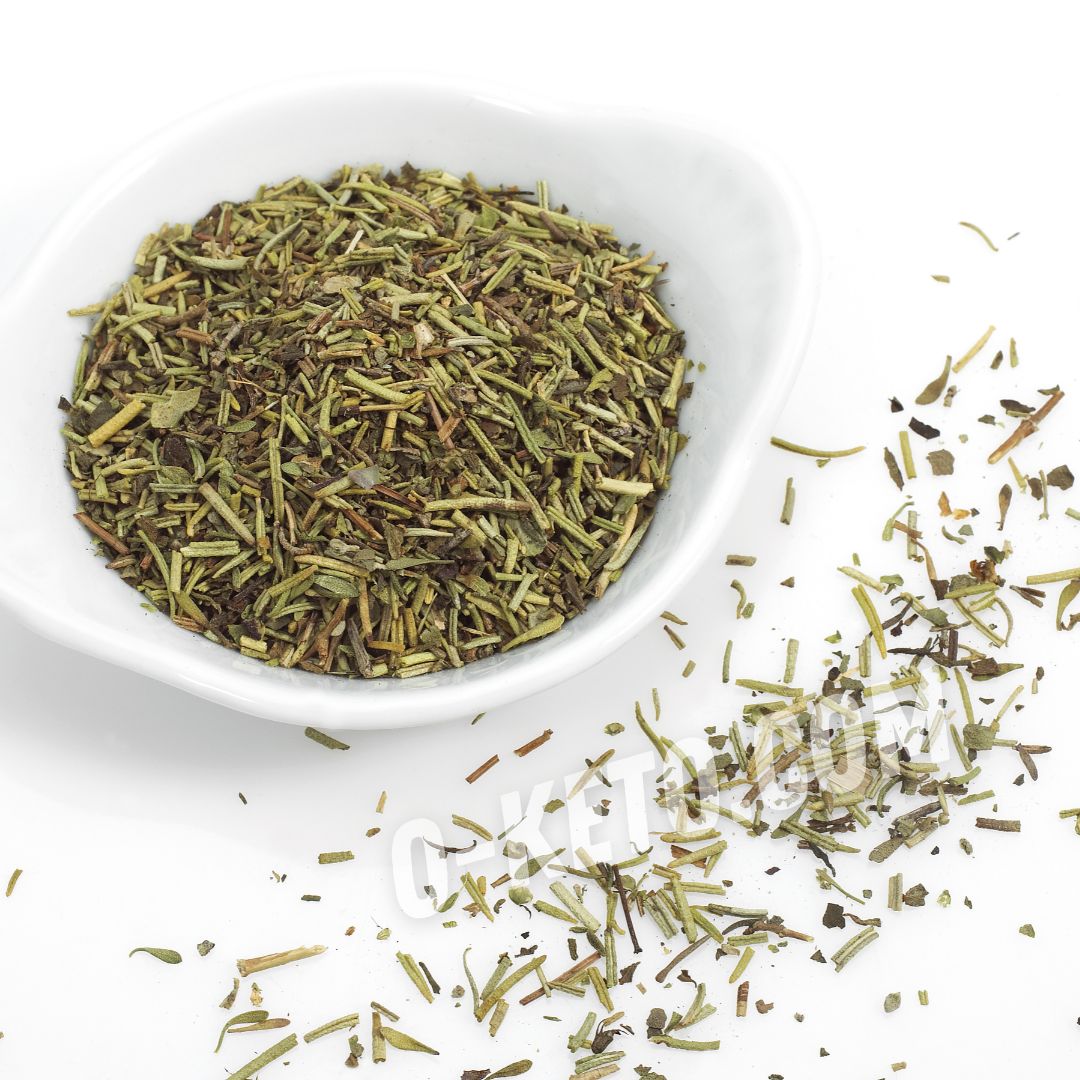

Herbes de Provence are an aromatic blend of dried Mediterranean herbs associated with the cooking of southern France. The mix most often includes thyme, rosemary, oregano, marjoram, basil, savory, sage, and sometimes lavender, fennel, or tarragon. There is no single mandatory recipe: different producers make the blend more resinous, floral, peppery, or mild.
The main role of herbes de Provence is to give a southern herbal aroma without sugar, flour, or ready-made sauce. The blend works with meat, poultry, fish, eggs, cheese, mushrooms, zucchini, eggplant, moderate portions of tomatoes, cauliflower, and olive oil. It is not a medicinal supplement, but a culinary tool that makes simple foods more expressive.
Composition and flavor
Thyme gives a dry spicy aroma, rosemary adds a pine-like resinous note, oregano and marjoram give warm herbal flavor, basil softens the blend, while savory and sage add depth. If lavender is included, the aroma becomes more floral, but there should be very little of it: too much quickly makes food smell perfumed.
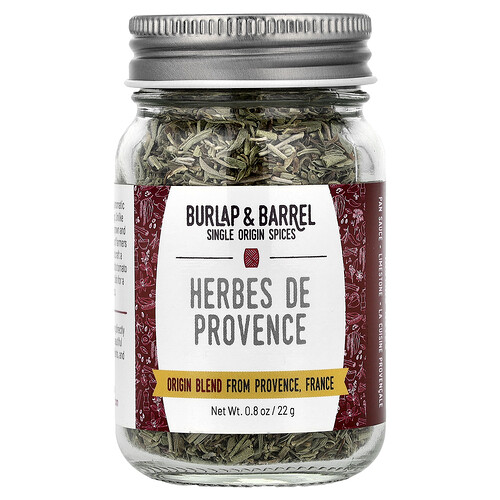
The earlier text listed thyme, rosemary, basil, lemon balm, and sage. Such a composition is possible, but ready-made blends more often also include oregano, marjoram, and savory. It is therefore better to check the specific label rather than rely only on the name.
Nutrition
Per 100 g of dried herbs, tables may show carbohydrates, fiber, minerals, and essential oils, but in a real dish the amount is usually 1/2-2 teaspoons for several servings. The contribution to calories and carbohydrates is minimal, especially if the blend contains no sugar, starch, breadcrumbs, or flavor enhancers.
The practical value of herbes de Provence is aroma, not vitamins per serving. They help reduce reliance on sweet sauces, breading, and ready-made marinades. For keto, this is convenient: flavor is built from herbs, salt, acidity, fat, and the food itself rather than from a sugary glaze.
Place in keto and LCHF
A plain herbes de Provence blend fits keto and LCHF well. It has almost no meaningful carbohydrate load in a normal portion, and the flavor works with fatty and protein-rich dishes. It can be added to butter, olive oil, sugar-free mayonnaise, sour-cream sauce, chicken marinade, or vegetable dressing.
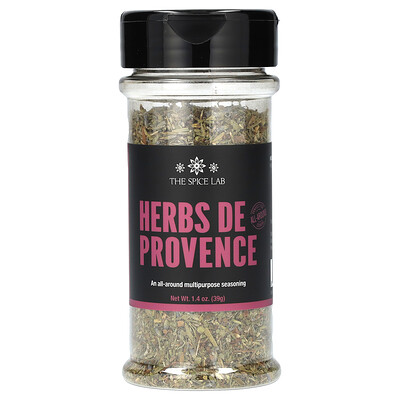
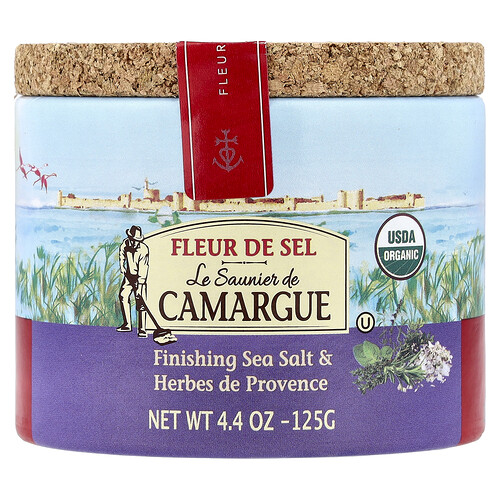
Be careful with ready seasonings sold under similar names. They may include salt, sugar, maltodextrin, starch, dried vegetables, flavorings, or citric acid. Salt is not always a problem, but if it is already in the blend, the main dish should be salted less. Sugar and starch are better avoided for strict keto.
How to use
Dried herbs open better when they have contact with fat and warmth. For chicken, pork, or fish, mix them with olive oil, salt, pepper, garlic, and lemon juice. For vegetables, use oil, salt, and a little vinegar. In cream sauces, add the herbs during a short heating stage so the aroma can move into the fat.
Do not use too much. Rosemary, thyme, and sage quickly become rough when overdosed. For a first try, 1/2 teaspoon for a pan or baking dish is enough, then the amount can be increased. If a dish cooks for a long time, part of the blend can go in at the start and a pinch closer to the end.
Pairings
The best pairings are chicken, turkey, pork, lamb, white fish, eggs, feta, goat cheese, mozzarella, mushrooms, zucchini, eggplant, pepper, cauliflower, broccoli, and tomatoes in small portions. The blend is also good for compound butter: softened butter is mixed with herbs, garlic, salt, and lemon zest.
For salads, first stir herbes de Provence into oil or dressing and let it stand for a few minutes. A dry blend sprinkled directly onto wet leaves can feel stiff. In soups and stews, use it moderately so it does not cover the flavor of the main food.
How to choose and store
A fresh blend smells bright, not dusty. The color should be naturally greenish-gray, without mold, moisture, or foreign bits. Very fine dust often loses aroma faster, while large rosemary needles may feel tough unless the blend is rubbed before use.
Store herbes de Provence in a tightly closed jar, in a dark dry place, away from the stove. Do not sprinkle the blend over steam and do not use a wet spoon. If the smell becomes weak or musty, replace the package: old herbs give bitterness and dustiness instead of a Mediterranean aroma.
Substitution options in recipes
Thyme. Plus oregano in equal proportion. These two Mediterranean herbs cover the main essences of the finished blend; if desired, add a pinch of rosemary.


