


Adiponectin
This fat-tissue adipokine is linked with better insulin sensitivity, fatty acid oxidation, and a calmer inflammatory profile; levels often fall with visceral obesity.
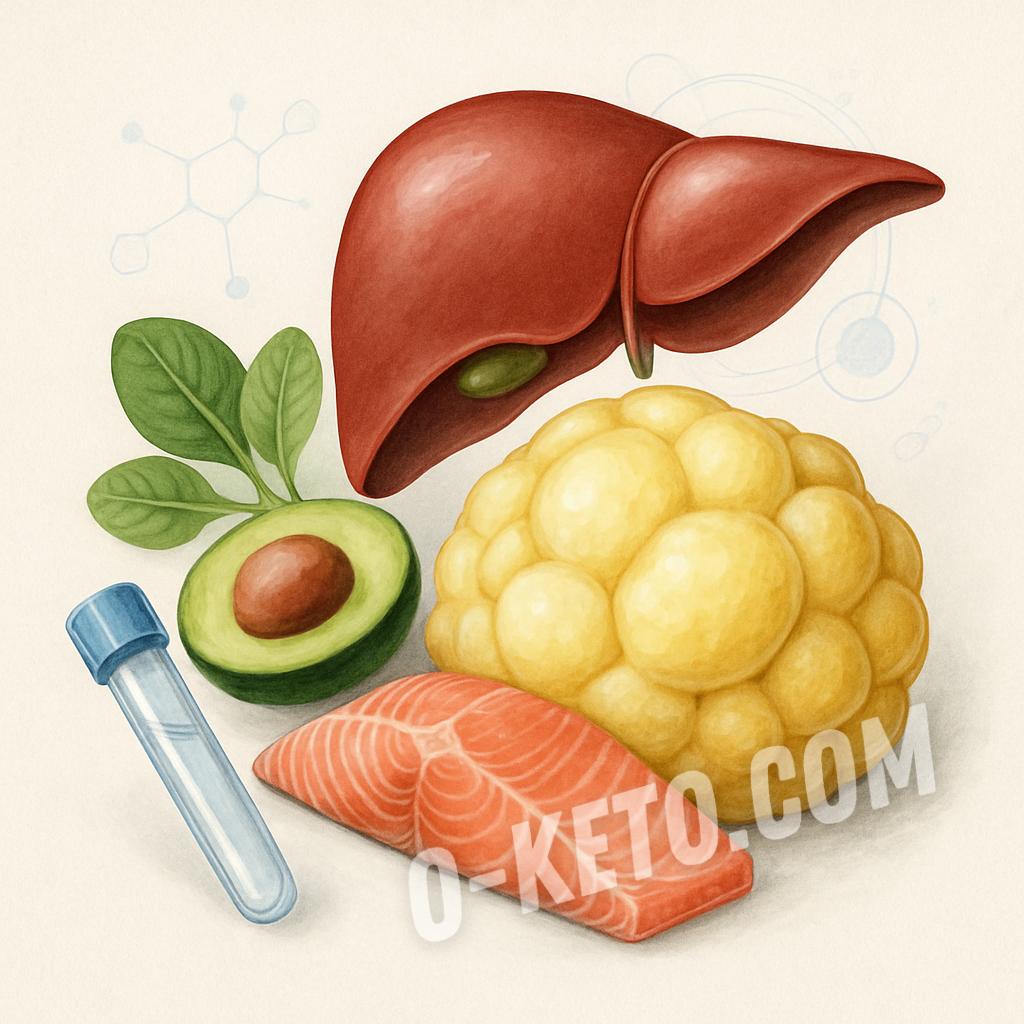
Adiponectin is a hormone-like protein from the adipokine family produced by fat tissue. Unlike many inflammatory signals associated with excess visceral fat, adiponectin is usually considered a more protective metabolic signal. It is linked with better insulin sensitivity, increased fatty acid oxidation, a lower inflammatory burden, and a more favorable vascular profile. Paradoxically, its level often falls in obesity even though fat tissue mass increases.
This makes adiponectin a useful way to think about the quality of fat tissue. One person may carry more subcutaneous fat and have a relatively better metabolic state, while another may have lower total body weight but more visceral fat, insulin resistance, and low adiponectin. Metabolic risk therefore depends on waist size, liver fat, glucose, triglycerides, blood pressure, and inflammation, not only kilograms.
What adiponectin does
Adiponectin affects the liver, muscles, blood vessels, and immune cells. In the liver, it may reduce excessive glucose production and support healthier fat metabolism. In muscle, it is associated with better fatty acid use and insulin sensitivity. In the vascular wall, it is linked with anti-inflammatory and anti-atherogenic effects. This does not mean adiponectin is a medicine that can simply be raised with one pill.
Low adiponectin is often seen with visceral obesity, type 2 diabetes, metabolic syndrome, fatty liver disease, and chronic inflammation. Higher levels are often associated with a more favorable metabolic profile, but interpretation is not always simple. In some chronic diseases, low body mass, or heart failure, values may behave differently. It is better to understand adiponectin as part of a signaling network rather than as a stand-alone diagnosis.
Insulin and fat tissue
Fat tissue works well when it can store excess energy safely without becoming inflamed. When fat cells are overfilled, poorly oxygenated, and infiltrated by immune cells, the adipokine profile changes. Adiponectin falls, pro-inflammatory signals rise, and fatty acids more easily spill into the blood, liver, and muscles. This worsens insulin resistance and may contribute to higher triglycerides, fatty liver, and glucose dysregulation.
Reducing visceral fat usually improves the situation. Smaller waist size, regular physical activity, strength training, better sleep, smoking cessation, and improved glucose control can raise adiponectin signaling or improve related metabolic markers. This does not happen instantly. Fat tissue has to shift from an overloaded inflammatory state toward a calmer, more signal-sensitive state.
Keto and practical meaning
Low-carbohydrate eating may support a better adiponectin profile when it helps reduce visceral fat, glucose, insulin, and triglycerides. Ketosis alone does not guarantee high adiponectin. If the diet is calorie excessive, movement is low, sleep is poor, stress is chronic, and muscle is being lost, fat tissue may remain dysfunctional. The real issue is not ketone magic but improvement in the metabolic environment.
Measuring adiponectin in everyday life is usually unnecessary. Indirect signs are more useful: waist size, blood pressure, glucose, HbA1c, triglycerides, HDL, liver enzymes, C-reactive protein, sleep, hunger, and recovery. If these markers improve, fat tissue signaling is probably becoming healthier. If weight falls while strength, sleep, menstrual function, and mood collapse, that is not necessarily a good metabolic path.
Laboratory measurement of adiponectin can be useful in research and in selected patients with unusual metabolic profiles, but in everyday practice it rarely changes the first steps. Even when the value is low, the basic strategy remains clear: reduce visceral fat, improve insulin sensitivity, treat blood pressure and sleep problems, and preserve muscle. If the value is high, real risk factors still need assessment.
Adiponectin should not be confused with leptin. Leptin is more closely related to energy stores and appetite signaling, while adiponectin is more connected with insulin sensitivity, fatty acid oxidation, and vascular-inflammatory tone. Both come from fat tissue, but they answer different questions. One marker does not replace understanding the wider adipokine network.
Laboratory measurement of adiponectin is not a usual home tool for weight-loss monitoring. A low value may suggest an unfavorable state of fat tissue, but it does not by itself tell which treatment to choose. It should be read together with waist size, glucose, insulin or HOMA-IR, triglycerides, HDL, liver enzymes, blood pressure, and medication use. If those markers improve, the practical goal is already moving in the right direction even without a separate adiponectin test.
What helps
The most practical steps are reducing excess visceral fat without extreme starvation, preserving muscle, eating enough protein, moving daily, strength training, sleeping well, and treating sleep apnea when present. Diet quality matters beyond carbohydrate count: fat quality, micronutrients, vegetables, greens, fermented foods, and avoiding constant overeating all contribute. Adiponectin is a reminder that fat tissue should not only become smaller. It should become metabolically calmer.
If you have any questions about the term "Adiponectin", you can ask them to AI. Please note, a low-cost OpenAI model is used. It may answer questions about disease treatment with errors!


 1 / 4
1 / 4
 1 / 4
1 / 4

 1 / 4
1 / 4 1 / 4
1 / 4 1 / 4
1 / 4

