


Anabolism
The constructive side of metabolism builds proteins, glycogen, fats, enzymes, and cell structures; health depends on cycling between building, breakdown, and recovery rather than staying anabolic all the time.


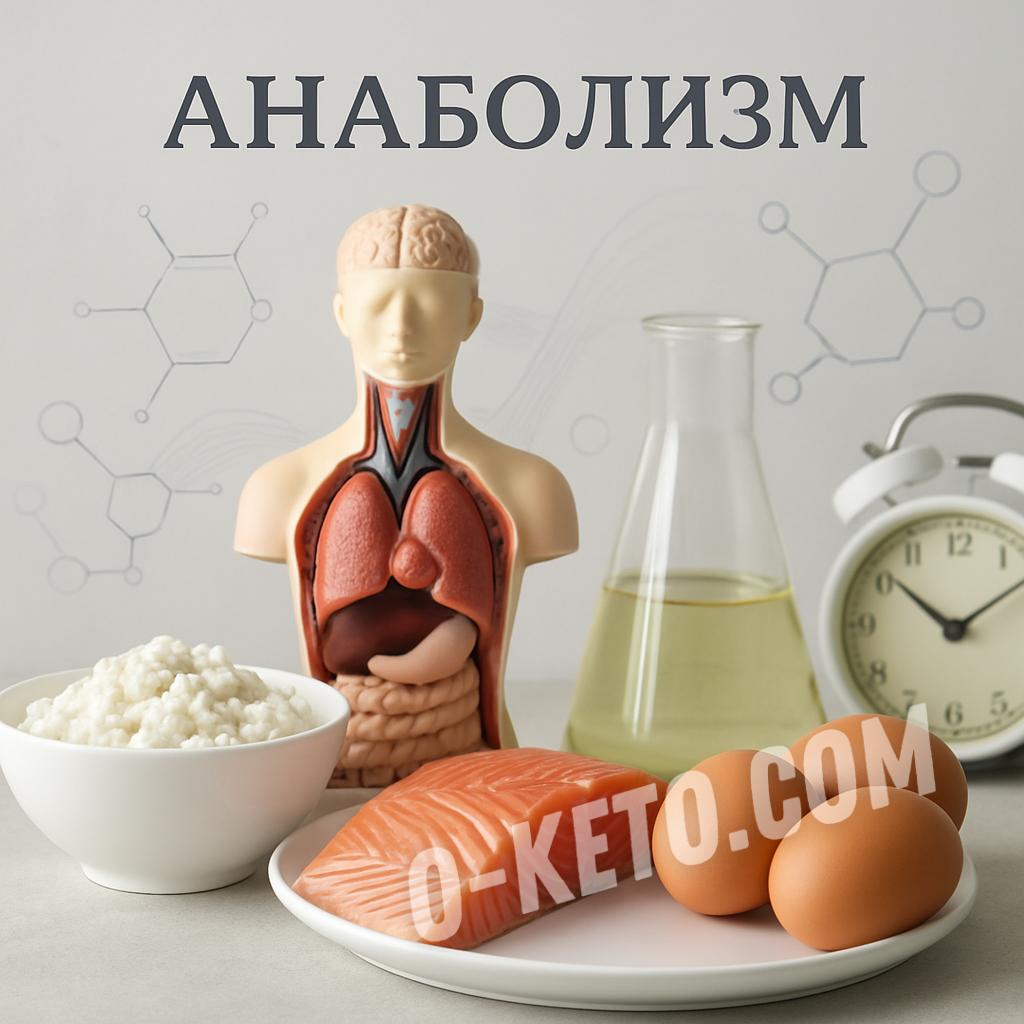
Anabolism is the part of metabolism that builds more complex molecules and structures from simpler ones. The body uses anabolic processes to synthesize proteins, glycogen, fatty acids, cell membranes, enzymes, hormone precursors, and tissue components. These processes require energy, amino acids, minerals, vitamins, hormonal signals, and working mitochondria. Anabolism should not be reduced to muscle growth. It is also needed for skin renewal, mucosal repair, bone remodeling, blood production, immune cells, and recovery after stress or training.
The other side of metabolism is catabolism, the breakdown of stored or structural material to obtain energy or building blocks. A healthy body moves between these modes all the time. After eating and resting, building processes rise. During fasting, exercise, infection, or energy shortage, breakdown contributes more. Problems do not appear because one process is good and the other is bad. They appear when the balance is wrong for the situation: muscle is not restored, fat is being stored, tissues are inflamed, or energy availability is too low.
What anabolism includes
The clearest example is muscle protein synthesis from amino acids. It requires enough high-quality protein, a training signal, energy, sleep, and hormonal signals including insulin, testosterone, growth hormone, IGF-1, and thyroid hormones. Protein anabolism is not limited to skeletal muscle. The liver makes blood proteins, the immune system builds antibodies, the intestine renews its lining, and bone is constantly remodeled under the influence of loading, vitamin D, calcium, magnesium, and sex hormones.
Anabolism also includes energy storage. When carbohydrate is available, the body can synthesize glycogen in the liver and muscles. When energy intake is chronically higher than expenditure and hormonal conditions support storage, some substrates are directed toward fat synthesis. For that reason, anabolic does not always mean desirable. Building muscle after training is one version. Expanding fat tissue during chronic overeating is another. Both are anabolic, but their consequences for health are very different.
Food, protein, and training
Muscle recovery requires a regular supply of amino acids. In practice, this means meaningful portions of protein during the day rather than one accidental large serving. Leucine and the other essential amino acids matter, so meat, fish, eggs, cottage cheese, seafood, and high-quality protein supplements are more reliable than a diet made only of fats and vegetables. If protein intake is too low, body weight may stay stable while muscle, skin, hair, immune proteins, and enzymes are not rebuilt well.
Strength training tells the body where to use building resources. Extra calories and insulin do not automatically become muscle without mechanical loading. Sleep is also central. During recovery, hormonal signals normalize, excessive stress falls, and tissue repair is completed. Chronic sleep loss, alcohol, inflammation, energy deficit, hypothyroidism, and overtraining can weaken the anabolic response even when protein intake looks adequate.
Keto and low-carb context
Anabolism does not switch off on keto. The body continues to synthesize proteins, enzymes, membranes, and tissues if it receives enough energy, protein, minerals, and recovery time. Insulin is usually lower than on a high-carbohydrate diet, but muscle protein synthesis does not require constantly high insulin. A normal physiological rise after a protein-containing meal is usually enough when training, amino acids, and overall nutrition are reasonable.
A common mistake is cutting protein too low out of fear of leaving ketosis. Very low protein may raise ketone readings, but that is not the same as better recovery. Another mistake is endless fasting while training hard and living under stress. A calorie deficit can help reduce fat for a period, but a long severe deficit may impair muscle gain, menstrual cycle, libido, thyroid function, and immune resilience. A well-designed low-carb diet should allow both building and using stored energy.
When to look deeper
Poor recovery after training, falling strength, slow wound healing, hair loss, frequent infections, feeling cold, cycle disruption, lower libido, and constant fatigue do not simply mean weak anabolism. They may reflect low energy availability, insufficient protein, iron deficiency, B12 deficiency, vitamin D deficiency, zinc deficiency, thyroid problems, or chronic inflammation. In that situation, finding the cause is more useful than adding random amino acids or stimulants.
Anabolic steroids and hormone drugs are a separate medical topic. They can strongly increase tissue synthesis, but they also carry risks for the heart, liver, lipids, fertility, mood, and endocrine system. Normal support of anabolism through food, sleep, and training should not be confused with pharmacological intervention. The goal is not to remain in a building mode every minute. The goal is to recover and build when the body has the materials and signals to do so.
If you have any questions about the term "Anabolism", you can ask them to AI. Please note, a low-cost OpenAI model is used. It may answer questions about disease treatment with errors!


 1 / 4
1 / 4

 1 / 4
1 / 4

 1 / 4
1 / 4 1 / 4
1 / 4

