


Bronchi
Large airways carry air into the lungs, warm it and help clear particles; cough, wheeze, and shortness of breath require cause-based assessment, not only dietary changes.

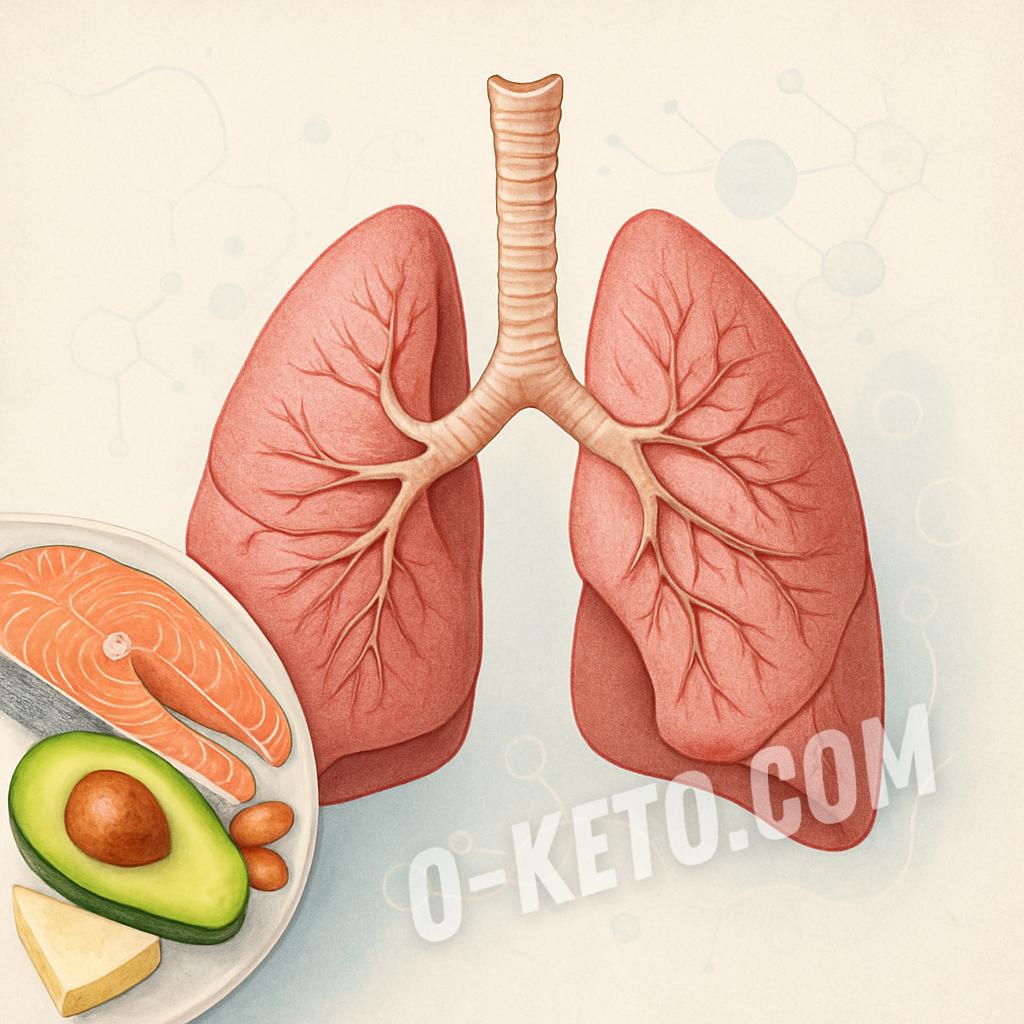
The bronchi are the branching airway system that begins after the trachea and carries air toward the lung tissue. The trachea divides into the right and left main bronchi, which then branch into lobar, segmental, and smaller bronchi before becoming bronchioles. Air does not simply pass through this system like through a pipe. It is warmed, humidified, and partly cleaned, while ciliated epithelium and mucus help move dust, microbes, and inflammatory material upward and out. The state of the bronchi therefore affects not only breathing but also exercise tolerance, sleep, voice, cough, and the feeling of energy.
How bronchial protection works
The inner surface of the bronchi is lined with mucosa. Goblet cells and glands produce mucus, and cilia move it upward toward the throat. This mechanism is called mucociliary clearance. It works worse with smoking, polluted air, dehydration, viral infections, chronic inflammation, some medications, and poor sleep. When mucus becomes thick or cilia are damaged, clearing the airways becomes harder. A person may develop persistent cough, sputum, rattling sounds, or a feeling of congestion in the chest.
The bronchial wall also contains smooth muscle. During irritation, allergy, or inflammation, this muscle can contract and narrow the airway. This bronchospasm is typical of asthma but can also occur with viral infections, cold air, intense exercise, or smoke exposure. Wheezing should therefore not be dismissed as simply weak lungs. Sometimes it is reversible airway narrowing that needs proper diagnosis and medical treatment.
What disrupts bronchial function
The most common causes of bronchial problems include infections, asthma, chronic bronchitis, COPD, allergic rhinitis with postnasal drip, gastroesophageal reflux, occupational irritants, and smoking. Cough can sound similar in different people while the mechanism is very different. A dry night cough may occur with asthma or reflux, a productive cough with infection or chronic bronchitis, and attacks after cold air or exercise with airway hyperresponsiveness. It is important to look not only at cough itself but also at fever, sputum, breathlessness, oxygen saturation, chest pain, relation to meals, season, animals, mold, and exertion.
Some signs should not be managed only with home care. Urgent assessment is needed with severe shortness of breath, blue lips, confusion, chest pain or pressure, coughing blood, high fever with worsening condition, oxygen saturation below the person’s usual level, wheezing in a child, or an attack that does not respond to a prescribed inhaler. A prolonged cough after infection should also be discussed with a clinician if it lasts for weeks, disrupts sleep, or comes with weight loss, night sweats, or marked weakness.
Nutrition, keto, and the airways
A low-carbohydrate diet does not directly treat the bronchi and does not replace inhalers, antibiotics, allergy medication, or smoking cessation. Diet can influence the background: body weight, reflux, inflammatory load, deficiencies, glucose control, and recovery after infections. In people with excess weight, weight loss sometimes eases breathing and exertional breathlessness. In reflux, reducing late large meals, alcohol, sugar, and overeating may lower night cough. In diabetes, better glycemic control can support immune defense, but it does not remove the need for medical evaluation during infection.
On keto, dehydration and severe salt deficit should be avoided, especially during illness. Dry mucosa and thick sputum can increase discomfort. Protein is needed for immune proteins, tissue repair, and maintenance of muscles, including respiratory muscles. Fatty fish, eggs, meat, organ meats, greens, low-carbohydrate vegetables, and adequate fluid provide a more sensible base than a diet made of coffee and fats without protein. If a person uses glucocorticoids for asthma or COPD exacerbation, their effects on glucose, appetite, blood pressure, and electrolytes should be considered.
What is checked when symptoms repeat
With recurrent cough, wheeze, or shortness of breath, a clinician may order spirometry, a bronchodilator response test, peak flow monitoring, chest X-ray or CT, inflammatory markers, allergy testing, reflux assessment, and oxygen saturation monitoring. The purpose is to understand whether the bronchi narrow reversibly, whether infection is present, whether there is chronic inflammation, lung tissue damage, or an external irritant. It is often impossible to distinguish asthma from bronchitis, postnasal drip, anxious hyperventilation, or a cardiac cause by one symptom alone. The bronchi should therefore not be judged by guessing from a single complaint; they are evaluated through breathing pattern, examination, history, and objective tests.
If you have any questions about the term "Bronchi", you can ask them to AI. Please note, a low-cost OpenAI model is used. It may answer questions about disease treatment with errors!


 1 / 4
1 / 4 1 / 4
1 / 4 1 / 4
1 / 4
 1 / 4
1 / 4
 1 / 4
1 / 4