


Carnitine
A compound involved in transporting long-chain fatty acids into mitochondria, carnitine matters for energy metabolism, heart, muscle and liver function. Supplements are not automatic fat burners; effects depend on deficiency, form, dose, diet, training and mitochondrial context.

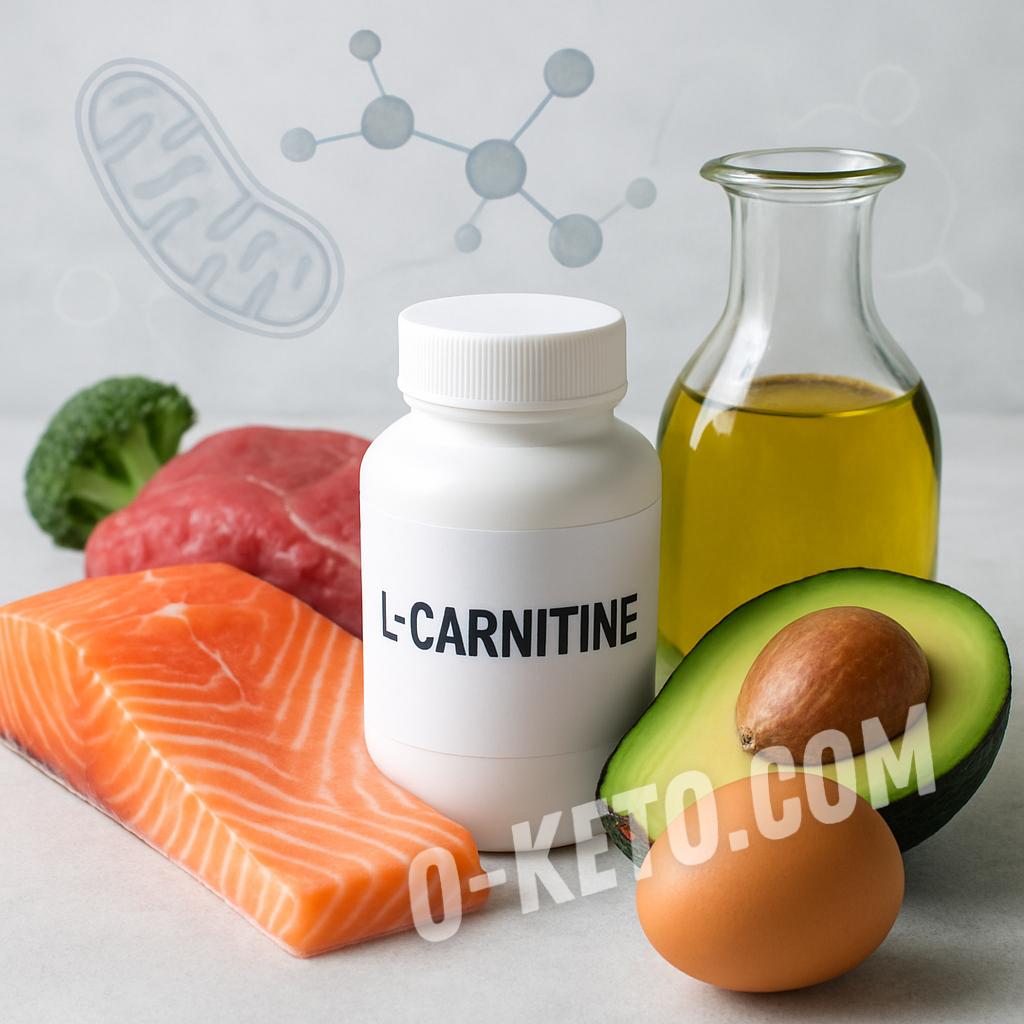
Carnitine is a vitamin-like compound that helps transport long-chain fatty acids into mitochondria, where they can be used for energy. It is especially important for tissues that rely heavily on fatty acids, such as the heart, skeletal muscle, liver and several other organs. The body can synthesize carnitine from lysine and methionine with the help of vitamin C, iron, vitamin B6 and niacin, but some also comes from food, especially red meat and other animal products.
Carnitine is often marketed as a fat-burning supplement, but that presentation oversimplifies biochemistry. Being involved in fatty acid transport does not mean that a capsule automatically increases fat loss in someone with normal carnitine status. Fat oxidation requires mitochondria, movement, hormonal context, energy balance and the ability of tissues to use fatty acids. Carnitine can be an important link, but it is not the only limiting factor.
How it works
Long-chain fatty acids cannot enter mitochondria directly. They use the carnitine shuttle: a fatty acid is linked to carnitine, transported across mitochondrial membranes and then enters beta-oxidation. When this pathway is impaired, tissues may have difficulty using fat as fuel, especially during fasting, exercise or illness. Rare inherited disorders of carnitine metabolism are serious medical conditions, not ordinary post-workout tiredness.
Carnitine is also involved in the balance of acyl groups. It helps remove some metabolic intermediates as acylcarnitines. This is why acylcarnitine testing is used in some metabolic evaluations, especially in children or when inherited disorders are suspected. In ordinary nutrition practice, it is not a universal screening test but a specialized tool.
Sources and forms
Food sources include beef, lamb, pork, poultry, fish and dairy products. Plant-based diets contain much less carnitine, although the body can synthesize some when amino acids and cofactors are adequate. Strict plant-based diets, certain diseases, dialysis, prematurity and some medications can change needs and status.
Supplement forms include L-carnitine, acetyl-L-carnitine, propionyl-L-carnitine and L-carnitine L-tartrate. Acetyl-L-carnitine is often discussed in relation to the nervous system and mitochondria. Propionyl-L-carnitine is more often linked with vascular and muscle topics. Tartrate is commonly used in sports recovery. The form does not remove the basic questions: is there a deficiency, what is the goal, and how will improvement be measured?
Keto, LCHF and training
On keto and LCHF, the body uses fatty acids more actively, which makes carnitine sound especially attractive. In most people, adaptation to fat metabolism depends on much more than carnitine. Adequate protein, electrolytes, sleep, gradual training progression, thyroid health, iron, magnesium and mitochondrial condition all matter. If someone has just started keto and feels weak, the cause is more often salt, fluids, calories, sleep or fuel transition than carnitine deficiency.
In sport, carnitine has been studied for recovery, muscle damage, endurance and fat use, but results are mixed. Effects may be more visible in people with low status, older adults, certain diseases or longer supplementation protocols. It is unrealistic to expect a supplement to replace training, protein and recovery. Strength, endurance, fatigue, sleep and body composition are more useful outcomes to track.
Safety and practical use
Carnitine is usually well tolerated, but it may cause nausea, abdominal discomfort, loose stools, a fishy body odor or changes in wellbeing. It is also discussed in relation to TMAO, a gut-microbiota-derived metabolite associated with cardiovascular risk in research. This topic is complex and depends on microbiota, diet, kidney function, baseline risk and overall eating pattern. It does not mean automatic prohibition, but it makes high-dose use “just in case” unwise.
Supplementation makes more sense for a specific reason: confirmed deficiency, medical indications, some heart or muscle conditions, structured recovery support, diet pattern or medication-related need. For fat loss, the foundation is still diet quality, movement, sleep, an energy deficit that preserves muscle and better insulin sensitivity. Carnitine can be a useful tool, but it should not replace the basics of metabolic health.
If you have any questions about the term "Carnitine", you can ask them to AI. Please note, a low-cost OpenAI model is used. It may answer questions about disease treatment with errors!


