


Dopamine
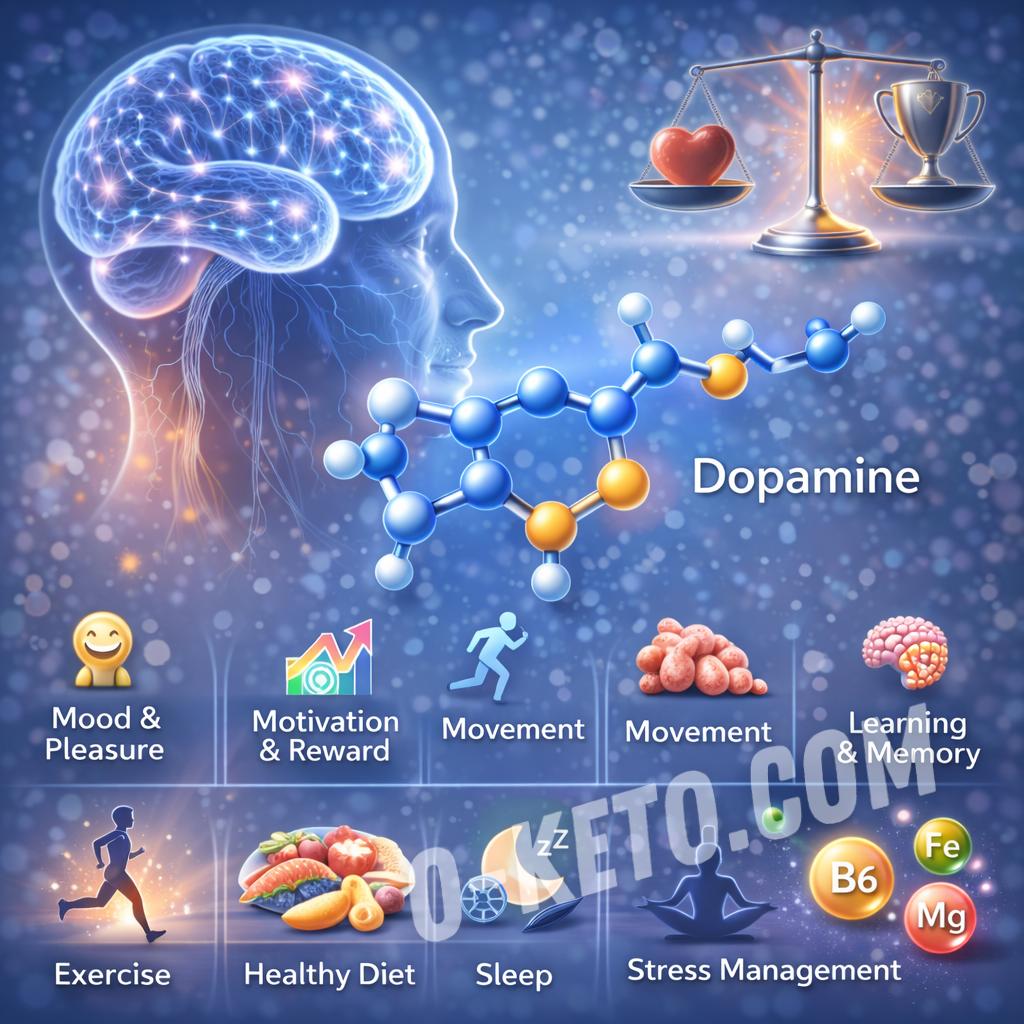
Dopamine — is a neurotransmitter belonging to the catecholamine group, which is involved in the transmission of signals between nerve cells and plays a key role in regulating motivation, pleasure, motor activity, and cognitive processes. It is synthesized from the amino acid tyrosine and affects not only the psycho-emotional state but also the functioning of the endocrine and nervous systems as a whole.
Main Functions of Dopamine
Dopamine is involved in a number of fundamental processes:
- formation of motivation and striving to achieve goals;
- participation in the reward system and the sensation of pleasure;
- regulation of mood and emotional reactions;
- control of voluntary movements and muscle tone;
- support of attention, learning, and memory.
Dopamine does not create a lasting feeling of happiness but is responsible for the sensation of reward anticipation and motivation to act.
Synthesis and Exchange of Dopamine
Dopamine is formed from tyrosine in several stages involving enzymes and cofactors. For its normal synthesis, the following are necessary:
Deficiency of these nutrients can reduce dopamine production even with normal levels of tyrosine.
Dopamine and the Nervous System
In the central nervous system, dopamine acts as a modulator. It does not just excite or inhibit neurons but adjusts the sensitivity of neural circuits.
In motor pathways, dopamine deficiency leads to impaired coordination and reduced mobility, which is characteristic of Parkinson’s disease.
In the limbic system, changes in dopamine exchange affect motivation and emotional stability.
Disorders of Dopamine Balance
Changes in dopamine levels can manifest in various ways:
- decreased motivation and energy;
- apathy and emotional burnout;
- decreased attention span;
- motor stiffness;
- increased craving for stimulants and quick rewards.
Excessive stimulation of the dopamine system may be associated with impulsive behavior and distorted perception of reality.
Supporting Dopamine Exchange
Maintaining physiological levels of dopamine can be achieved through basic lifestyle factors:
- regular moderate-intensity physical activity;
- adequate sleep and adherence to circadian rhythms;
- sufficient protein intake;
- management of chronic stress;
- limiting constant stimulation from quick pleasures.
It is important to understand that dopamine is sensitive to overload, and constant stimulation may reduce receptor sensitivity over time.
Conclusion
Dopamine — is a key neurotransmitter responsible for motivation, movement, and cognitive activity. Its balance depends on nutrition, micronutrient status, stress levels, and sleep patterns.
Supporting dopamine exchange is not about stimulation but creating conditions for its physiological regulation, which directly reflects on the quality of life and the resilience of the nervous system.
If you have any questions о термине "Dopamine", you can ask them to our bot.
List of videos from YouTube by request "Dopamine":


