


Inositol (vitamin B8)
A vitamin-like compound involved in cell signaling, insulin sensitivity, ovarian function, nervous-system activity and fat metabolism. Myo-inositol and D-chiro-inositol are discussed most often, especially in PCOS and insulin resistance.
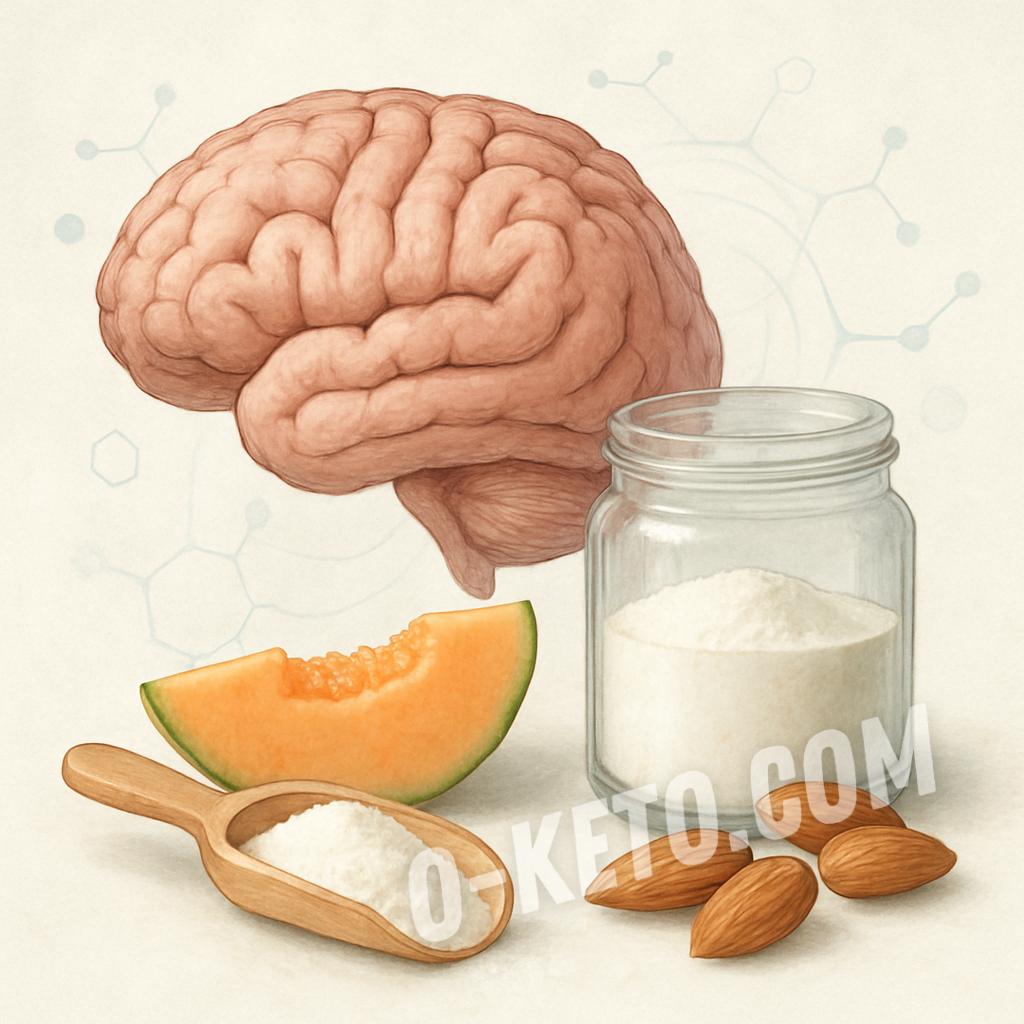
Inositol is a vitamin-like compound found in cell membranes and involved in intracellular signaling. It is often connected with insulin sensitivity, ovarian function, the nervous system, fat metabolism and fertility. The best-known form is myo-inositol; D-chiro-inositol and the ratio between the two are also discussed in supplements.
Inositol is not a classic vitamin because the body can synthesize it, and some also comes from food. However, in insulin resistance, polycystic ovary syndrome, chronic stress, eating-pattern problems and some metabolic states, the need for and use of inositol may differ. It is best understood as metabolic support rather than a simple vitamin pill.
How it works
Inositol derivatives participate in second messengers, molecules that carry signals from receptors into the cell. This matters for insulin signaling: the cell must not only detect insulin outside, but also launch the internal chain of reactions correctly. When this signaling is less efficient, glucose and fatty-acid handling can worsen.
Myo-inositol and D-chiro-inositol have different roles. Myo-inositol is more often connected with ovarian function, oocyte quality and general insulin signaling, while D-chiro-inositol is linked with some aspects of glucose utilization. High doses of D-chiro-inositol without a clear reason may not be ideal, especially when the goal involves ovulation and fertility.
PCOS and insulin resistance
Inositol is most often discussed in polycystic ovary syndrome. In some women, PCOS is strongly linked with insulin resistance: high insulin increases androgenic pressure, interferes with ovulation and maintains metabolic disturbance. In that setting, myo-inositol may help as part of a strategy that also includes nutrition, movement, sleep and reduction of excess visceral fat.
But PCOS is not the same in everyone. In one woman the main issue may be insulin resistance; in another it may be stress, energy deficiency, hyperprolactinemia, thyroid dysfunction or inflammation. Inositol should therefore not replace diagnosis. Cycle pattern, ovulation, androgens, TSH, prolactin, glucose, insulin, lipids, weight, diet and medication history all matter.
Nutrition, keto and LCHF
Low-carbohydrate nutrition can improve insulin resistance, reduce sugar cravings and help control glucose. In that sense it overlaps with the goals for which inositol is often used. But overly strict keto with too few calories, protein, salt and micronutrients can worsen sleep, cycle stability and stress responses, especially in women with a high life or training load.
Food sources of inositol include legumes, whole grains, fruits, nuts, seeds and some vegetables; some of these foods do not always fit strict keto because of carbohydrate content. On LCHF, the goal is not to maximize inositol from starchy foods, but to build a diet that improves insulin sensitivity: adequate protein, vegetables, magnesium, Omega-3 fats, movement and the absence of constant snacking.
Supplements and dosing
Supplements often use myo-inositol alone or together with D-chiro-inositol. In PCOS research, a 40:1 ratio is common, but it is not a universal rule for every purpose. Dose, form, duration and combination with folate, vitamin D, magnesium, metformin or other medication should depend on the goal and tolerance.
Inositol is usually well tolerated, but nausea, bloating, loose stool, headache or sleepiness can occur. During pregnancy, with bipolar disorder, psychotropic medication, glucose-lowering therapy or fertility treatment, supplements should be discussed with a clinician. Natural origin does not make a compound automatically safe at any dose.
Practical conclusion
Inositol is useful when there is a clear goal: supporting insulin signaling, PCOS with a metabolic component, pregnancy preparation when indicated, or a specific correction plan. It does not replace protein, sleep, movement, healthy body composition, thyroid treatment or evaluation of irregular cycles.
If cycle regularity, skin, sugar cravings or well-being improve while taking inositol, that is a useful sign, but not proof that the whole problem was inositol alone. If there is no effect, endlessly increasing the dose is not the answer. It is better to revisit the diagnosis, diet, nutrient gaps, stress load, medications and real markers of insulin resistance.
If you have any questions about the term "Inositol (vitamin B8)", you can ask them to AI. Please note, a low-cost OpenAI model is used. It may answer questions about disease treatment with errors!


 1 / 4
1 / 4 1 / 4
1 / 4

 1 / 4
1 / 4 1 / 4
1 / 4