


E110 (a yellow "sunset" FCF)
Sunset Yellow FCF is a synthetic orange-yellow azo dye that strengthens the fruity, dessert-like, or beverage image of a product. In low-carb eating, E110 matters as a marker of sweet ultra-processed forms and possible sensitivity, not as a carbohydrate source.
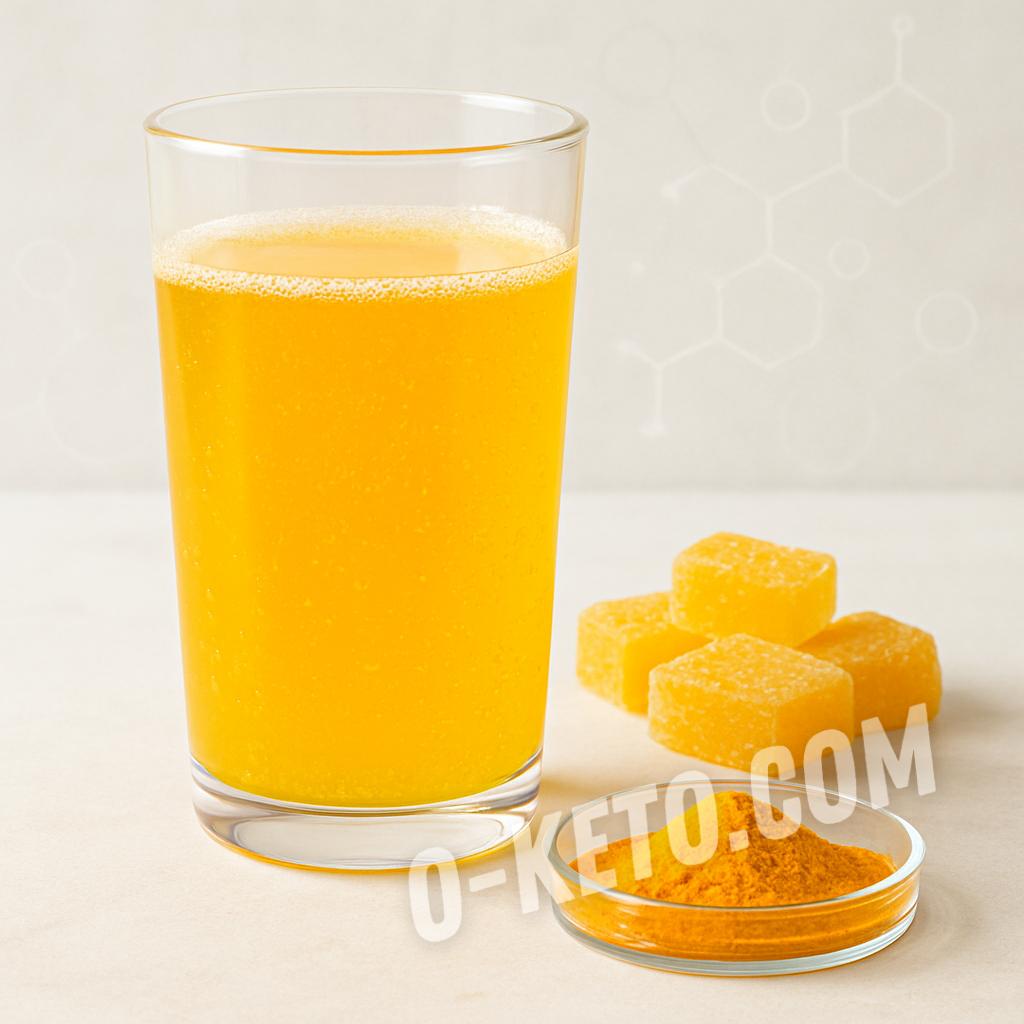
E110 is Sunset Yellow FCF, a synthetic orange-yellow azo dye. It is used to create warm yellow, orange, apricot, or caramel shades in drinks, sweets, desserts, sauces, snacks, and chewing products. It is not a spice, vitamin, or nutrient. Its purpose is to make a product visually brighter and more recognizable. E110 should therefore be evaluated as a technological colorant, not as nutritional value or a source of beneficial substances.
What this colorant provides
Orange-yellow color is often associated with orange, mango, peach, caramel, honey, energy drinks, or fruit sweets. A manufacturer may use E110 to strengthen that expectation even when little natural fruit ingredient is present. Color works as part of a flavor illusion: a person sees the shade and expects a certain aroma. The dye itself does not add fruit, vitamins, or minerals. It supports appearance, while flavor is usually provided by flavorings, acids, sugar, or sweeteners.
Where E110 is found
E110 may be found in carbonated drinks, powdered drinks, hard candies, gummies, jellies, ice cream, desserts, sauces, ready snacks, chewing forms, decorative coatings, and some supplements. It is often used together with other colors to create a more complex shade. If a product has a bright orange or tropical color, it is important not to stop at E110. Sugar, syrups, maltodextrin, starch, polyols, acids, flavorings, caffeine, and serving size should all be checked. These components more often determine the metabolic effect.
Relevance for keto and LCHF
E110 is not a carbohydrate and should not directly raise glucose. But products with this colorant are often built around sweet taste and a strong sensory impression. Even a sugar-free version may maintain the habit of constant sweet drinks or lozenges. For keto, that matters: appetite, dessert cravings, and overeating sometimes depend not only on grams of carbohydrate, but also on taste stimulation. E110 does not make a product bad by itself, but it often points to a product that should be treated as an occasional exception rather than staple food.
Sensitivity and warnings
Like some other synthetic colors, E110 is linked in the European Union with a warning about possible adverse effects on activity and attention in children when used in relevant products. This does not mean every child reacts to it, but it helps parents and sensitive adults track connections between brightly colored products and symptoms. Possible reactions may include skin symptoms, itching, hives, headache, digestive irritation, or behavioral changes in susceptible children. If such reactions repeat, comparing products with and without E110 is more useful than blaming only sugar or stress.
How to separate risk from panic
Not every product with E110 is automatically dangerous, and not every symptom after a sweet product is caused by the dye. A product may also contain acids, benzoates, other colors, flavorings, caffeine, sugar, or polyols. The reaction may depend on dose and combination. A practical approach is to observe, read labels, and reduce the brightest ultra-processed products when they do not provide real value. For children, people with asthma, hives, or multiple additive sensitivities, caution is usually more reasonable than daily use of bright drinks and sweets.
Practical conclusion
E110 is a colorant for visual identity, not nutrition. In low-carb eating it usually does not add carbohydrates, but it often accompanies products that maintain sweet taste, acid load, and the habit of bright industrial flavors. If the product is occasional, the ingredient list is clear, and tolerance is good, E110 may be secondary. If daily drinks, candies, lozenges, or snacks are involved, simpler alternatives are preferable. In keto and LCHF, color should not be the main argument, and a bright orange shade does not replace whole food.
If you have any questions about the term "E110 (a yellow "sunset" FCF)", you can ask them to AI. Please note, a low-cost OpenAI model is used. It may answer questions about disease treatment with errors!


 1 / 4
1 / 4 1 / 4
1 / 4


 1 / 4
1 / 4