


Oleic acid
A monounsaturated fatty acid characteristic of olive oil, avocado, almonds and many animal fats. It is not a medicine, but it can make a low-carb diet gentler for the lipid profile and more stable for cooking, especially when it replaces excess refined seed oils.
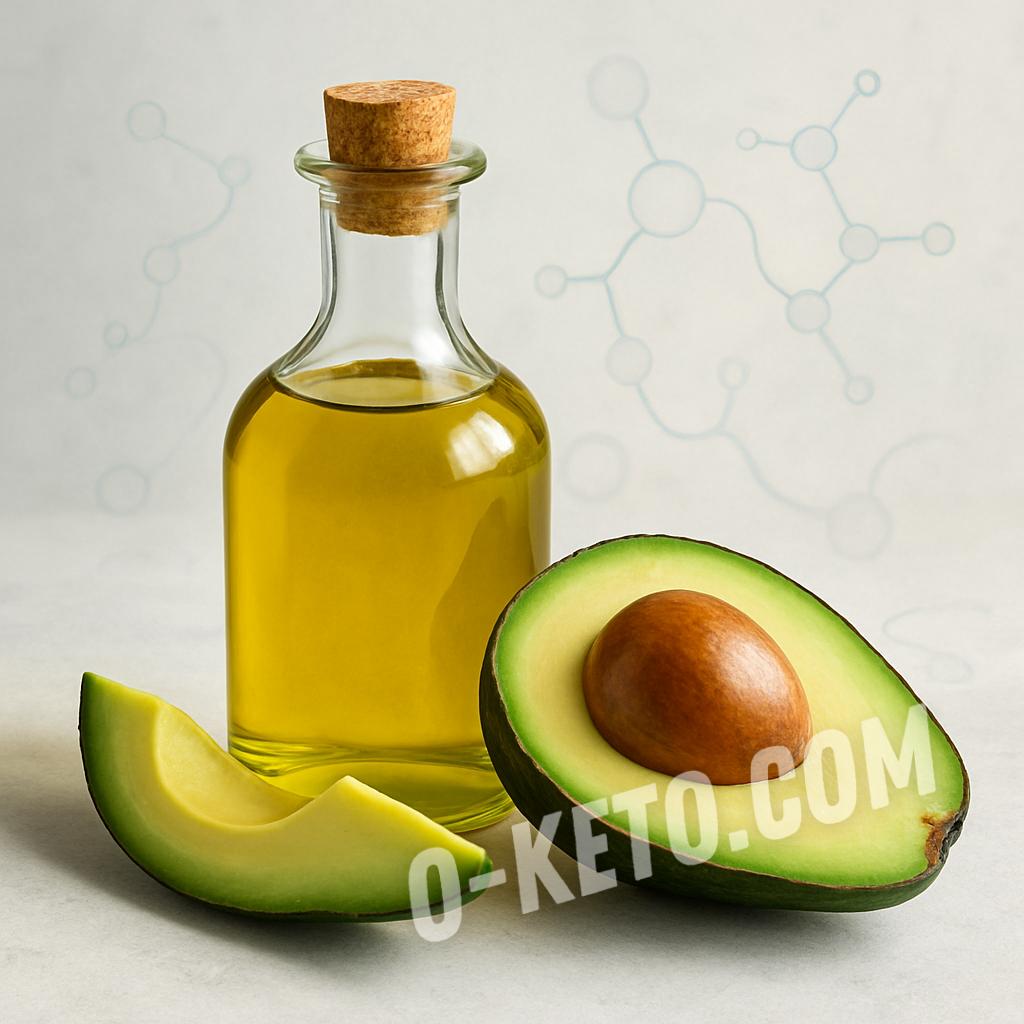
Oleic acid is a monounsaturated fatty acid from the Omega-9 family. It is not considered essential because the body can synthesize it, but that does not make it unimportant. Oleic acid is widely present in olive oil, avocado, almonds, macadamia nuts, hazelnuts, pork fat, beef tallow, eggs and many mixed fats. It is one of the reasons olive oil has such a strong place in Mediterranean and low-carbohydrate eating patterns.
For keto and LCHF, oleic acid is a calm, practical fat. It provides energy, fits easily into meals, is usually gentler than large doses of polyunsaturated oils and helps keep the diet from being built only on butter, cheese and fatty meat. It should not be described as a stand-alone treatment for cardiovascular disease, but oleic-rich foods often improve the quality of the fat pattern, especially when they replace sugar, refined oils and industrial sauces.
How oleic acid differs from Omega-3 and Omega-6
Oleic acid belongs to Omega-9 and has one double bond. This makes it more resistant to oxidation than many polyunsaturated fatty acids, but less solid than saturated fats. It is not a precursor for the same eicosanoids as arachidonic acid, and it does not play the same structural role as DHA in the retina and brain. Its value is more culinary and metabolic: an energy source, a membrane component and a way to make the diet richer in monounsaturated fats.
This position is useful in low-carbohydrate nutrition. When someone increases dietary fat, the choice does not have to be only between butter and fish oil. Olive oil, avocado and nuts dominated by monounsaturated fats provide a middle path. They diversify flavor, texture and fatty-acid composition without adding much carbohydrate, provided portions remain reasonable.
Main food sources
The best-known source of oleic acid is olive oil, especially extra virgin olive oil, where the fatty acid comes together with polyphenols and aromatic compounds. Avocado and avocado oil are also rich in monounsaturated fats. Among nuts, macadamia, almonds, hazelnuts and pistachios are notable. Animal fats contain oleic acid as well: pork fat and beef tallow are not purely saturated fats, but mixed fats.
Source quality matters. Olive oil should be fresh, not rancid, preferably stored in a dark bottle and not kept for long in light and heat. Avocado oil is often adulterated or sold oxidized, so reliable producers matter. Nuts should be treated as calorie-dense food, not as an unlimited source of healthy fat. On keto, nuts are a common hidden reason for overeating even when their fatty-acid profile is good.
Cooking and heat stability
Oleic acid is more stable under heat than oils that contain a lot of linoleic acid. This is why olive oil and avocado oil are often better for ordinary cooking than sunflower or corn oil. That does not mean any oil can be overheated endlessly. Smoking, repeated frying, long storage after opening and exposure to air reduce fat quality regardless of the name on the bottle.
Extra virgin olive oil can be used not only in salads but also for gentle cooking, as long as it is not pushed into aggressive smoking. For higher heat, ghee, animal fat, coconut oil or refined avocado oil may be more convenient if tolerated. The practical point is to avoid using high-linoleic oils as the universal fat for everything: frying, baking, sauces and deep-frying.
Lipid profile and metabolic health
Oleic acid is often discussed in relation to the lipid profile because replacing part of saturated fat or refined carbohydrate with monounsaturated fat can improve markers in many people. The word replacing is important. If a person simply adds a lot of oil to an already excessive energy intake, the metabolic result may be poor. If olive oil helps remove sweet sauces, pastries, deep-fried food and snacks, the effect is very different.
On keto, LDL cholesterol and ApoB can rise in some people, especially with high saturated-fat intake, rapid weight loss, leanness or genetic predisposition. In such cases, part of the fat is sometimes shifted toward olive oil, avocado, fish and carefully portioned nuts while protein, fiber, calories and blood tests are reviewed. Oleic acid is not a medicine here, but it can be a useful tool for adjusting the diet.
Tolerance and limits
Oleic-rich foods are usually well tolerated, but exceptions exist. Large amounts of oil can cause nausea, heaviness, loose stools and discomfort when gallbladder, bile-flow, liver or pancreatic issues are present. Avocado can bother some people because of FODMAPs, histamine or individual sensitivity. Nuts may irritate the gut, trigger overeating or interfere with weight loss.
The best way to use oleic acid is therefore not to drink oil by the spoonful, but to build normal meals. Olive oil in a salad, avocado alongside protein, a small serving of macadamias or almonds, olives as a snack, fish with an olive-oil sauce — these are food choices, not abstract fat loading. This approach is especially useful when someone wants an LCHF diet to feel less heavy and more like complete cuisine.
Practical takeaway
Oleic acid is one of the most convenient fat accents in low-carbohydrate nutrition. It does not require a separate supplement because it is easy to obtain from food. Its value is not miraculous action, but its ability to replace less suitable fat sources, improve the taste of meals and make the diet more varied. In that sense, a bottle of good olive oil is often more useful than a complicated capsule plan.
If the diet already includes fish, adequate protein, well-tolerated vegetables and whole foods, oleic acid fits naturally as part of fat balance. If the menu is built around cheese snacks, seed-oil frying and industrial sugar-free desserts, moving toward olive oil, avocado and more complete meals can be a simple step toward better diet quality.
If you have any questions about the term "Oleic acid", you can ask them to AI. Please note, a low-cost OpenAI model is used. It may answer questions about disease treatment with errors!


 1 / 4
1 / 4

 1 / 4
1 / 4
 1 / 4
1 / 4