


Premenstrual syndrome
The recurring complex of physical and emotional symptoms in the second phase of the cycle can significantly affect sleep, appetite, work performance, and tolerance to stress. In the case of PMS, it is important to monitor the cyclicity of complaints, adjust underlying factors, and conduct a medical evaluation in the presence of severe or atypical symptoms.


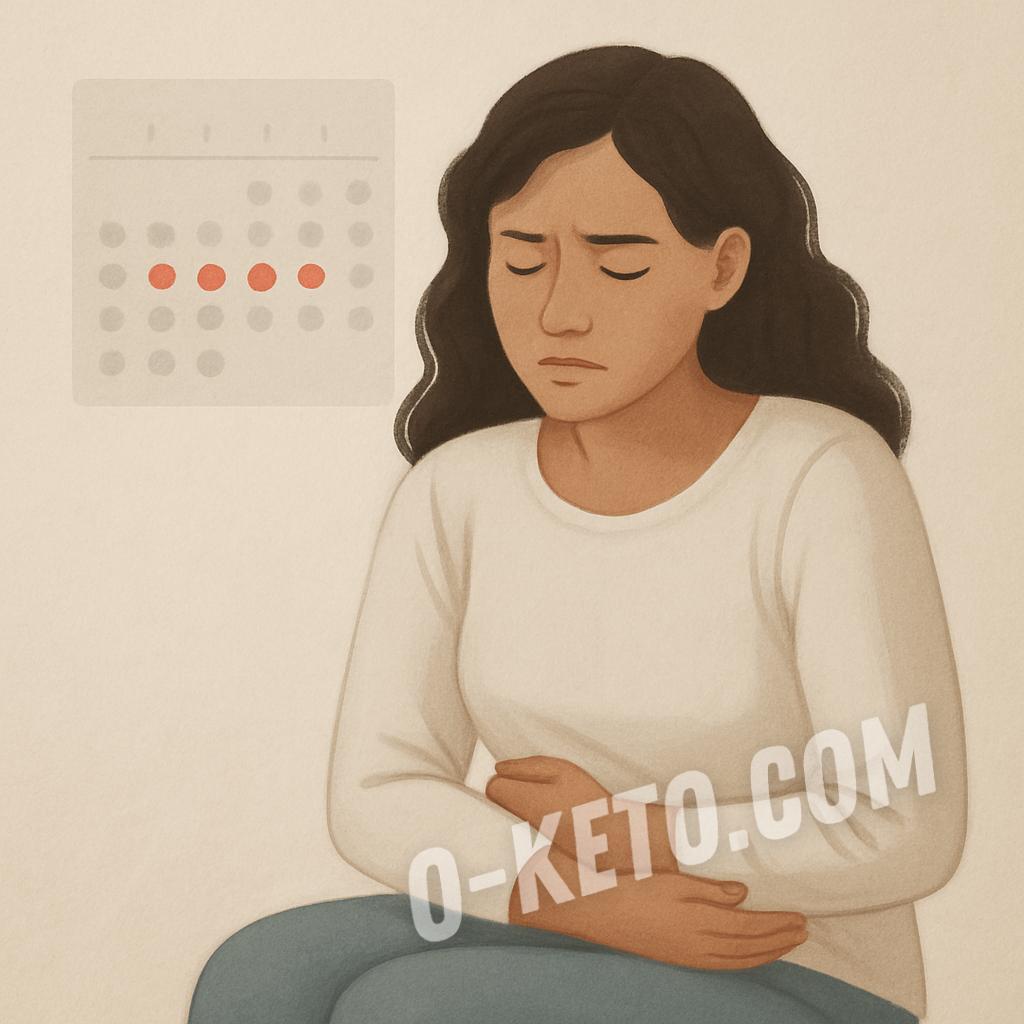
Premenstrual syndrome, or PMS, is a complex of physical and emotional symptoms that recur in the second half of the menstrual cycle and usually diminish after the onset of menstruation. Some women experience predominant irritability, tearfulness, mood swings, and increased fatigue, while others may have more pronounced symptoms such as breast tenderness, bloating, cravings for sweets, headaches, cramps, sleep problems, or heightened anxiety. It is important not to reduce PMS to a single phrase about bad mood: for some women, it is a noticeable condition that affects work, relationships, training routines, nutrition, and sleep quality.
The symptoms of PMS do not appear by chance. They are influenced by changes in sensitivity to fluctuations in sex hormones, the nervous system’s reaction to the second phase of the cycle, features of neurotransmitter metabolism, levels of stress, sleep, nutrition, and tolerance to physical exertion. Therefore, two women with the same cycle length may have completely different manifestations. Because of this individuality, PMS is better viewed not as a formality but as a condition that requires monitoring of one’s own symptom rhythm.
How PMS Typically Manifests
Most often, complaints begin several days or one to two weeks before menstruation. Some women predominantly experience emotional manifestations: irritability, a sense of internal tension, tearfulness, decreased concentration, and heightened sensitivity to normal daily stressors. Others may present with physical symptoms: bloating, fluid retention, breast tenderness, changes in appetite, headaches, cravings for more calorie-dense foods, fatigue, and decreased sleep quality.
It is useful to track not only the symptoms themselves but also their recurrence. If a similar set of signs appears in similar days of the cycle for several consecutive months and then diminishes after the onset of menstruation, this indeed supports the PMS diagnosis. However, if complaints are present almost throughout the month without a clear connection to the cycle, it is worth looking for other causes, such as chronic stress, anemia, sleep deprivation, thyroid disorders, iron or magnesium deficiency, or significant nutritional imbalances.
What Can Intensify Symptoms
The severity of PMS often increases during periods of overload, sleep deprivation, and emotional exhaustion. Additional factors may include sharp fluctuations in blood sugar, long intervals between meals, excessive alcohol consumption, a very high proportion of ultra-processed foods, low intake of certain micronutrients, and poor tolerance for intense workouts in the second phase of the cycle. Even if a woman does not have severe gynecological pathology, such a background can make ordinary cyclical changes noticeably more severe.
Some women report an exacerbation of symptoms against a backdrop of migraine tendencies, sleep disturbances, insulin resistance, chronic inflammation, or pre-existing anxiety. This does not mean that PMS is always caused by a single factor. Usually, it is a combination of factors: the biology of the cycle overlaps with real-life circumstances, recovery deficits, and individual sensitivity of the nervous system.
When to See a Doctor
Medical evaluation is especially important if the pain is very severe, bleeding has changed, new unusual symptoms have appeared, there are pronounced depressive thoughts, panic reactions, uncontrolled outbursts of irritability, or if the condition interferes with normal life every month. The situation should also be separately assessed when symptoms have recently appeared, are rapidly intensifying, or are accompanied by fainting, severe weakness, significant deterioration in sleep and appetite.
A doctor can distinguish PMS from conditions that require a different approach: premenstrual dysphoric disorder, endometriosis, significant iron deficiency, thyroid disorders, depression, chronic anxiety, sleep disturbances, or side effects of hormonal medications. Self-diagnosis is not always reliable here, as many conditions partially overlap in symptoms.
Approaches to Support the Condition
Support for PMS is usually built not around a single universal pill but around a combination of basic measures. Practical considerations include regular sleep, sufficiently stable nutrition without prolonged fasting intervals, a reasonable amount of protein, control of overeating in the context of stress, moderate physical activity, and monitoring which specific symptoms intensify in the second phase of the cycle. Some women find it helpful to reduce training intensity on days when they tolerate exertion poorly, while others prioritize addressing fluid retention, headaches, or significant anxiety.
From the perspective of micronutrient support, magnesium, vitamin B6, omega-3, and correction of deficiencies, if confirmed by complaints, diet, or tests, are often discussed. Vitamin B6 is considered one of the nutrients that may be beneficial for pronounced cyclical complaints, especially when irritability, mood swings, heightened sensitivity to stress, and some neurovegetative symptoms are present. It is important, however, not to turn nutrient support into uncontrolled high-dose intake on a continuous basis.
PMS and Nutrition
Nutrition during PMS should be more stabilizing than extreme. Very strict restrictions, breakdowns, constant calorie deficits, and attempts to compensate for fatigue with sweets often make the second phase of the cycle subjectively more difficult. A more even distribution of meals, adequate fluid intake, normal salt consumption according to tolerance, whole sources of protein, and magnesium-rich foods help many women better cope with this period.
If a woman follows a low-carb or keto approach, it is especially important to monitor hydration, sleep, and overall dietary adequacy. Unpleasant symptoms before menstruation do not always mean that the dietary scheme is wrong, but they may intensify if the diet has become too restrictive, if stress has increased, or if recovery has been compromised. Therefore, it is more beneficial to assess the entire context rather than seeking a single explanation.
Why It Is Useful to Keep a Symptom Calendar
One of the most practical tools for PMS is a simple calendar or notes about the cycle. If symptoms, their intensity, sleep, stress levels, nutrition, and exercise tolerance are recorded for several consecutive months, it becomes easier to understand one’s own pattern. Such a diary helps both the woman herself and the doctor: it allows one to see if complaints indeed coincide with the second phase, which manifestations are primary, and what helps reduce their severity.
PMS is a condition where monitoring the recurring pattern of symptoms is often more useful than random advice. The clearer one’s cycle is understood, the easier it is to select supportive measures, timely notice red flags, and distinguish ordinary cyclical manifestations from situations where a full medical evaluation is needed.
If you have any questions about the term "Premenstrual syndrome", you can ask them to AI. Please note, a low-cost OpenAI model is used. It may answer questions about disease treatment with errors!


