


Proteinuria
Proteinuria is the presence of protein in the urine, which may be transient or may point to glomerular injury, renal stress, inflammation or systemic disease, so the crucial issue is not only the protein itself but why it appeared there.




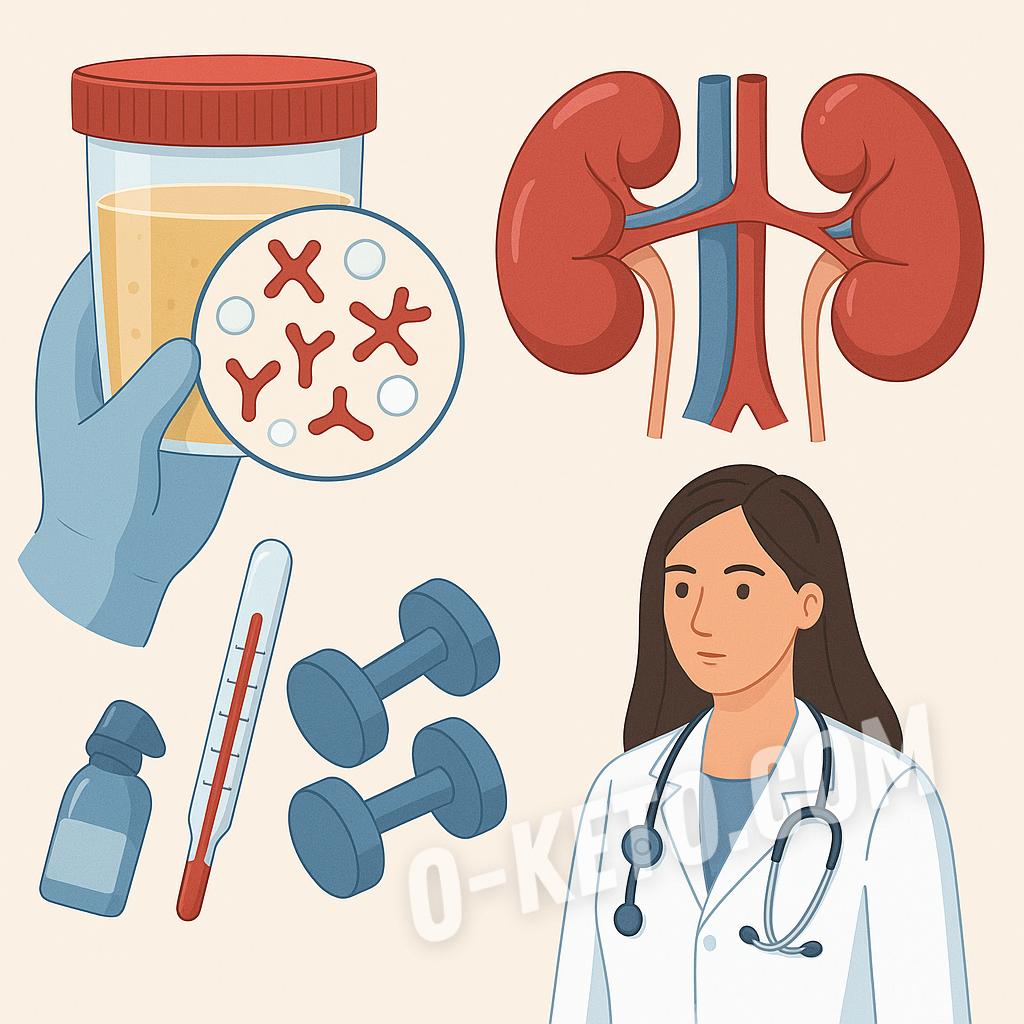
Proteinuria means protein is present in the urine in a quantity that suggests the kidneys are allowing more protein to pass than they normally should. Sometimes this is temporary and relatively benign, while in other situations it is an important signal of kidney injury, systemic inflammation, diabetes, hypertension or another disease affecting filtration. That is why protein in the urine should be treated neither as a triviality nor as a complete diagnosis by itself. What matters is not only the fact that protein is present, but also how much, how often, what other markers look like and what the clinical setting is.
Why protein appears in the urine
Normally the kidneys retain large protein molecules, so a clear increase in urinary protein suggests that the filtration barrier has become more permeable or that tubular handling is impaired. Causes may include kidney disease, diabetic nephropathy, hypertension, inflammatory processes, immune disease, infection, physical overload, fever and some transient functional states. Proteinuria is therefore not “one disease,” but a laboratory sign whose meaning changes with the situation.
The same result may mean something very different in a young person after heavy exercise than in a person with diabetes and high blood pressure.
When it may be temporary
Proteinuria can sometimes appear transiently after intense exercise, during fever, dehydration, strong physiological stress or other temporary influences. In that setting it may not indicate lasting kidney damage, but it still deserves repeat testing under calm conditions. This is why a single result without considering the testing context should not immediately be translated into chronic kidney disease. On the other hand, repeated proteinuria fits much less comfortably with the idea of a harmless accident.
In practical terms the recurring pattern matters more than one isolated report.
What should be reviewed alongside it
Proteinuria is best read together with creatinine, estimated GFR, general urinalysis, albuminuria, blood pressure, blood glucose, diabetes history, edema and family history of kidney disease. Sometimes it is especially important to distinguish total proteinuria from albuminuria or microalbuminuria because that changes the clinical meaning. If blood in the urine, casts, edema or reduced kidney function are also present, concern rises sharply. It is the neighboring data that help determine whether the finding is transient or a marker of structural renal disease.
An isolated glance at the word “protein” is almost always too crude for a correct judgment.
Why metabolic background matters
The kidneys are especially vulnerable in diabetes, hypertension, obesity, chronic inflammation and some autoimmune states. If insulin resistance, glucose dysregulation or high vascular pressure are already present, proteinuria becomes a more serious signal than in a fully metabolically healthy person with one post-exercise sample. In this sense diet, blood pressure, glucose and total vascular risk are tightly linked to how a urine result should be understood. Protein in the urine is part of a wider discussion about filtration integrity and renal risk.
That is why proteinuria matters not only to nephrology, but also to a broader view of vascular and metabolic health.
When closer evaluation is needed
Closer evaluation is needed with repeated proteinuria, coexistence of diabetes, hypertension, edema, creatinine changes, reduced GFR, blood in the urine or any sign of systemic disease. The most sensible way to think about proteinuria is as a laboratory marker of barrier injury or renal overload that always needs to be read together with repeatability, kidney function and the wider clinical picture.
Common mistakes when protein is found in urine
A common mistake is to panic over one report as if it already proves a renal catastrophe, or to dismiss it entirely as “probably from exercise.” Proteinuria becomes meaningful only through repeatability, neighboring markers and the wider vascular-metabolic context. That is what helps separate a transient episode from a sign of real renal risk.
If you have any questions about the term "Proteinuria", you can ask them to AI. Please note, a low-cost OpenAI model is used. It may answer questions about disease treatment with errors!


 1 / 4
1 / 4
 1 / 4
1 / 4


 1 / 4
1 / 4 1 / 4
1 / 4