
Homemade sauce seems like a small detail, but it is one of the easiest kitchen items to mishandle after cooking. A sauce can be prepared well and then ruined by slow cooling, a loose container, repeated reheating, or by freezing something that was never structurally suited for freezing in the first place. That means storage is not a trivial afterthought. It is part of the same culinary process as reduction, seasoning, and emulsifying.
The real shelf life of a sauce is determined by structure, not branding. Some sauces are built from emulsions and dislike even normal refrigeration. Others become easier to use after portion freezing. Some require very clean containers and fast cooling, while others are best made only for the immediate meal. Once you sort sauces by how they are built instead of how they are named, it becomes much easier to decide what can be held, what can be frozen, and what should simply be made fresh.
General rules for cooling and refrigeration
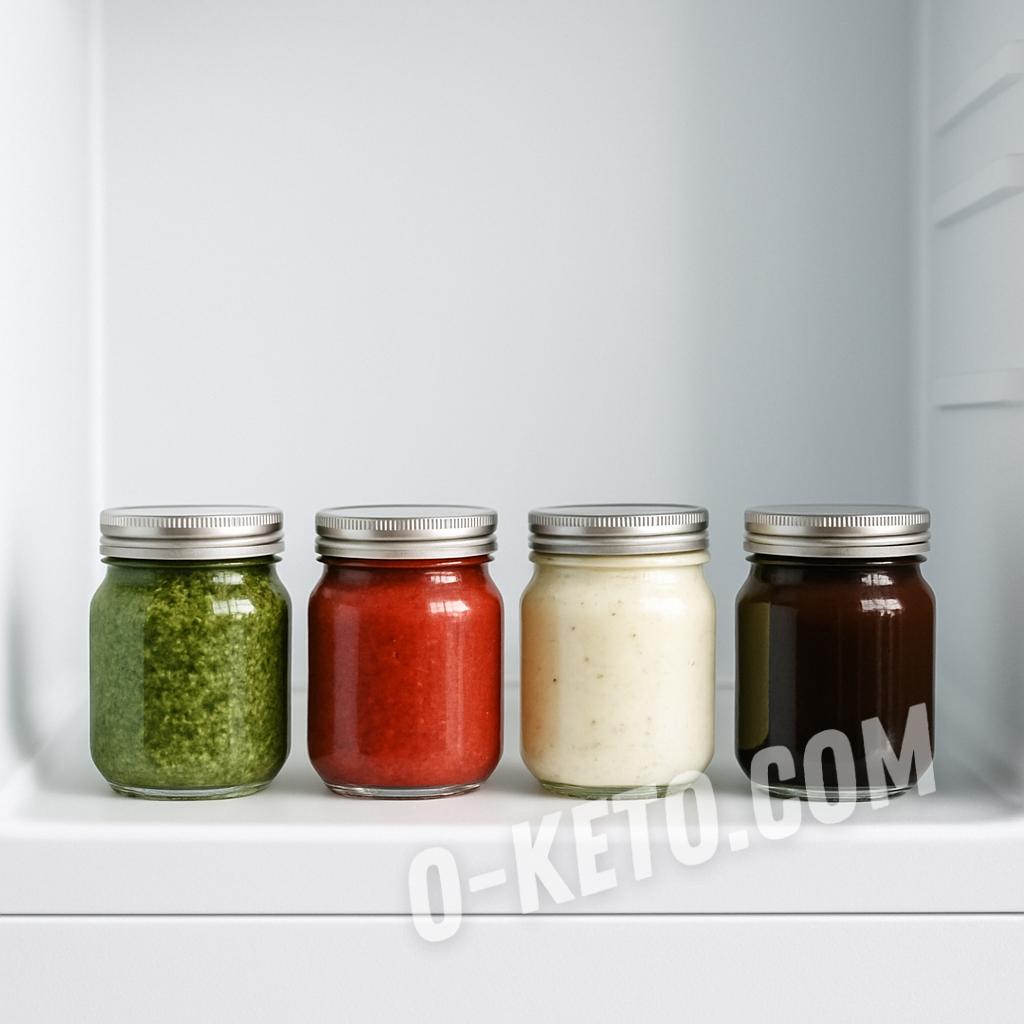
Almost every homemade sauce stores better in a tightly sealed container. Glass jars, food-safe plastic containers with reliable lids, and in some cases vacuum bags all work. The point is not only to prevent leaking. A closed container protects sauce from refrigerator odors, surface drying, and unnecessary contact with air. Once a sauce picks up outside smells, it is rarely pleasant again.
If the sauce was cooked, it should not sit warm on the counter for too long. It is safer to let the main steam escape, then cool it down more efficiently and move it into the refrigerator in a reasonable time. Large volumes cool better when divided into smaller containers. Some cooked sauces can technically be reboiled and chilled again, but that should not replace good storage discipline from the start.
Which sauces usually keep for several days
The refrigerator is most useful for sauces that have already been cooked, reduced, or built on a relatively stable structure. This includes many tomato sauces, some mushroom and meat sauces, pesto protected with a layer of oil, reduced stock bases, demi-glace, and some cooked fruit or berry sauces. These sauces are less fragile than fresh emulsions and usually tolerate gentle reheating better.
| type of sauce | typical refrigerator time | important condition |
| bechamel, mushroom, or cooked cream sauce | 2-3 days | sealed container and gentle reheating |
| homemade mayonnaise | 3-4 days | very clean handling and a sterile jar |
| yogurt or sour cream sauce | about 2 days | better in small batches |
| pesto | 5-7 days | cover the surface with oil |
| tomato sauce | up to 5 days | clean container matters a lot |
| demi-glace or reduced meat sauce | 7-10 days | or freeze in portions |
| cooked fruit or berry sauce | up to 10 days | store in a very clean jar |
Numbers like these only work when the original cooking, cooling, and container hygiene were good. A strange smell, unusual bubbling, separation that looks more like spoilage than normal texture change, or surface slime should matter more than the calendar. Storage time is a guide, not a license to ignore obvious signs.
Which sauces should not be kept long
Some sauces are simply poor candidates for leftovers. The clearest examples are hot butter emulsions such as hollandaise and bearnaise. Their whole point is fresh warm texture. Once chilled and reheated, they split easily and lose the smoothness that made them worth cooking. If one of these sauces is needed for service, it is usually smarter to calculate the portion rather than make extra on purpose.
Yogurt sauces, sour cream sauces, many raw emulsions, and some cream-and-yolk sauces also deserve caution. Homemade mayonnaise can be refrigerated, but only with clean technique and without pretending it behaves like a shelf-stable industrial version. Yogurt sauces often lose their fresh flavor quickly and may become watery after a short stay in the refrigerator.
What freezes well
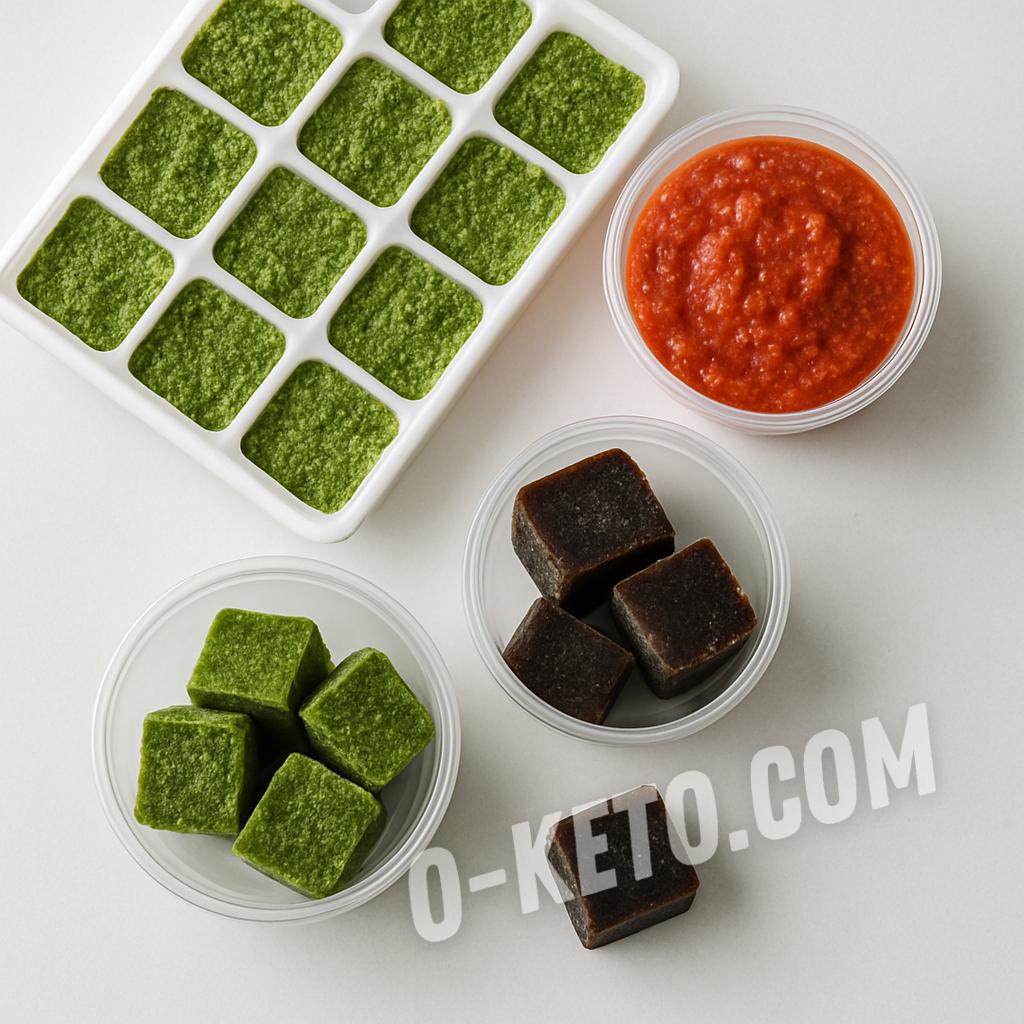
Freezing is very useful, but not universal. Pesto and many herb-heavy green sauces usually handle freezing well, provided they are not built around a fragile dairy emulsion. Tomato sauces and cooked fruit or berry sauces also freeze well in most home kitchens. White or brown stock, demi-glace, and sauces based on them are especially practical freezer items because they can be concentrated, portioned, and used later with very little waste.
Small containers, ice cube trays, dense freezer bags, and vacuum bags are all workable tools. Dating the portions is a good habit because several brown or green cubes can look surprisingly similar after a few weeks. A protective layer of oil on pesto or similar sauces helps reduce drying and freezer exposure.
What usually does not freeze well
Mayonnaise and its derivatives, many cold emulsified sauces, yogurt sauces, sour cream sauces, and many sauces with large amounts of cream or egg yolk usually freeze poorly. After thawing they may become grainy, watery, or fully separated. A blender can sometimes make them look slightly better again, but it rarely restores the original texture completely.
Raw sauces that never went through heat treatment are also poor freezer candidates unless they belong to a stable green-sauce style. In many cases, the freezer creates a second structural problem instead of offering real convenience.
How to thaw and reheat sauces correctly
The safest thawing method is to move the sauce from the freezer to the refrigerator and let it thaw there first. This is especially useful for dense stock reductions, cream sauces, and tomato sauces, where the edges can overheat and break before the center is even ready. If the sauce is meant to be served hot, thaw first and heat second.
For reheating, water baths, steam baths, or very low direct heat with constant stirring are usually the gentlest options. Microwaves are awkward for delicate sauces because the heat is uneven. One part may already be damaged while another is still cold. If a refrigerated or thawed sauce becomes too thick, a little water, milk, or stock can be added gradually to restore the intended consistency.
How to make sauces ahead more safely
The most practical strategy is not to preserve everything, but to preserve the sauces that naturally tolerate it. For regular home use, especially in a keto kitchen, the most useful make-ahead bases are usually sugar-free tomato sauces, pesto, portioned demi-glace, strong stock, and some cooked fruit or berry sauces. They are easy to freeze in cooking-size portions and easy to rebuild into a meal later.
If the plan is refrigerator storage rather than freezing, clean jars, dry spoons, and minimal repeated exposure to room air all matter. The fewer accidental contacts the sauce has, the more predictable the result stays. What works best is not a random collection of leftovers, but a deliberate set of stable bases chosen because they reheat well and support real meals later.
Conclusion
Homemade sauces store well only when the storage method matches their structure. Stable cooked sauces usually handle refrigeration much better than delicate emulsions, and some of them are excellent freezer candidates. Hollandaise-style butter emulsions, yogurt sauces, and other fragile cold or creamy sauces should be treated as short-life foods or made fresh for one meal. Pesto, green sauces, tomato sauces, stocks, demi-glace, and similar cooked bases are the most practical make-ahead options. Once storage follows the nature of the sauce instead of guesswork, both safety and flavor become much easier to manage.